The Centers for Disease Control and Prevention (CDC) reports that synthetic opioids, primarily Fentanyl, remain the leading cause of overdose deaths in the United States, with a staggering increase of over 56% between 2019 and 2020 alone. But a new, even more potent class of substances known as nitazenes has now entered the illicit drug supply, prompting an urgent public health warning. This novel drug threat, often described as 10 times more potent than Fentanyl, presents an unprecedented challenge to public safety and exacerbates our ongoing national overdose crisis.
You should care because these compounds are rapidly escalating the dangers associated with illicit drug use, making accidental overdose far more likely and complicating emergency response efforts for first responders. We are seeing a critical shift in the landscape of drug-related harm.
Key Takeaways
- A new class of synthetic opioids, nitazenes, is now prevalent and is up to 10 times more potent than Fentanyl.
- This urgent drug warning highlights increased overdose risks due to nitazenes often being mixed into other illicit drugs unknowingly.
- Public health crisis response requires enhanced surveillance, widespread naloxone availability, and better public awareness.
- First responders face significant challenges in identifying and treating nitazene overdoses, requiring rapid and sometimes multiple doses of naloxone.
- Prevention and treatment efforts must adapt to the extreme potency and evolving nature of the illicit drug supply in 2026.
The rise of nitazenes forces us to re-evaluate our strategies and consider the broader implications for public health. I believe we are at a pivotal moment where adaptability in our harm reduction approaches is not just beneficial, but absolutely essential.
Table of Contents
- What is This New Drug and Why Is it So Dangerous?
- The Alarming Rise of Nitazenes in the Current Public Health Crisis
- How Does This Potent Drug Impact the Body? Understanding Overdose Risks
- Beyond Fentanyl: Why These New Substances Are a Public Safety Nightmare
- What Common Misconceptions Surround These Ultra-Potent Opioids?
- Navigating the Crisis: Prevention, Awareness, and Treatment for Overdose
- Frequently Asked Questions About Nitazenes
What is This New Drug and Why Is it So Dangerous?
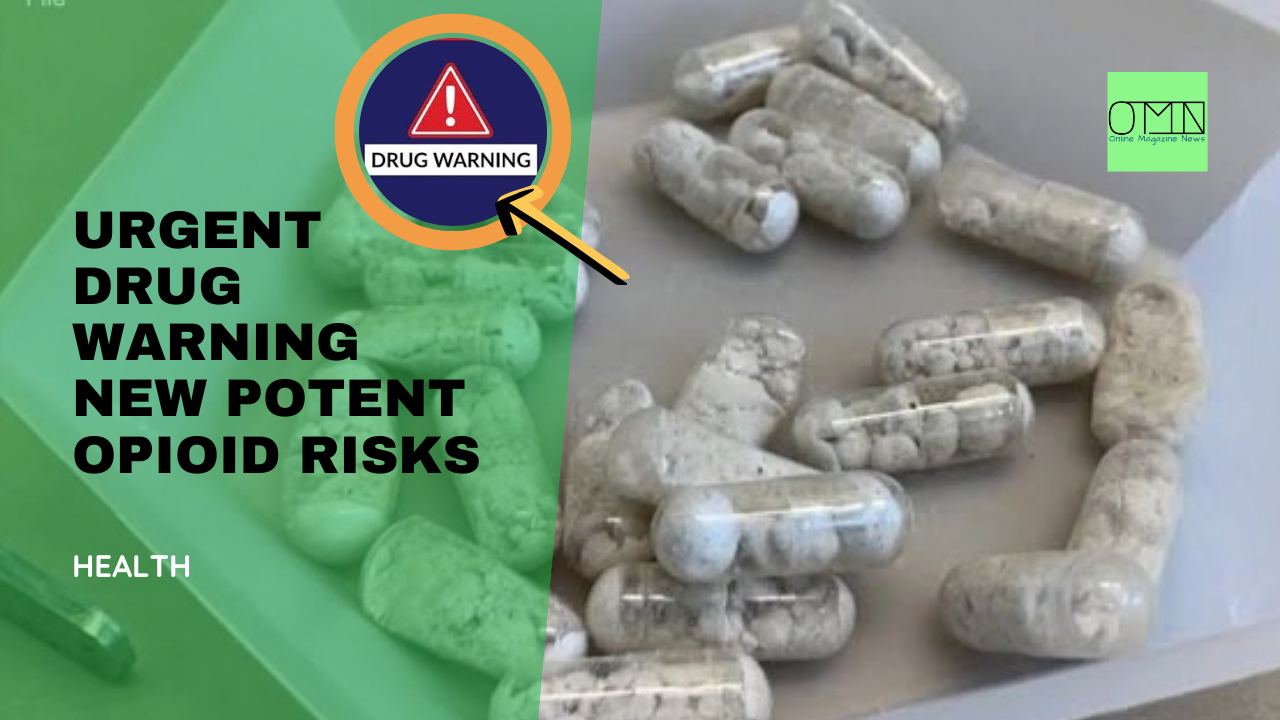
This new drug, a group of synthetic opioids collectively known as nitazenes, represents an exceptionally dangerous development in the ongoing opioid crisis. Originally synthesized in the 1950s as potential pain medications, these compounds were never approved for clinical use due to their extreme potency and high addiction potential. Now, they are resurfacing in the illicit drug market, frequently sold disguised as other substances like heroin, counterfeit pills, or even mixed with Fentanyl itself. This is particularly concerning.
According to KDVR News, the health warning specifically highlights that certain nitazene analogs can be up to ten times stronger than Fentanyl, which itself is already 50 to 100 times more potent than morphine. Imagine the minuscule amount required to cause a fatal overdose. This means even a grain-sized error in dosage for someone unknowingly consuming these substances can be deadly.
The danger is compounded by the fact that users are often unaware they are consuming nitazenes. They may believe they are taking a less potent drug, leading to accidental overdose at alarming rates. The lack of standardized appearance or odor means these compounds are virtually indistinguishable from other drugs to the naked eye. And that, I think, is where the real silent killer lies.
The Alarming Rise of Nitazenes in the Current Public Health Crisis
The emergence of nitazenes represents a sinister evolution in the public health crisis surrounding opioids. For years, Fentanyl has been at the forefront of this battle, driving unprecedented numbers of overdose deaths across the United States. Now, just as communities and health agencies began to understand and implement strategies to combat Fentanyl, nitazenes have introduced a new, more lethal variable. This isn’t just an incremental increase in danger; it’s an exponential leap.
Health officials, including those cited by KDVR, are struggling to keep up with the rapid appearance of these new synthetic opioids. These substances are manufactured illicitly, often in clandestine labs, and quickly distributed through complex networks. The sheer volume and speed with which these drugs can appear in different forms and mixtures make detection and intervention extremely difficult for law enforcement and medical professionals alike. This fluid situation creates immense challenges for public safety initiatives.
In 2026, we’re witnessing a drug supply that is more unpredictable and toxic than ever before. This environment demands that we consider a broad, multi-faceted approach to public health, one that goes beyond traditional enforcement. We need to be innovative, because the illicit drug market certainly is. It’s a reminder that global issues, whether it’s a health crisis or understanding the global water crisis, often require a level of adaptable, interconnected thinking.
How Does This Potent Drug Impact the Body? Understanding Overdose Risks
When someone ingests nitazenes, the impact on the central nervous system is rapid and severe. Like other opioids, nitazenes bind to opioid receptors in the brain, depressing respiratory function. However, their extreme potency means that this respiratory depression occurs much faster and more profoundly than with Fentanyl or heroin. The body can shut down in minutes, leading to a swift loss of consciousness and cessation of breathing.
The primary concern with any opioid overdose, and especially with nitazenes, is hypoxia — a lack of oxygen to the brain and other vital organs. Even if an individual is revived, prolonged periods of hypoxia can lead to severe and irreversible brain damage, impacting cognitive function, motor skills, and overall quality of life. The margin for error with nitazenes is virtually nonexistent, making every exposure a life-threatening event.
What many people overlook is that the high potency also means that standard doses of naloxone, the opioid overdose reversal medication, may not be enough. First responders are reporting cases where multiple doses of naloxone are required to revive an individual who has overdosed on nitazenes. This puts an immense strain on emergency services and highlights the need for broader access to higher quantities of naloxone, a critical component of our harm reduction strategy.
Beyond Fentanyl: Why These New Substances Are a Public Safety Nightmare
The introduction of nitazenes into the illicit drug supply creates a complex public safety nightmare that extends far beyond individual users. Think about our first responders — paramedics, police officers, and firefighters — who are often the first on the scene of an overdose. They face heightened risks of accidental exposure to these potent compounds, simply by handling drug paraphernalia or residue. Accidental skin contact or inhalation of airborne particles could have serious health consequences for them.
Moreover, the clandestine nature of nitazene production means there is no quality control whatsoever. Batches can vary wildly in concentration, leading to even greater unpredictability in their effects. This makes it incredibly difficult for individuals who use drugs to accurately gauge dosage, and for harm reduction organizations to provide precise guidance on safe practices. It’s a constant game of cat and mouse, where public safety agencies are always playing catch-up.
One trade-off we’re grappling with is the increased burden on forensic toxicology labs. Identifying nitazenes in overdose cases requires specialized testing, which isn’t always readily available or quick. This delay can hinder our understanding of the scope of the problem and slow down targeted interventions. While organizations like the FBI are focused on large-scale criminal investigations, such as the FBI investigation into services selling 153 million drivers licenses, the street-level drug landscape requires an equally robust, but different, investigative approach focusing on chemical identification and source tracing.
What Common Misconceptions Surround These Ultra-Potent Opioids?
One prevalent misconception is that nitazenes are just another form of Fentanyl. While they are both synthetic opioids and share similar effects, nitazenes belong to a distinct chemical class. Their different chemical structure means they might not be detected by standard Fentanyl test strips, adding another layer of risk for users attempting to test their drugs. This can lead to a false sense of security, tragically.
Another common belief is that overdose only happens to “hardcore” drug users. The truth is, due to the extreme potency and the common practice of cutting other drugs with nitazenes, even casual users or those who believe they are taking a different substance are at high risk. A single dose of a counterfeit pill laced with nitazenes can be fatal. It highlights the pervasive nature of this public safety threat.
Many also mistakenly believe that law enforcement can easily track down these drugs. However, the illicit nature of their production and distribution, coupled with their varied chemical structures, makes them incredibly difficult to trace. It’s not like dealing with a singular, well-defined drug. This complexity demands a nuanced approach that combines intelligence gathering with community outreach, rather than relying solely on traditional drug interdiction methods.
Navigating the Crisis: Prevention, Awareness, and Treatment for Overdose
Addressing the urgent public health warning over nitazenes requires a multi-pronged strategy focused on prevention, awareness, and accessible treatment. For individuals and communities, increased awareness about the presence and dangers of these ultra-potent opioids is paramount. This means openly discussing the risks, promoting harm reduction strategies, and ensuring everyone knows how to recognize and respond to an overdose.
Key actions include:
- Widespread Naloxone Access: Making naloxone (Narcan) readily available without a prescription is crucial. Given the extreme potency of nitazenes, multiple doses may be necessary, so having more on hand can literally be the difference between life and death.
- Drug Checking Services: While not foolproof, expanded access to drug checking services and more advanced test strips could help users identify the presence of dangerous substances, including some nitazenes, before consumption. Education on the limitations of these tools is equally important.
- Community Education Campaigns: Public health campaigns must inform the broader community, not just individuals who use drugs, about the risks. This helps destigmatize addiction and foster a more supportive environment for those seeking help.
- Accessible Treatment: Expanding access to evidence-based addiction treatment, including medication-assisted treatment (MAT), is vital. This is the long-term solution to breaking the cycle of addiction and overdose.
- Support for First Responders: Equipping emergency personnel with ample naloxone and providing training on safely handling suspected nitazene incidents is non-negotiable.
The fight against this new potent drug calls for vigilance from every quarter. We must push for policy changes that prioritize public health and safety, ensuring resources are allocated effectively to tackle this escalating crisis. This is a complex issue, much like the scrutiny facing organizations such as the DHS regarding surveillance of journalists and non-profits; it requires careful consideration of rights and public welfare.
We need to understand that this isn’t a problem that will simply go away. The illicit drug supply is dynamic, constantly evolving, and we must evolve our response with it. Staying informed and proactive is our best defense against the devastating impact of these new, highly dangerous substances.
Sources
- KDVR News — Urgent Public Health Warning Issued Over New Drug 10x More Potent Than Fentanyl
- Centers for Disease Control and Prevention (CDC) — Opioid Overdose
- World Health Organization (WHO) — Opioid overdose
Frequently Asked Questions About Nitazenes
What exactly are nitazenes?
Nitazenes are a class of synthetic opioids that were originally developed for pharmaceutical purposes but were never approved for medical use due to their extreme potency. They have recently emerged in the illicit drug supply, often sold as or mixed with other drugs like heroin or Fentanyl, dramatically increasing overdose risks.
How much more potent are nitazenes compared to Fentanyl?
Some nitazene analogs have been found to be up to 10 times more potent than Fentanyl, which itself is 50 to 100 times stronger than morphine. This extreme potency means that even tiny amounts can be lethal, making accidental overdoses much more common and severe.
Can naloxone reverse a nitazene overdose?
Yes, naloxone (Narcan) can reverse a nitazene overdose, but due to their extreme potency, multiple doses may be required. It is crucial to administer naloxone immediately and call for emergency medical help, as repeated administration might be necessary to restore breathing.
Are nitazenes detectable by standard drug tests or Fentanyl test strips?
Standard drug tests may not detect nitazenes, and many common Fentanyl test strips may not identify these specific compounds due to their different chemical structure. This makes it challenging for individuals to know if their drugs are contaminated, creating a false sense of security.
What should I do if I suspect someone is experiencing a nitazene overdose?
If you suspect a nitazene overdose, call 911 immediately. Administer naloxone if available, and perform rescue breaths if trained. Stay with the person until emergency medical services arrive, as they may need additional doses of naloxone and professional medical care.
How can communities combat the spread of nitazenes?
Combating nitazenes requires a multi-faceted approach: increasing public awareness, expanding access to naloxone, supporting drug checking services, and ensuring robust addiction treatment options. Community-led initiatives that reduce stigma and provide support are also vital.

TRENDING: Best Magnesium Supplements on Amazon for Sleep and Stress
Download the new game Guess The Celebrity Quiz and check how well you know your idols
Always be up to date with the news and follow the trends!
 Support our work by giving us a small donation