You know that feeling, right? You’re getting ready for your day, checking the weather, maybe even thinking about your morning coffee. Then, a quick glance in the mirror reminds you of that tiny sunspot you swear wasn’t there last week. Suddenly, the vague notion of “sun protection” becomes a sharp, undeniable truth: you really need to find the best SPF sunscreen.
Choosing the right SPF sunscreen is more than just grabbing any bottle off the shelf; it’s about understanding what your skin needs for effective daily protection against sun damage and premature aging, especially here in 2026 with new formulations hitting the market constantly. So, let’s cut through the noise and figure out exactly what works for you.
Before we dive deep, here are some key takeaways to keep in mind:
- Broad-Spectrum is Non-Negotiable: Always choose an SPF that protects against both UVA and UVB rays.
- SPF 30 is Your Baseline: While higher SPFs offer slightly more protection, SPF 30 is generally sufficient for daily use, blocking about 97% of UVB rays.
- Know Your Skin Type: Different formulations work better for oily, dry, sensitive, or darker skin tones.
- Consistency is Key: The best SPF is the one you’ll actually apply generously and reapply regularly.
Table of Contents
- What’s the Deal with SPF and Why Does It Matter?
- Mineral vs. Chemical Sunscreen: Understanding Your Options
- How to Choose the Right SPF Number and Broad-Spectrum Protection
- Beyond the Number: Finding the Best SPF for Your Skin Type
- Common SPF Myths Debunked in 2026
- My Top Picks: Best SPF Sunscreen Brands on Amazon
- Application Hacks: How to Actually Use Your SPF Effectively
What’s the Deal with SPF and Why Does It Matter?
SPF, or Sun Protection Factor, is your daily dose of defense against the sun’s harmful ultraviolet (UV) radiation. This isn’t just about preventing sunburn, which is caused primarily by UVB rays; it’s also about safeguarding your skin from UVA rays, which are responsible for premature aging, wrinkles, and contributing to skin cancer. A good SPF sunscreen is your best friend in maintaining healthy, youthful-looking skin.
The truth is, sunlight exposure is cumulative, meaning every unprotected minute adds up over time. According to the American Academy of Dermatology (AAD), daily application of broad-spectrum SPF is one of the most effective strategies to reduce the risk of skin cancer and photoaging. We’re talking about a product that truly prevents long-term damage.
Mineral vs. Chemical Sunscreen: Understanding Your Options
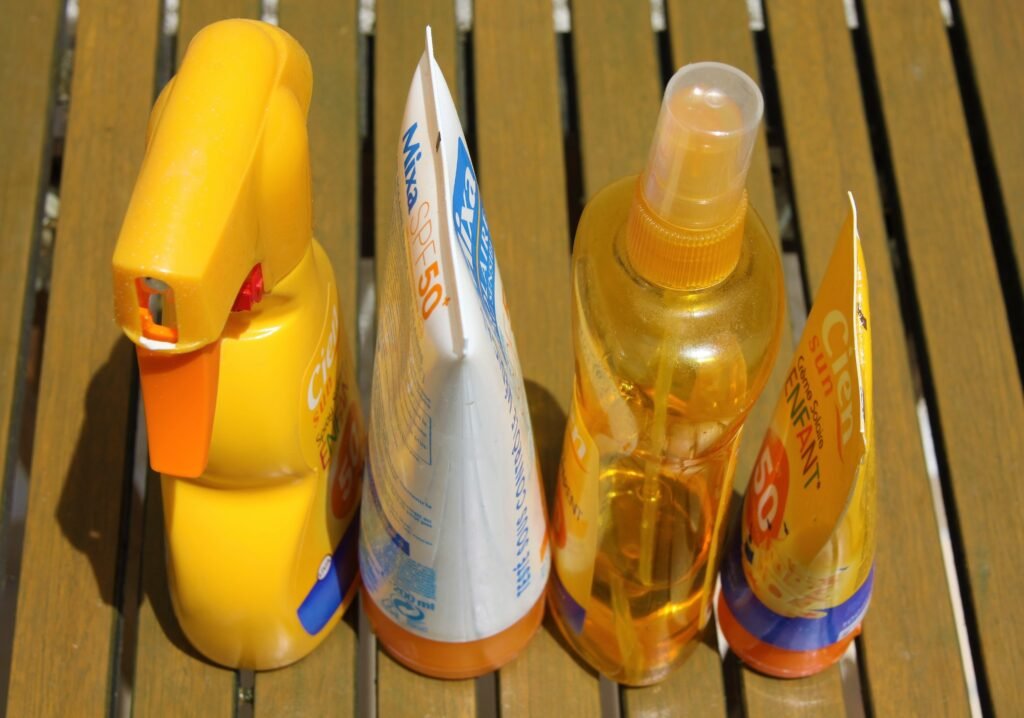
When you start shopping for spf sunscreen, you’ll quickly realize there are two main camps: mineral and chemical. Knowing the difference is key to choosing the right formula for your preferences and skin type.
What is Mineral Sunscreen?
Mineral sunscreens, often called physical blockers, create a physical barrier on the skin. They use active ingredients like zinc oxide and titanium dioxide to literally sit on top of your skin and deflect UV rays. Think of it like a tiny, reflective shield. These are generally considered gentler and are often recommended for sensitive skin, children, or anyone prone to irritation.
The downside? Sometimes, mineral formulas can leave a white cast, especially on darker skin tones, or feel a bit thicker. However, formulations have come a long way in 2026, with many brands offering micronized or tinted mineral options that blend in much better.
What is Chemical Sunscreen?
Chemical sunscreens, on the other hand, absorb UV rays as they hit your skin and convert them into heat, which is then released from the skin. Common active ingredients include oxybenzone, avobenzone, octinoxate, and octisalate. These formulas tend to be lighter, sheerer, and often absorb quickly without a noticeable residue, making them very popular for daily use under makeup.
While effective, some people with very sensitive skin might find certain chemical filters irritating. There have also been ongoing discussions about the environmental impact of some chemical filters, though regulatory bodies largely deem them safe for human use. For me, it’s about finding what your skin tolerates best without causing issues.
How to Choose the Right SPF Number and Broad-Spectrum Protection
The SPF number can be a bit misleading if you don’t understand how it works. Many people assume an SPF 50 offers twice the protection of an SPF 25. That’s actually not how it goes down. The numbers refer to the amount of time it would theoretically take for UVB rays to redden your skin with sunscreen applied, compared to how long it would take without any. In practice, it’s about blocking power.
Here’s the breakdown: SPF 15 blocks approximately 93% of UVB rays. SPF 30 blocks about 97%, and SPF 50 blocks around 98%. As you can see, the jump from 30 to 50 is minimal, about 1%. For most daily activities, an SPF 30 or SPF 50 broad-spectrum sunscreen is perfectly adequate. Anything higher offers only marginally more protection and can sometimes lead to a false sense of security, making people think they don’t need to reapply.
“Broad-spectrum” is the critical phrase you need to look for. This indicates that the sunscreen protects against both UVA (aging rays) and UVB (burning rays). A 2024 study published in the Journal of the American Academy of Dermatology found that daily use of broad-spectrum SPF 30 or higher significantly reduced the incidence of squamous cell carcinoma, a common form of skin cancer, in participants over a 10-year period. So, always go broad-spectrum.
Beyond the Number: Finding the Best SPF for Your Skin Type
Your skin type plays a huge role in finding a daily spf sunscreen you’ll actually love using. Because let’s be honest, if it feels greasy or causes breakouts, it’s going to sit in your cabinet. Here’s how to match your skin to the perfect formula:
For Oily or Acne-Prone Skin
Look for terms like “oil-free,” “non-comedogenic,” or “mattifying.” Lightweight fluid or gel formulations are ideal. You want something that won’t clog pores or add to shine. A popular choice among those with oily or acne-prone skin is the EltaMD UV Clear Broad-Spectrum SPF 46. It’s a mineral-based option with niacinamide to calm blemishes. It really does make a difference. You can find it on Amazon here: EltaMD UV Clear Broad-Spectrum SPF 46.
For Dry or Mature Skin
Hydration is your friend. Seek out sunscreens with moisturizing ingredients like hyaluronic acid, ceramides, or glycerin. Creamy lotions or hydrating serums work best. These formulations will not only protect but also nourish your skin, keeping it supple. I’ve seen great results with the La Roche-Posay Anthelios Melt-in Milk Sunscreen SPF 60; it feels luxurious without being heavy. Grab it on Amazon: La Roche-Posay Anthelios Melt-in Milk Sunscreen SPF 60.
For Sensitive Skin
This is where mineral sunscreens truly shine. Opt for formulas containing only zinc oxide and/or titanium dioxide. Avoid chemical filters, fragrances, and harsh preservatives. The goal here is minimal ingredients, maximum gentleness. The CeraVe Hydrating Mineral Sunscreen SPF 50 is a fantastic, affordable option that many dermatologists recommend for sensitive skin types, and it includes ceramides to restore your skin barrier. Check it out on Amazon: CeraVe Hydrating Mineral Sunscreen SPF 50.
For Darker Skin Tones
The biggest challenge here is often finding a sunscreen that doesn’t leave a noticeable white or purple cast. Many newer mineral formulations are much better, often micronized or tinted, but chemical sunscreens generally offer the most sheer finish. Supergoop! Unseen Sunscreen SPF 40 is a truly invisible, weightless gel that doubles as a makeup primer and works beautifully on all skin tones, including deeper complexions. It’s a favorite of many, including those who follow celebrity routines like Blake Lively’s Luminous Skin Routine for its seamless finish. Find it on Amazon: Supergoop! Unseen Sunscreen SPF 40.
Common SPF Myths Debunked in 2026
There are so many misconceptions floating around about sun protection. It’s time to set the record straight on a few of the most persistent ones, even as we move into 2026.
Myth: You Only Need SPF on Sunny Days or Outdoors
This is probably the biggest myth of all, and honestly, the most dangerous. UV rays, especially UVA rays, can penetrate clouds and windows. Yes, even if you’re sitting inside by a window all day, you’re getting exposure. The Skin Cancer Foundation, in their 2023 guidelines on sunscreen use, clearly states that year-round, daily sunscreen application is vital, regardless of weather or location. So, slather it on, rain or shine, indoors or out.
Myth: Higher SPF Means You Can Skip Reapplication
Not even close. While SPF 50 offers slightly more protection than SPF 30, it doesn’t mean you can apply it once and forget about it all day. All sunscreens, regardless of their SPF number, start to break down and lose effectiveness after about two hours of sun exposure. Sweating, swimming, or even just towel-drying can reduce its staying power further. Reapplication is crucial, period.
Myth: Makeup with SPF is Enough Sun Protection
While a foundation or BB cream with SPF sounds convenient, it’s rarely enough. To get the stated SPF on the label, you’d need to apply a ridiculously thick layer of makeup, far more than anyone usually wears. Most people apply just a fraction of the recommended amount. Consider makeup with SPF as a bonus, but always layer a dedicated spf sunscreen underneath for true protection. Celebrities like Selena Gomez, who shares her Radiant Skin Routine, often emphasize dedicated sun protection rather than relying solely on SPF in makeup.
My Top Picks: Best SPF Sunscreen Brands on Amazon
Finding that holy grail spf sunscreen can feel like a quest, but after years of trying countless formulations, I’ve landed on a few consistent winners that truly deliver. These are the ones I recommend to friends, family, and anyone who asks, because they check all the boxes for broad-spectrum protection, comfortable wear, and great skin benefits. I’ve tried countless formulations over the years, and while my daily go-to might change with the seasons, these few have consistently impressed me for their wearability and effectiveness.
EltaMD UV Clear Broad-Spectrum SPF 46
This is consistently a top dermatologist recommendation for a reason. It’s a mineral-based formula that’s specifically designed for sensitive and acne-prone skin, thanks to ingredients like niacinamide. It’s lightweight, oil-free, and won’t clog pores. I find it leaves a silky-smooth finish without any white cast. It’s just excellent. Find it here: EltaMD UV Clear Broad-Spectrum SPF 46.
Supergoop! Unseen Sunscreen SPF 40
If you hate the feeling of sunscreen, this is your answer. It’s a completely invisible, weightless, scentless gel that disappears into every skin tone. It doubles beautifully as a makeup primer, creating a smooth canvas. Plus, it’s packed with antioxidants. A little goes a long way, and you truly won’t even know it’s there. It’s worth the upgrade. Shop it on Amazon: Supergoop! Unseen Sunscreen SPF 40.
Neutrogena Ultra Sheer Dry-Touch Sunscreen SPF 55
For an affordable, readily available option that still performs, Neutrogena’s Ultra Sheer line is hard to beat. This chemical sunscreen is lightweight, absorbs quickly, and provides powerful broad-spectrum protection without feeling greasy. It’s a classic for a reason and perfect for body application too. It just works. Check current prices on Amazon: Neutrogena Ultra Sheer Dry-Touch Sunscreen SPF 55.
Isdin Eryfotona Actinica Ultralight Emulsion SPF 50+
Okay, this one is a bit of a splurge, but if you’re serious about anti-aging and repairing existing sun damage, it’s a . This mineral sunscreen contains DNA Repairsomes®, which are enzymes shown to help repair damage from previous sun exposure. It’s incredibly lightweight and sinks in beautifully. If you’re investing in serious skincare, this spf sunscreen belongs in your routine. Find it on Amazon: Isdin Eryfotona Actinica Ultralight Emulsion SPF 50+.
Application Hacks: How to Actually Use Your SPF Effectively
You can buy the best spf sunscreen on the market, but if you’re not applying it correctly, you’re essentially wasting your money and leaving your skin vulnerable. Here are some no-fail tips for truly effective sun protection:
- The Two-Finger Rule: For your face and neck, squeeze out a line of sunscreen onto your index and middle fingers. That’s roughly the amount you need. For your body, think about a shot glass full. Most people apply far too little.
- Apply as the Last Step: SPF should always be the last step in your morning skincare routine, right before makeup application. Give it about 15-20 minutes to fully absorb and form its protective barrier before you step outside.
- Don’t Forget the Often-Missed Spots: Your ears, the back of your neck, your hands, and even your hairline are common areas that get skipped. These spots are just as susceptible to sun damage.
- Reapply, Reapply, Reapply: This is arguably the most crucial step. Reapply every two hours, or immediately after swimming or excessive sweating. Keep a travel-sized spf sunscreen in your bag for easy touch-ups throughout the day.
Choosing the best SPF sunscreen is a personalized journey, but armed with this knowledge, you’re now ready to make an informed decision for your skin’s health and longevity. It’s not just another step in your daily routine; it’s an investment in your future skin. So go ahead, explore those Amazon links, and find the perfect sun protection that makes you feel confident and cared for every single day.
Sources
- American Academy of Dermatology (AAD), Sun Protection Guidelines
- The Skin Cancer Foundation, Sunscreen Usage Guidelines
FAQ
Can I use an expired SPF?
No, absolutely not. Sunscreens are formulated to be stable and effective for a certain period, usually 2-3 years. Once expired, the active ingredients can degrade, making the product less effective at protecting your skin. Always check the expiration date and replace old bottles.
Do I need SPF indoors?
Yes, you do! UVA rays, which contribute to aging and skin cancer, can penetrate windows. If you spend significant time near windows in your home or office, daily indoor SPF application is a smart move for continuous protection.
What’s the difference between water resistant and waterproof SPF?
As of 2026, the term “waterproof” is no longer allowed on sunscreen labels by the FDA because no sunscreen is truly waterproof. Instead, look for “water resistant.” This indicates the SPF maintains its effectiveness for either 40 or 80 minutes in water, with the specific duration always noted on the label.
How much SPF do I need for my body?
For your entire body, dermatologists recommend about one ounce of sunscreen, which is roughly the amount that would fill a shot glass. For your face alone, the “two-finger rule” (a line of sunscreen on your index and middle fingers) is a good visual guide.
Can SPF cause breakouts?
Yes, some sunscreens can cause breakouts, especially if you have acne-prone skin. Look for formulations labeled “non-comedogenic” (meaning it won’t clog pores) and “oil-free.” Mineral sunscreens with zinc oxide can also be a good option for sensitive or acne-prone skin, as they tend to be less irritating.
Is SPF necessary on cloudy days?
Absolutely. Up to 80% of the sun’s UV rays can pass through clouds. This means even on overcast days, your skin is still vulnerable to sun damage and the risk of sunburn, aging, and skin cancer. Consistent daily use of SPF is essential, regardless of the weather forecast.

TRENDING: A plus-size blogger copies celebrity stylings to show that anyone can wear anything
Download the new game Guess The Celebrity Quiz and check how well you know your idols
Always be up to date with the news and follow the trends!
👉🏻 Support our work by giving us a small donation