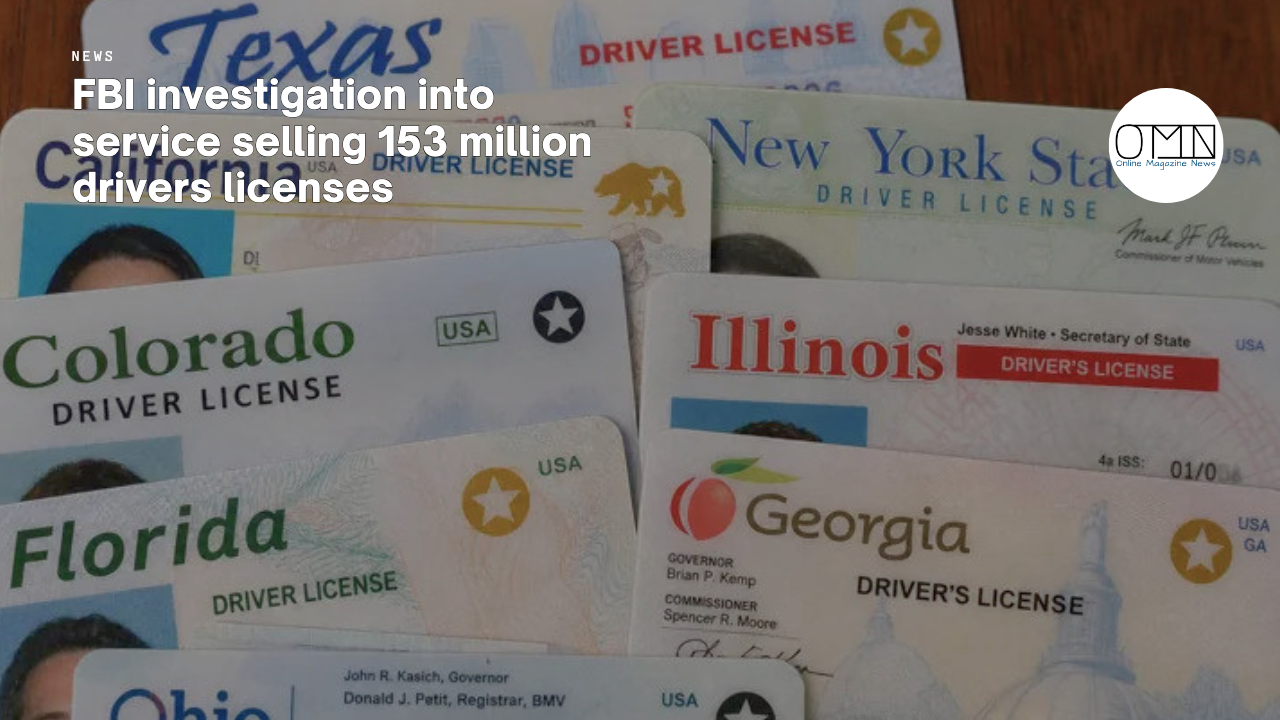
Could your most sensitive identification details be sitting in a digital shopping cart right now? The FBI investigation into a massive underground service selling over 153 million drivers licenses suggests that for a significant portion of the American population, the answer is a sobering yes.
Key Takeaways
- An FBI investigation has targeted a major underground database offering access to over 153 million U.S. drivers licenses.
- The service allowed users to search for specific individuals and purchase their full DMV records for a small fee.
- Data includes full names, dates of birth, home addresses, and license numbers, posing a massive identity theft risk.
- Security experts from KrebsonSecurity highlighted that the data likely originated from compromised third-party state contractors.
- Protecting your personal data in 2026 requires active monitoring of credit reports and public record alerts.
The scale of modern data breaches has become so large that it is easy to grow numb to the numbers. However, the latest FBI investigation into a criminal service selling the records of 153 million drivers marks a shift from general “account leaks” to the commodification of official government-issued identity. This is not just a list of emails and passwords; it is a comprehensive map of the driving public’s identity, verified by state records and ready for misuse.
As KrebsonSecurity first reported, federal authorities are now untangling a web of illicit data brokers who have successfully scraped or stolen nearly half of the country’s active driving records. While we have recently discussed how the DHS is under scrutiny for its own methods of data collection, this criminal enterprise represents a different kind of threat: one where your private DMV file is available to the highest bidder on the dark web.
How the Drivers License Selling Service Works
What is a drivers license search service and why is it illegal? A drivers license search service in the criminal underground is a searchable database that allows unauthorized users to input a name or address and receive a full, verified DMV record in return. Unlike legitimate background check companies that must follow the Driver’s Privacy Protection Act (DPPA), these illicit services bypass all legal hurdles, selling personal data such as license numbers, issue dates, and home addresses for prices often ranging from $2 to $15 per record.
These platforms often mimic the user interfaces of professional investigation tools. A user simply logs in, deposits cryptocurrency, and starts searching. The fact that this particular service boasted over 153 million records suggests a level of organization and technical sophistication that far exceeds a simple one-off hack. The FBI investigation is reportedly focusing on how these criminals maintained “freshness” in their data, ensuring that address changes and new license renewals were reflected in their stolen inventory.
In practice, these services are the “engine room” for more complex crimes. If a fraudster wants to open a bank account in your name, they need your license number and current address. Having 153 million options at their fingertips makes it trivial to find a target that matches a specific age, gender, or geographic profile. It is a digital supermarket for identity thieves.
Where Did 153 Million Drivers Licenses Come From?
One of the most pressing questions in the wake of the KrebsonSecurity report is the origin of the data. It is highly unlikely that a single hacker breached every individual state DMV office. Instead, experts point toward the “supply chain” of government data. State governments frequently share DMV records with third-party vendors for purposes ranging from insurance underwriting to marketing and vehicle safety recalls.
If a large-scale data aggregator or a specialized marketing firm with access to these records suffers a cyber security failure, the resulting leak can span multiple states and decades of records. We have seen similar vulnerabilities in the past, such as the Meta legal battles regarding data privacy, which highlight how once data is collected, it becomes a permanent target for exploitation.
Think about it this way: every time you renew your insurance or buy a car, your DMV data moves through a dozen different private systems. The FBI investigation is currently tracing the digital breadcrumbs to see which of these intermediaries may have left the door unlocked. The truth is, your data is often only as secure as the least-protected contractor in the government’s vendor list.
The Scope of the FBI Investigation in 2026
As of late 2026, the FBI investigation into this specific data broker has expanded across international borders. According to federal court filings and reports from KrebsonSecurity, the service was part of a larger network of “leaked data” repositories. Law enforcement is not just looking for the people who sold the data, but also the “initial access brokers” who stole it in the first place.
Federal agents are reportedly using blockchain analysis to track the cryptocurrency payments made to the service. While many criminals believe Bitcoin or Monero provides total anonymity, the FBI has become increasingly adept at deanonymizing these transactions when they hit major exchanges. The goal is to dismantle the infrastructure that allows 153 million drivers licenses to be traded like baseball cards.
But here is the counterintuitive take: shutting down one site often leads to a “hydra effect.” When the FBI seizes a domain, the operators frequently move to a new server within hours. The real success of this FBI investigation will not be measured by a seized website, but by whether they can identify and patch the specific leak in the DMV data pipeline that allowed this volume of personal data to escape.
Identity Theft and Cyber Security Risks
The risks associated with this data breach are long-term and multifaceted. Unlike a credit card that you can cancel and replace, your drivers license number often stays with you for life. If that number is compromised, it can be used for “synthetic identity theft,” where criminals combine your real information with fake details to create a completely new persona that can pass credit checks.
The types of fraud possible with 153 million drivers licenses include:
- Opening fraudulent lines of credit and bank accounts.
- Filing for state or federal benefits in your name.
- Evading law enforcement by using your identity during traffic stops.
- Bypassing two-factor authentication on accounts that use ID verification.
We recently covered the case of a US citizen facing charges after a phone wipe at an airport, which underscores how sensitive our digital identities have become. When 153 million records are available, the probability that your specific data is being used for a “low-level” fraud increases exponentially. It isn’t just about the big heists; it is about the thousands of small, daily identity thefts that go unnoticed for months.
How to Protect Your Personal Data Today
If your data is part of a 153 million record leak, what can you actually do? You cannot realistically change your license number in most states unless you can prove active fraud. However, you can make your identity much harder to use. The most effective step any driver can take in 2026 is to place a “security freeze” on their credit reports at all three major bureaus: Equifax, Experian, and TransUnion.
A credit freeze prevents anyone from opening new accounts in your name, even if they have your full personal data. Furthermore, you should sign up for “identity monitoring” services that specifically alert you when your drivers licenses appear in public record searches or on the dark web. While these services won’t stop the leak, they give you the lead time necessary to contact authorities before damage is done.
Painful. That is the only way to describe the realization that our state-mandated IDs are being sold for the price of a cup of coffee. But being proactive is the only defense. We recommend checking your state’s DMV website for “fraud alerts” and ensuring your email is monitored via services like “Have I Been Pwned” to see if your data was part of this or other related breaches.
The FBI investigation is a critical step in holding these criminals accountable, but it is a reactive measure. True cyber security starts with the individual. Treat your license number with the same secrecy you would your social security number, and always assume that if a service has collected your data, it is a potential target for the next major breach.
Sources
- KrebsonSecurity, FBI Probes Service Selling 153M Drivers Licenses
- Federal Bureau of Investigation, Official Website and Cyber Crime Division
Frequently Asked Questions
How do I know if my drivers license was sold?
There is currently no official public tool from the FBI to check if your specific license was among the 153 million sold. However, you can monitor your credit report for unauthorized inquiries and use dark web monitoring services that scan for your license number or home address in known leaked databases.
Can I change my drivers license number after a data breach?
In most states, the DMV will only issue a new license number if you can provide evidence of ongoing identity theft or fraud. Simply being part of a data breach is usually not sufficient grounds for a number change, though policies vary by state.
Is this the largest drivers license breach ever?
At 153 million records, this is one of the most comprehensive and centralized collections of driving data ever discovered by law enforcement. While other breaches have contained more total records, the specificity and “official” nature of this DMV data make it uniquely dangerous for identity theft.
What is the FBI doing to stop these services?
The FBI uses a combination of undercover operations, blockchain analysis, and international cooperation to seize servers and arrest operators. In this 2026 case, the investigation is also focused on the private companies that may have inadvertently leaked the data to these criminals.
Are my digital license records safer than physical ones?
Digital records allow for easier government processing but create “single points of failure” where millions of records can be stolen at once. While physical theft of a wallet is a risk, digital breaches like the one investigated by the FBI allow criminals to steal information on a scale that was impossible twenty years ago.

TRENDING: Understanding the Global Water Crisis
Download the new game Guess The Celebrity Quiz and check how well you know your idols
Always be up to date with the news and follow the trends!
👉🏻 Support our work by giving us a small donation