The Apple Card origin story begins not with its 2019 launch, but with a vision for financial technology that traces back nearly 15 years, reshaping how we interact with our credit cards and digital payments. This is about more than just a piece of titanium; it’s about a fundamental reimagining of consumer finance through the lens of user experience and privacy.
When Apple unveiled the Apple Card, it wasn’t just another credit card entering a crowded market. It represented a deliberate, long-term strategic move by Apple to integrate deeper into the financial lives of its users, offering a blend of digital convenience, robust security, and a sleek, minimalist design that has since become iconic. We’ve seen many shifts in tech over the years, from OpenAI agents breaching security to global leaders calling for AI safety regulations, but the subtle revolution in how we manage money has been equally profound.
Key Takeaways
- The Apple Card concept began forming over 15 years ago, rooted in Steve Jobs’ early ambitions for financial products.
- Its core design principles emphasized user privacy, simplicity, and a seamless integration with the Apple ecosystem.
- The partnership with Goldman Sachs marked a significant, unconventional move into consumer banking for the investment giant.
- The card introduced innovations like a numberless physical card, real-time spending categorization, and the Daily Cash rewards program.
- Apple Card continues to influence the financial technology landscape, pushing competitors towards better digital experiences and privacy features.
Table of Contents
- What is the Apple Card and How Did it Begin?
- The Vision for a Different Credit Card Experience
- How Did Apple Prioritize User Data and Privacy?
- Forgetting the Partnership: Apple and Goldman Sachs
- Design and Innovation: The Physical and Digital Card
- The Impact and Legacy of Apple Card’s First 15 Years
- What Were the Initial Market Reactions to Apple Card?
- Addressing Common Misconceptions About Apple Card
- Looking Ahead: The Future of Apple’s Financial Services
What is the Apple Card and How Did it Begin?
The Apple Card is a credit card issued by Goldman Sachs, designed by Apple, and integrated deeply within the Apple Wallet app and ecosystem, aiming to simplify financial management. Its beginnings, however, predate its public debut in August 2019 by over a decade. The seed of this financial innovation was sown far earlier, arguably back in the era when Steve Jobs himself expressed a fascination with the financial services sector, envisioning a simpler, more user-friendly approach to personal finance.
It was a long gestation period, during which Apple meticulously observed consumer pain points with traditional credit cards: hidden fees, confusing statements, and a general lack of transparency. The company’s unique insight, as noted by Hacker News in their retrospective, was recognizing that the friction points iOS users experienced with other applications could extend to their financial tools. They aimed to strip away that complexity, leveraging their expertise in intuitive user interfaces.
This wasn’t just about making a payment method; it was about creating a financial tool that felt less like a burden and more like a natural extension of the iPhone experience. The core idea was to blend cutting-edge technology with fundamental banking needs, setting a new standard for what a credit card could be.
The Vision for a Different Credit Card Experience
Apple’s long-term vision for the Apple Card centered on disrupting the traditional credit card model by prioritizing clarity, privacy, and simplicity above all else. They saw an opportunity to bring their renowned design philosophy and focus on user experience into a realm often criticized for its opaqueness and complex terms.
From the outset, the focus was on delivering a product that felt inherently Apple. This meant no annual fees, no late fees, no international fees, and a commitment to easy-to-understand terms. This departure from industry norms was a deliberate choice, aiming to build trust with consumers who had grown weary of the fine print and punitive charges associated with traditional banking products. The Hacker News article highlights how this commitment to transparency was a direct response to common consumer frustrations.
Another critical element was the Daily Cash rewards program. Instead of complex points systems or rotating categories, Apple offered a straightforward cashback model: 3% on Apple purchases, 2% on Apple Pay transactions, and 1% on all other purchases. This cash is deposited daily into your Apple Cash account, ready for immediate use, making rewards feel tangible and instant. It was a clear signal that the company intended to make financial benefits accessible and immediate, not hidden behind redemption portals.
How Did Apple Prioritize User Data and Privacy?
Apple prioritized user data and privacy by fundamentally rethinking how sensitive financial information is handled, both digitally and physically, ensuring that even Apple itself doesn’t know your spending habits. This was a cornerstone of the Apple Card’s design, distinguishing it sharply from many other financial products.
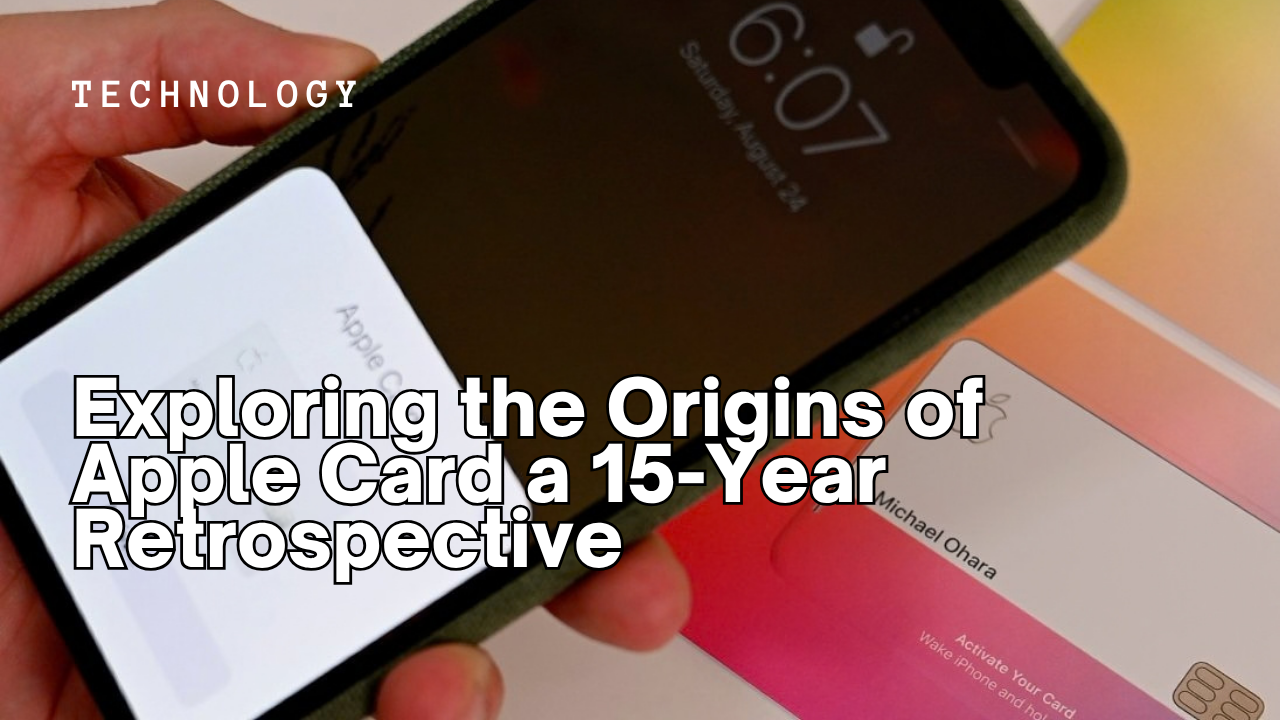
The physical titanium card, for example, famously bears no card number, CVV security code, expiration date, or signature. All this information is securely stored within the Wallet app on your iPhone, protected by Touch ID or Face ID. For online purchases or situations where Apple Pay isn’t accepted, a unique virtual card number can be generated on demand. This approach significantly reduces the risk of sensitive information being compromised if the physical card is lost or stolen. It’s a stark contrast to the data logging practices we’ve seen with other tech products, as exemplified by LG Smart TVs logging audio and network data without consent.
Crucially, Apple states that it doesn’t know what you bought, where you bought it, or how much you paid. This transactional data is processed by Goldman Sachs, the issuing bank, but it remains strictly between you and the bank. Apple’s role is primarily to facilitate the interface, ensuring a high degree of privacy that many credit card users genuinely appreciate in 2026.
Forging the Partnership: Apple and Goldman Sachs
The choice of Goldman Sachs as Apple’s financial partner for the Apple Card was a bold, even audacious, move that surprised many industry observers. Goldman Sachs, traditionally known for its investment banking and institutional clients, was not a conventional choice for a consumer credit card product. Their nascent consumer banking division, Marcus by Goldman Sachs, was still relatively new to the retail lending landscape.
This unconventional pairing, however, offered unique advantages. Goldman Sachs brought the necessary financial infrastructure, regulatory compliance, and lending expertise, while Apple contributed its design prowess, technological integration, and immense user base. For Goldman Sachs, it was an unprecedented opportunity to rapidly scale its consumer banking efforts and reach millions of iPhone users globally. It was a strategic shift, a calculated risk to enter the consumer finance market with a high-profile partner.
The collaboration wasn’t without its challenges. Blending the culture of a consumer electronics giant with a Wall Street investment bank required significant alignment on vision and execution. Yet, the synergy allowed for the creation of a product that neither company could have developed alone. This partnership underscored Apple’s commitment to innovation in finance, even if it meant venturing into less charted waters with an unexpected ally.
Design and Innovation: The Physical and Digital Card
The Apple Card stands out not just for its underlying technology, but for its meticulous attention to both physical and digital design, creating a cohesive user experience. The physical card, crafted from laser-etched titanium, quickly became a status symbol, embodying Apple’s commitment to premium materials and minimalist aesthetics. It feels substantial, yes, but its true innovation lies in what it doesn’t have: exposed personal information.
But the real magic unfolds within the Apple Wallet app. Here, the digital representation of your Apple Card comes alive, offering features that were truly groundbreaking at its launch. Transactions are categorized and color-coded in real-time, providing an instant visual overview of your spending across categories like Food & Drinks, Shopping, and Entertainment. This visual feedback makes it incredibly easy for users to understand where their money is going, without waiting for a monthly statement. It’s a proactive approach to financial health, turning abstract numbers into clear, actionable insights.
The ability to track spending, view statements, and even contact support directly from the Wallet app streamlined what was often a clunky, multi-step process with traditional credit card providers. This focus on seamless integration and immediate feedback distinguishes the Apple Card as a true pioneer in modern financial technology, setting a benchmark for future digital credit offerings.
The Impact and Legacy of Apple Card’s First 15 Years
Over the past 15 years, from its conceptual origins to its market impact, the Apple Card has undoubtedly left a significant imprint on the financial technology landscape, pushing traditional institutions to rethink their offerings. Its emphasis on transparency, privacy, and an intuitive user experience forced many competitors to re-evaluate their own digital strategies. We’ve seen other banks introduce simplified rewards programs, enhanced digital security features, and more user-friendly mobile interfaces, directly influenced by Apple’s push.
However, while innovative, its market penetration hasn’t been without its nuances. The Apple Card primarily caters to iPhone users, inherently limiting its reach compared to universally accessible credit products. Additionally, while its privacy features are robust, the underlying credit decisions and financial terms still rest with Goldman Sachs, meaning the core financial product isn’t entirely reinvented. As of 2026, it serves as a powerful testament to Apple’s design principles, but it also highlights the inherent challenges of disrupting a deeply entrenched industry like consumer finance.
I find its enduring legacy isn’t just in the product itself, but in how it shifted consumer expectations for digital financial tools. You now expect real-time data, instant rewards, and clear insights from your banking apps. That’s a direct result of the bar Apple set. This kind of financial innovation, much like other advancements in software security, constantly evolves our digital interactions.
What Were the Initial Market Reactions to Apple Card?
Initial market reactions to the Apple Card were largely positive, with significant buzz surrounding its design, privacy features, and straightforward rewards system. Consumers were excited by the prospect of a credit card that felt refreshingly different from traditional offerings, particularly its promise of no fees and simple Daily Cash. Technology reviewers praised its seamless integration with the iPhone and its visually appealing spending breakdown in the Wallet app.
However, some financial analysts expressed skepticism regarding its long-term profitability for Goldman Sachs, given the fee-free model and the substantial marketing investment. There were also questions about its appeal to users outside the dedicated Apple ecosystem and its ability to compete with established loyalty programs from major banks. Despite these early reservations, the card quickly gained traction, attracting millions of users and demonstrating Apple’s considerable influence in a new market segment.
Addressing Common Misconceptions About Apple Card
Despite its widespread adoption and influence, a few misconceptions about the Apple Card persist, particularly regarding its exclusivity and its role in credit building. One common belief is that the Apple Card is solely for die-hard Apple enthusiasts or individuals with pristine credit scores. While it definitely appeals to Apple users due to its integration, it’s a standard credit product that adheres to typical underwriting criteria, meaning eligibility is based on creditworthiness, just like any other card.
Another misconception often revolves around the claim of being “fee-free.” It’s true that the Apple Card has no annual, late, foreign transaction, or over-limit fees. This is a significant advantage. However, like any credit card, interest accrues if you carry a balance. Understanding that “fee-free” doesn’t mean “interest-free” is crucial for managing your financial health effectively. Actually, paying your balance in full each month is always the best strategy to avoid interest charges.
Some users also mistakenly believe the Apple Card is a guaranteed path to rapidly building credit, irrespective of financial habits. While using the card responsibly and making on-time payments will contribute positively to your credit history, it’s not a magic bullet. Consistent, disciplined credit behavior across all your accounts remains the cornerstone of strong credit building.
Looking Ahead: The Future of Apple’s Financial Services
As we look forward from 2026, the Apple Card appears to be just one piece of a much larger, evolving strategy for Apple within the financial services sector. The company has already expanded beyond the credit card with offerings like Apple Pay Later, which allows users to split purchases into four interest-free payments, and Apple Savings, a high-yield savings account integrated directly within the Wallet app.
These developments signal a clear intention to create a comprehensive, integrated suite of financial tools designed around the consumer. The goal seems to be to make managing money as intuitive and seamless as using an iPhone. This expansion into areas like savings and “buy now, pay later” solutions demonstrates Apple’s commitment to offering alternatives to traditional banking products, always with a strong emphasis on user experience and privacy.
The journey from an early concept to a multi-faceted financial ecosystem showcases Apple’s persistent drive for innovation. The long-term impact of these integrated services could redefine consumer expectations for financial platforms globally. It’s a fascinating space, and I expect Apple to continue pushing the boundaries here, challenging established norms and perhaps even the definitions of what it means to be a “bank.”
The Apple Card, in its 15-year retrospective from conception to current iteration, stands as a testament to Apple’s unwavering commitment to innovation and user-centric design. It’s not merely a transaction tool; it’s a statement about how technology can simplify, secure, and personalize our financial lives. The legacy of the Apple Card isn’t just about plastic or pixels; it’s about the ongoing evolution of financial technology and what we, as consumers, have come to expect from our digital wallets. So, what’s next for Apple in finance? Only time will tell, but I’m betting it will be just as disruptive.
FAQ
When was the Apple Card first launched?
The Apple Card officially launched in the United States in August 2019. However, the conceptual origins and internal discussions about Apple entering the financial services space date back much earlier, almost 15 years from the current date, rooted in Steve Jobs’ initial interests.
Who issues the Apple Card?
The Apple Card is issued by Goldman Sachs, in partnership with Apple. This collaboration brought together Goldman Sachs’ financial expertise with Apple’s renowned design and user experience capabilities to create a unique credit card product.
What makes the Apple Card different from other credit cards?
Key differentiators include its strong emphasis on privacy (no card number on the physical card), a transparent fee structure with no annual or late fees, a straightforward Daily Cash rewards program, and deep integration with the Apple Wallet app for real-time spending tracking and categorization.
Are there any fees associated with the Apple Card?
The Apple Card is notable for having no annual, late, international, or over-limit fees. It does, however, charge interest if you carry a balance from month to month, similar to most other credit cards. Paying your statement balance in full each month avoids interest charges.
Can I use the Apple Card without an iPhone?
While you can use the physical titanium Apple Card for purchases where Apple Pay isn’t accepted, the full experience and management of the card, including real-time transactions, Daily Cash, and customer support, are deeply integrated within the Apple Wallet app on an iPhone. An iPhone is essential for unlocking its complete functionality.
How does the Apple Card protect my privacy?
Apple Card protects your privacy by ensuring that Apple does not know your spending habits or transaction history. Your card number, CVV, and expiration date are securely stored in the Wallet app and are never printed on the physical card. For online transactions, a unique virtual card number can be generated, further enhancing security.

TRENDING: Meta Ordered to Pay $567 Million by New Mexico Court
Download the new game Guess The Celebrity Quiz and check how well you know your idols
Always be up to date with the news and follow the trends!
 Support our work by giving us a small donation
 Support our work by giving us a