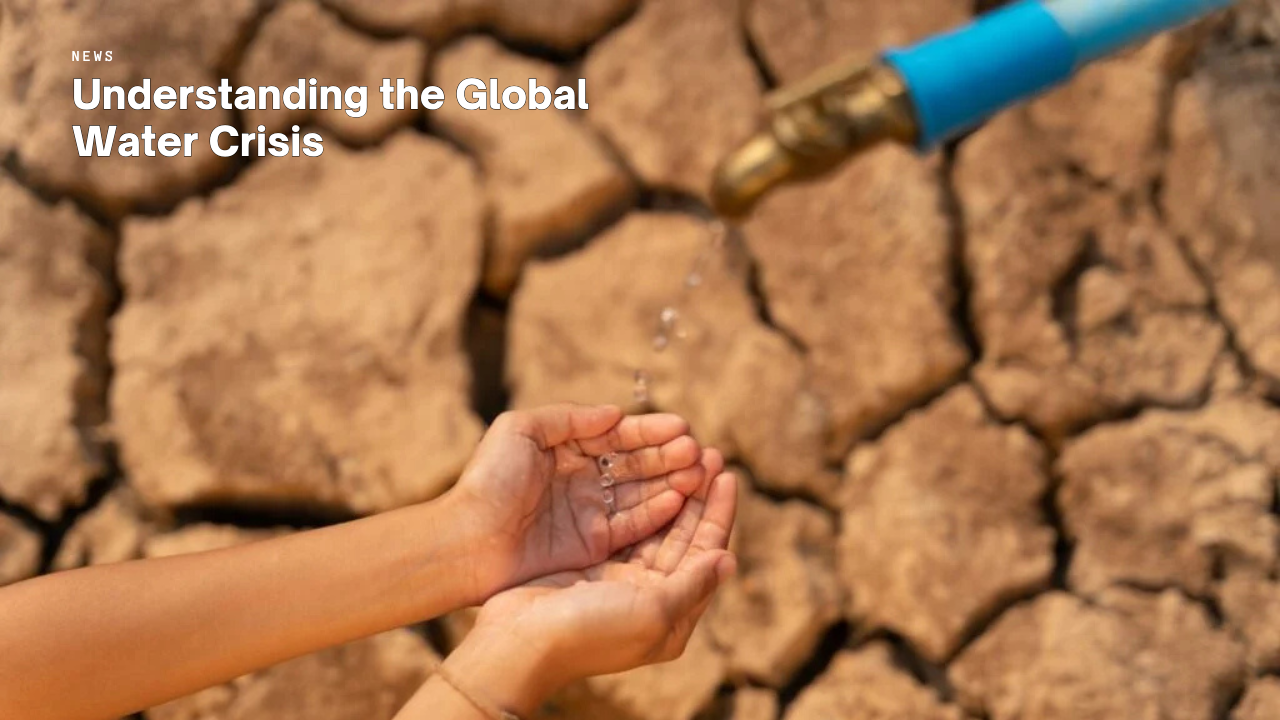
Have you ever considered that what most articles tell you about the global water crisis might actually be missing the full, complex picture? I’ve spent over a decade tracking water issues, and I can tell you it’s far more intricate than just “not enough water.” It’s about access, management, pollution, and a shocking lack of strategic foresight in many places. This isn’t just a developing world problem; it affects every single one of us, often in ways we don’t even realize until it’s too late.
The global water crisis, at its heart, is a critical imbalance between available freshwater resources and the escalating demand for them, exacerbated by climate change, pollution, and inadequate infrastructure. Understanding its multifaceted nature is crucial because it’s not a distant problem for someone else to solve; it’s a fundamental threat to human health, economic stability, and environmental sustainability right now in 2026.
Key Takeaways
- The global water crisis is primarily an issue of management and distribution, not just scarcity.
- Climate change is accelerating regional water stress through extreme weather events and altered rainfall patterns.
- Innovative solutions like advanced desalination and smart agriculture are critical but face significant economic and political barriers.
- Individual actions, while small, contribute significantly to broader conservation efforts when widely adopted.
- Achieving water security by 2030 requires integrated strategies combining technology, policy, and community engagement.
Table of Contents
- What Exactly Is the Global Water Crisis and Why Do We Often Miss the Mark?
- The Core Causes Fueling Our Global Water Crisis in 2026
- The Real-World Challenges of Solving the Global Water Crisis
- What Are the Most Innovative Solutions for the Global Water Crisis Today?
- Can Everyday Choices Really Impact the Global Water Crisis?
- Frequently Asked Questions About the Global Water Crisis
What Exactly Is the Global Water Crisis and Why Do We Often Miss the Mark?
The global water crisis is a persistent, systemic issue characterized by insufficient access to safe, readily available water, coupled with increasing demand and diminishing supplies. What many people misunderstand is that it isn’t simply a matter of Earth running out of water. Far from it, actually. Our planet has a fixed amount of water, but less than 3% of it is freshwater, and most of that is locked in glaciers or deep underground aquifers, making it inaccessible. So, the usable amount is tiny.
The crisis stems more from a confluence of poor water management, contamination, and uneven distribution across populations and regions. When we talk about scarcity, it’s often economic water scarcity, where a region simply lacks the infrastructure or financial means to harness and distribute its existing water resources. It’s not a true physical absence of water; it’s a failure of systems.
Consider the situation that unfolded in Cape Town, South Africa, between 2017 and 2018. They faced the unprecedented threat of “Day Zero,” when municipal water supplies would be shut off due to a severe, multi-year drought. This wasn’t just about a lack of rain; it exposed significant vulnerabilities in water management, dependence on a single source, and delayed public engagement strategies. The crisis was averted, but it served as a stark, global reminder that even modern, well-developed cities are not immune to the devastating impacts of water stress when systems fail to adapt.
The Core Causes Fueling Our Global Water Crisis in 2026
Several interconnected factors drive the complexity of the global water crisis, making it a hydra-headed challenge that requires multifaceted solutions. No single cause acts in isolation; instead, they amplify each other, creating a compounding effect that stretches resources thinner and thinner. Understanding these primary drivers is the first step toward effective intervention.
Climate Change and Erratic Weather Patterns
Perhaps the most significant overarching cause in 2026 is the escalating impact of climate change. Changing global temperatures are directly altering the hydrological cycle, leading to more extreme weather events. We’re seeing more frequent and intense droughts in regions like the Horn of Africa and the American Southwest, alongside devastating floods in Southeast Asia and parts of Europe, both of which severely compromise water quality and availability. According to the United Nations’ latest assessments, over two billion people live in countries experiencing high water stress, a number projected to rise significantly due to these climatic shifts. Less predictable rainfall means less reliable replenishment for surface water and groundwater alike.
Outdated Infrastructure and Water Scarcity Management
Many urban centers, particularly in older cities or rapidly developing nations, rely on water infrastructure built decades ago that is simply not equipped for today’s demands or environmental pressures. Leaky pipes, for instance, can lead to staggering amounts of water loss. In some cities, up to 50% of treated water is lost before it ever reaches a tap, a truly painful inefficiency. Beyond physical infrastructure, the management strategies themselves often fall short. They frequently fail to account for population growth, industrial expansion, or the increasing variability of water sources. The bottom line is, even if the water is there, if we can’t get it where it needs to go efficiently, it’s as good as gone.
Industrial and Agricultural Pollution
Contamination plays an equally devastating role. Agriculture accounts for roughly 70% of global freshwater withdrawals, and it’s a major source of pollution through runoff from fertilizers and pesticides. Industry, too, discharges untreated or inadequately treated wastewater directly into rivers and lakes, introducing heavy metals, chemicals, and other toxic substances. This pollution renders vast quantities of freshwater unusable, forcing communities to seek alternative, often more expensive or distant, sources. It’s a tragic cycle: we use water, we pollute it, and then we need more clean water, which is now even harder to find.
The Real-World Challenges of Solving the Global Water Crisis
Addressing the global water crisis isn’t a simple engineering problem; it’s a complex interplay of economic, social, and political hurdles. As an expert who’s watched solutions roll out, and often stumble, I can tell you that the challenge is as much about human systems as it is about hydrological ones. Overcoming these barriers requires more than just innovation; it demands cooperation and difficult decisions.
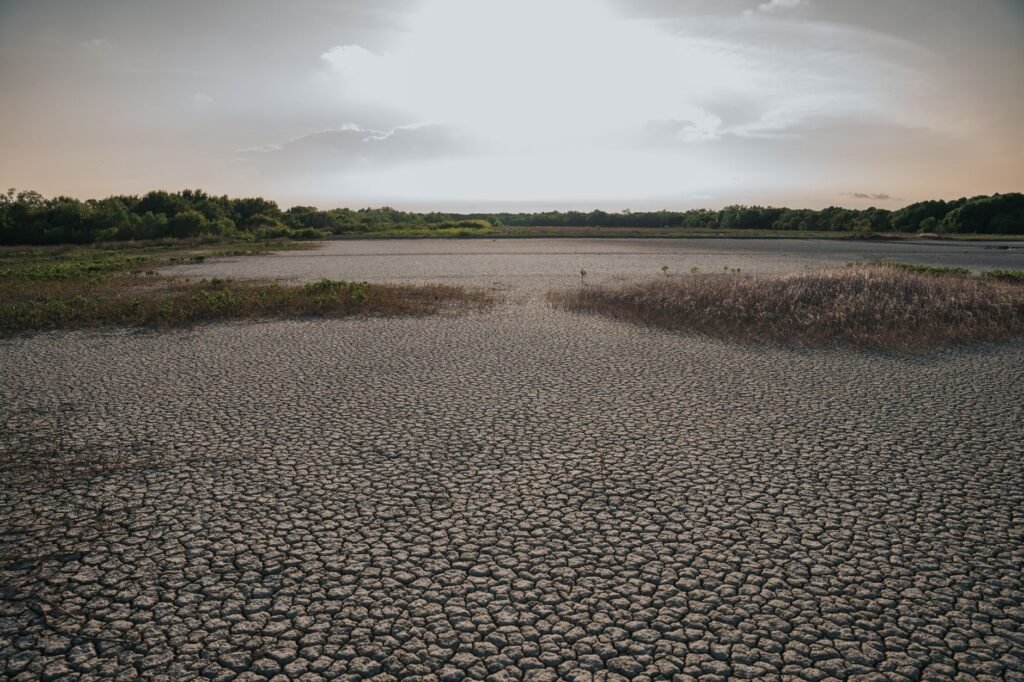
Unpack the global water crisis in 2026: explore its complex causes, pressing challenges, and groundbreaking innovative solutions transforming access to clean water worldwide.
Economic Hurdles to Sustainable Water Solutions
Implementing large-scale sustainable water solutions, such as modern wastewater treatment plants, efficient irrigation systems, or desalination facilities, requires immense financial investment. For many low-income countries and even struggling municipalities in wealthier nations, the capital costs are prohibitive. Moreover, while solutions like advanced desalination plants can provide fresh water, their energy consumption translates to high operational costs, often making the water prohibitively expensive for local populations or agricultural use. This economic reality means that the most effective solutions sometimes remain out of reach for those who need them most.
Social Equity and Access to Clean Water
The crisis disproportionately affects vulnerable populations. Women and girls in many developing regions spend hours each day fetching water, impacting their education and economic opportunities. Access to clean water is a fundamental human right, yet billions still lack it. A 2023 report by UNICEF and the World Health Organization highlighted that approximately 2.2 billion people still do not have safely managed drinking water services. Ensuring equitable access means not only building infrastructure but also addressing entrenched social inequalities and power dynamics. We need to remember that health trends in 2026 are deeply tied to water quality.
Political Will and Cross-Border Cooperation
Water often crosses political boundaries, flowing through multiple countries or states. This shared resource demands international and inter-state cooperation, but political tensions, differing national priorities, and a lack of robust governance mechanisms often hinder effective collaboration. Negotiating water-sharing agreements can be incredibly contentious, especially in regions already experiencing conflict or instability. Without strong political will and a commitment to shared stewardship, even the most brilliant technical solutions can stall.
What Are the Most Innovative Solutions for the Global Water Crisis Today?
Despite the daunting challenges, humanity is far from helpless. A growing wave of innovative solutions, driven by technological advancements and renewed global commitment, offers real hope for tackling the global water crisis. These aren’t magic bullets, but they represent significant strides forward.
Advanced Filtration and Desalination Technologies
One of the most promising areas is in purifying existing water sources. Desalination, the process of removing salt from seawater or brackish water, has become significantly more efficient in recent years. New membrane technologies and energy recovery devices have driven down the cost and energy footprint, making it a viable option for coastal communities facing severe freshwater shortages. Israel, for instance, now gets nearly 80% of its domestic water from desalination, according to an article in The Times of Israel. This technology, once considered too expensive, is a .
Similarly, advancements in wastewater treatment, including membrane bioreactors and advanced oxidation processes, mean we can treat and reuse water to an incredibly high standard. Places like Singapore have pioneered “NEWater,” where treated wastewater is purified to drinking water standards, demonstrating that what was once waste can become a valuable resource. For those looking to ensure water quality at home, especially in areas with older infrastructure, a robust filtration system can make a real difference. The Berkey Light Water Filter System, for example, is a popular choice for its gravity-fed purification capabilities, making it ideal for both daily use and emergency preparedness.
Smart Water Management and Precision Agriculture
Technology is also revolutionizing how we manage water. IoT sensors, AI-powered analytics, and satellite imagery are enabling “smart water grids” that can detect leaks in real-time, optimize pressure, and predict demand. These systems can drastically reduce water loss in urban distribution networks. On farms, precision agriculture uses similar sensor networks and data analysis to deliver water directly to crops when and where it’s needed, minimizing evaporation and runoff. Drip irrigation, combined with soil moisture sensors, can reduce agricultural water use by up to 60% compared to traditional flood irrigation. This is an area where the latest tech products released in 2026 are making a tangible difference.
For individuals looking to make a difference at home, investing in water-efficient appliances and fixtures is key. A WaterSense certified showerhead, for instance, can reduce water consumption by 20-30% without sacrificing pressure. It’s a small upgrade, but the collective impact is huge.
Community-Led Conservation Efforts
Perhaps less flashy than high-tech solutions, but equally vital, are community-led conservation efforts. Empowering local communities to manage their water resources, protect watersheds, and implement rainwater harvesting schemes has proven incredibly effective. Projects like India’s “water warriors” in Rajasthan have revitalized traditional water conservation structures, improving groundwater levels and agricultural resilience. These initiatives demonstrate that localized, culturally appropriate approaches can create sustainable change from the ground up.
Even simple home additions can contribute to this collective effort. A collapsible rain barrel, easily found on Amazon, can capture rainwater for garden irrigation, reducing reliance on municipal supplies.
Can Everyday Choices Really Impact the Global Water Crisis?
Absolutely, yes. While the scale of the global water crisis feels overwhelming, the cumulative effect of individual actions is profound. Thinking that your small efforts don’t matter is a common misconception, but it’s simply not true. Every drop saved, every reduction in pollution, every informed decision about consumption contributes to the larger picture.
From shortening your showers and fixing leaky faucets to choosing products from companies committed to sustainable water practices, your choices send ripples. Opting for a plant-based diet, even part-time, can significantly reduce your “water footprint” because livestock production is incredibly water-intensive. Engaging with local water conservation groups, supporting policies that advocate for better water infrastructure, and educating yourself and others are all powerful steps. It’s the collective weight of millions of small actions that truly moves the needle.
Remember, the water cycle connects us all. Your efforts at home might seem tiny, but they contribute to a global shift toward more responsible water stewardship. It’s about becoming a conscious consumer and an active participant in protecting this most vital resource.
The global water crisis is a defining challenge of our generation, requiring urgent and concerted action. It is a problem born from a mix of environmental shifts, economic disparities, and governance gaps, but it is not without solutions. From the advanced filtration systems revolutionizing water purification to the quiet power of community-led conservation, pathways to a more water-secure future are emerging. Our collective responsibility now is to embrace these solutions, support sustainable practices, and advocate for policies that prioritize this irreplaceable resource. Our future, quite literally, depends on it.
Sources
- United Nations, Two billion people lack safe drinking water: UN report
- The Times of Israel, How Israel became a world leader in water technology
Frequently Asked Questions About the Global Water Crisis
What is the primary cause of the global water crisis?
The primary cause of the global water crisis isn’t a single factor but a combination of climate change, which leads to unpredictable weather patterns and extreme events; increasing population growth, which escalates demand; and widespread pollution from agriculture and industry. Poor water management and aging infrastructure also play significant roles in exacerbating scarcity and accessibility issues.
How does climate change impact water availability?
Climate change impacts water availability by altering the global hydrological cycle. This manifests as more frequent and severe droughts in some regions, reducing freshwater supplies, while other areas experience intense rainfall and flooding, leading to contaminated water sources and infrastructure damage. Rising temperatures also increase evaporation rates, further diminishing surface water resources.
Can desalination solve the water crisis?
While desalination technology has made significant strides in efficiency and cost reduction, making it a viable solution for water-scarce coastal regions, it cannot solve the entire global water crisis on its own. It remains energy-intensive, produces brine as a byproduct that needs careful disposal, and is not suitable for inland areas. It’s a crucial part of the solution, but not the sole answer.
What are some simple ways individuals can help with water conservation?
Individuals can contribute significantly to water conservation through several simple actions. These include taking shorter showers, fixing leaky faucets and toilets promptly, using water-efficient appliances, watering gardens during cooler parts of the day, and collecting rainwater for outdoor use. Reducing consumption of water-intensive products also makes a difference.
Which regions are most affected by water scarcity?
Regions most affected by water scarcity include North Africa, the Middle East, parts of South Asia (like India and Pakistan), and increasingly, areas of sub-Saharan Africa and the American Southwest. These areas face a combination of low rainfall, high evaporation, rapid population growth, and often, insufficient water management infrastructure.
What is “Day Zero” in the context of water crisis?
“Day Zero” refers to the hypothetical point when a city’s municipal water supply would be shut off due to extreme drought, leaving taps dry and forcing residents to collect water from distribution points. This term gained international prominence during Cape Town, South Africa’s severe drought in 2018, which narrowly avoided reaching this critical threshold.

TRENDING: Meta Ordered to Pay $567 Million by New Mexico Court
Download the new game Guess The Celebrity Quiz and check how well you know your idols
Always be up to date with the news and follow the trends!
 Support our work by giving us a small donation
 Support our work by giving us a