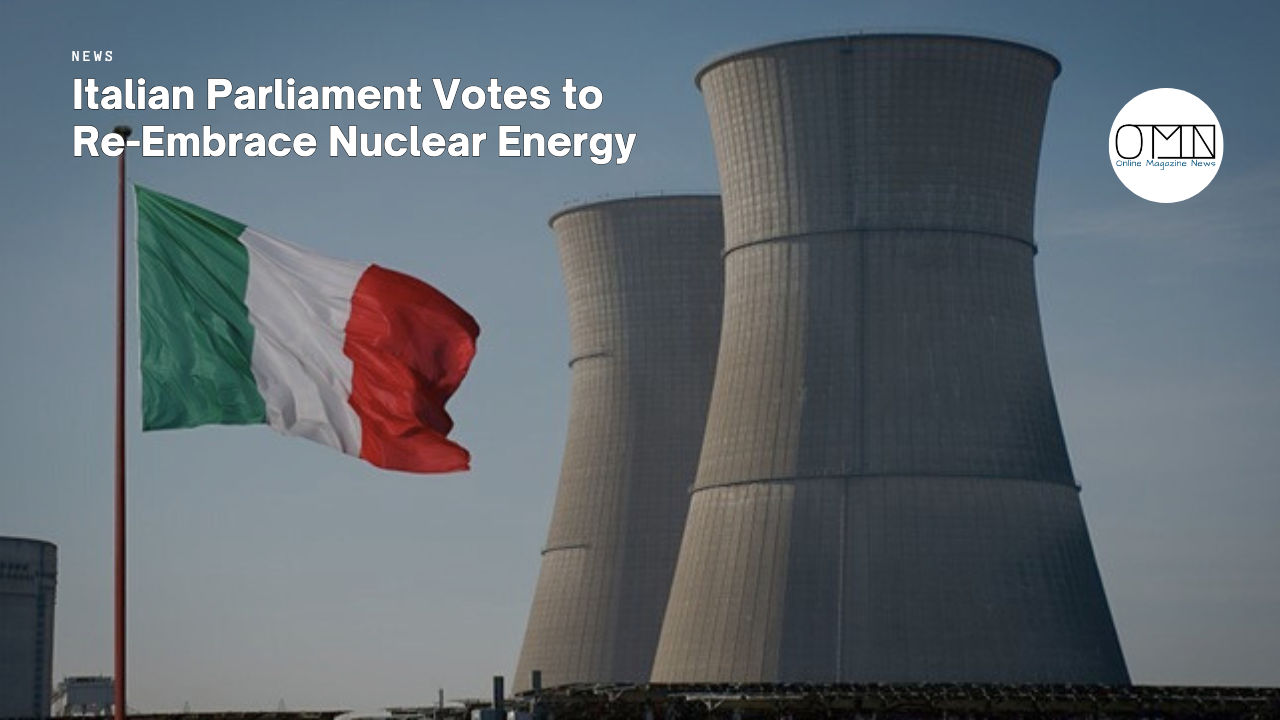
Italy’s Parliament recently approved a motion to reconsider nuclear energy, signaling a potential reversal of decades-old policy. This move could reshape the nation’s energy landscape, affecting everything from economic stability to long-term climate targets. For years, Italy has been a vocal opponent of nuclear power, shaped by a history of public referendums and profound safety concerns. But times, and priorities, are shifting.
You should care because this parliamentary vote isn’t just an internal Italian affair; it reflects a broader reassessment across Europe regarding energy independence, climate change, and the role of nuclear power in a diversified energy mix. As global energy markets remain volatile and the urgency of decarbonization intensifies, nations like Italy are weighing their options, even those previously discarded.
Key Takeaways
- Italy’s Parliament passed a motion to evaluate nuclear energy, moving away from its previous anti-nuclear stance.
- The decision is driven by concerns over energy security, high electricity costs, and ambitious climate change targets for 2026 and beyond.
- This marks a significant policy reversal following two public referendums in 1987 and 2011 that led to the shutdown of all nuclear power plants.
- The re-embrace of nuclear power faces substantial hurdles, including public acceptance, high investment costs, and lengthy construction timelines.
- Italy’s move could influence broader European energy policy, as other nations also grapple with similar energy challenges.
Table of Contents
- What Does Italy’s Vote on Nuclear Energy Mean?
- A Historical Look Back at Italy’s Nuclear Stance
- Why Reconsider Nuclear Power Now in 2026?
- The Road Ahead for Italian Nuclear Energy: Challenges and Opportunities
- How Does This Impact European Energy Policy and Climate Goals?
- Addressing Common Misconceptions About Nuclear Power
- A Long and Complex Journey Ahead
- Frequently Asked Questions
What Does Italy’s Vote on Nuclear Energy Mean?
The recent approval by Italy’s Parliament of a motion supporting nuclear energy doesn’t automatically mean new reactors are breaking ground tomorrow. Instead, it’s a critical political directive for the government to explore the feasibility of reintroducing nuclear power as part of the country’s national energy strategy. This motion, as reported by AP News, specifically tasks the Italian government with considering all forms of clean, safe nuclear energy, including advanced technologies like small modular reactors (SMRs).
It’s a strategic shift, a formal acknowledgment that the old ways of thinking about energy might not serve Italy’s future. The vote itself was a narrow victory, reflecting the deep divisions still present within Italian politics and public opinion on this contentious issue. However, for proponents of nuclear energy, it represents a significant step towards diversifying Italy’s energy portfolio and reducing reliance on imported fossil fuels.
A Historical Look Back at Italy’s Nuclear Stance
Italy’s relationship with nuclear power has been, shall we say, complicated. The nation actually had four operational nuclear power plants in the 1960s and 70s, making it one of the early adopters of the technology. But the tide turned dramatically following the 1986 Chernobyl disaster. Public fear surged, leading to a national referendum in 1987 where a vast majority of Italians voted to phase out nuclear power.
This decision led to the swift decommissioning of all existing plants by 1990. The country then became heavily reliant on natural gas, much of it imported. Efforts to revive nuclear power resurfaced in the late 2000s under Silvio Berlusconi’s government, but these plans were decisively quashed by another public referendum in 2011. This second vote was held in the immediate aftermath of Japan’s Fukushima Daiichi accident, cementing Italy’s anti-nuclear stance for over a decade. Looking back, it seems almost inevitable, given the global mood then. What shifted?
Why Reconsider Nuclear Power Now in 2026?
The drivers behind Italy’s parliamentary motion in 2026 are multifaceted, touching upon critical issues of national security, economic stability, and environmental commitments. First and foremost is energy security. Italy, like many European nations, has felt the sharp sting of geopolitical tensions and disruptions in natural gas supplies. Reducing dependence on foreign energy sources has become a paramount strategic goal.
Then there’s the relentless march of climate change. Italy is committed to ambitious decarbonization targets set by the European Union. While renewable energy sources like solar and wind are expanding rapidly, their intermittency poses challenges for grid stability. Nuclear power, with its consistent, carbon-free baseload generation, is seen by many as a vital component in achieving these net-zero goals. And let’s not forget the economic angle; high electricity prices have been a constant headache for Italian households and businesses, driving a renewed search for stable, affordable power generation.
In practice, the push for nuclear is often framed as a pragmatic necessity. It’s not about abandoning renewables, but rather complementing them to ensure a robust and reliable energy supply. We’ve seen similar debates across Europe, where the volatile energy market has pushed nations to reassess their options. From where I sit, this shift is a clear indication that for some countries, the ideal of a purely renewable grid remains aspirational, at least for the immediate future. The complexities of grid management and demand stability demand a diverse approach.
The Road Ahead for Italian Nuclear Energy: Challenges and Opportunities
Re-embracing nuclear energy in Italy is far from a simple flip of a switch. The journey will be long, arduous, and fraught with significant challenges. One of the biggest hurdles remains public perception. Decades of anti-nuclear sentiment, fueled by memories of Chernobyl and Fukushima, won’t disappear overnight. Overcoming this will require transparent communication campaigns and a strong focus on advanced safety protocols, perhaps highlighting the inherent design differences between older plants and newer models like small modular reactors (SMRs) which are often touted for their enhanced safety features and scalability.
Financially, nuclear projects demand immense upfront capital investment and long construction timelines, often stretching a decade or more. Italy would need to secure substantial funding, potentially from both public and private sources, and establish a clear regulatory framework. The country’s industrial capacity for nuclear construction and operation, dormant for so long, would also need to be rebuilt.
However, the opportunities are equally compelling. Beyond energy security and climate benefits, a revived nuclear industry could create thousands of high-skilled jobs and foster technological innovation within Italy. It could also position Italy as a leader in next-generation nuclear technologies, should it choose to invest heavily in SMR research and development. This potential for sustainable energy infrastructure could bring long-term economic dividends.
How Does This Impact European Energy Policy and Climate Goals?
Italy’s potential re-entry into the nuclear club is a significant development within the broader context of European energy policy. The European Union has seen a renewed debate on nuclear power, with countries like France strongly advocating for its inclusion in the EU’s green taxonomy, while others, notably Germany, remain committed to their nuclear phase-out. Italy joining the pro-nuclear camp could strengthen the bloc’s overall stance on nuclear as a viable, low-carbon energy source.
This could facilitate greater cooperation on nuclear research, development, and regulatory harmonization across member states. For instance, shared expertise in developing SMRs or managing nuclear waste could benefit the entire continent. Furthermore, a diversified Italian energy mix would contribute positively to the EU’s collective climate change goals, reducing overall greenhouse gas emissions and bolstering the bloc’s energy independence. It’s a domino effect, or rather, a shift in the collective political will that could see more widespread adoption.
Addressing Common Misconceptions About Nuclear Power
Nuclear power often gets a bad rap, largely due to historical accidents and pervasive myths. One common misconception is that nuclear energy is inherently unsafe. The truth is, modern nuclear power plants, especially advanced reactor designs, incorporate multiple layers of passive and active safety systems that make catastrophic failures exceedingly rare. According to the World Nuclear Association, nuclear energy has one of the lowest fatality rates per unit of energy produced compared to fossil fuels.
Another prevalent concern is nuclear waste. While it’s true that spent nuclear fuel is highly radioactive and requires careful management, the volume of waste generated is surprisingly small. It can be safely stored in secure, geological repositories. Also, advanced reprocessing technologies are continually being developed to reduce waste volume and even extract more energy from spent fuel. The real challenge is often political will and public acceptance for permanent disposal sites, not a lack of technical solutions. You know, it’s easy to focus on the sensational, but the data often tells a different story.
A Long and Complex Journey Ahead
The Italian Parliament’s vote to explore nuclear energy is a landmark decision, certainly. It signals a pragmatic approach to securing energy supplies and addressing climate change in a challenging global landscape. But let’s be realistic: the path from parliamentary motion to operational reactors is long, complex, and will require sustained political will, significant investment, and a successful campaign to rebuild public trust. It also involves navigating the intricate web of European regulations and international partnerships.
As Italy embarks on this potential journey, the world will be watching. Its success or failure could have profound implications, not only for Italian citizens but for the broader discourse on global energy policy and the fight against climate change. It’s an important moment, shaping how we think about our future energy model. The crucial next step for Italy will involve establishing a clear, detailed roadmap for this energy transition, including specific timelines, financial commitments, and public engagement strategies. A comprehensive plan is vital to moving beyond this initial vote and towards tangible progress on sustainable energy solutions.
Sources
- AP News, Italian Parliament Votes to Re-Embrace Nuclear Energy
- World Nuclear Association, Italy’s Nuclear Power Profile
Frequently Asked Questions
What was the outcome of Italy’s nuclear energy vote?
Italy’s Parliament approved a motion that mandates the government to evaluate the reintroduction of nuclear power into the national energy mix. This signifies a formal political will to consider nuclear technology again, after decades of being anti-nuclear.
Why did Italy previously abandon nuclear power?
Italy abandoned nuclear power after two national referendums. The first in 1987 was in response to the Chernobyl disaster, leading to the shutdown of all existing plants. The second in 2011, prompted by the Fukushima accident, definitively halted any plans for a nuclear revival.
What types of nuclear technology is Italy considering?
The parliamentary motion calls for evaluating all forms of clean and safe nuclear energy. This includes advanced technologies like Small Modular Reactors (SMRs), which are often highlighted for their enhanced safety features, smaller footprint, and scalability compared to traditional large-scale reactors.
How will nuclear energy help Italy with climate change?
Nuclear energy is a carbon-free power source that provides consistent, baseload electricity. By reintroducing nuclear power, Italy aims to complement its renewable energy sources, reduce reliance on fossil fuels, and accelerate its progress towards ambitious national and European Union decarbonization targets for 2026 and beyond.
What are the main challenges for Italy to re-embrace nuclear power?
Key challenges include rebuilding public acceptance and trust after decades of anti-nuclear sentiment, securing massive upfront capital investments, establishing new regulatory frameworks, and overcoming the long construction timelines associated with nuclear power plant development.

TRENDING: FBI Investigation Into Service Selling 153 Million Drivers Licenses
Download the new game Guess The Celebrity Quiz and check how well you know your idols
Always be up to date with the news and follow the trends!
👉🏻 Support our work by giving us a small donation