Why is a single measles death making national headlines? Because measles is a vaccine-preventable disease, and the loss of a baby in Wisconsin, reported by Ars Technica as the first measles death in 35 years amid rising cases, is the kind of outcome public health officials spent decades trying to make unthinkable.
I’ll walk you through what the headline means, why infants face the highest danger, and what actually lowers the risk for your family in 2026. I’m sticking to what the source and established health agencies confirm, and I’ll flag where details are still thin.
Key Takeaways
- A Wisconsin baby has died of measles, described by Ars Technica as the first such death in 35 years, while cases are rising.
- Measles spreads through the air and can linger in a room after an infected person leaves.
- Babies under 12 months are usually too young for the routine MMR shot, so they depend on the immunity of people around them.
- Two doses of MMR vaccine are about 97% effective against measles, according to the CDC.
- If you suspect measles, call your clinic before walking in so staff can protect other patients.
Table of Contents
- What Happened in Wisconsin
- Why Is Measles So Dangerous for Babies?
- How Does Measles Spread So Easily?
- Why Is a Disease Once Declared Eliminated Returning?
- Common Misconceptions About Measles
- How to Protect a Baby From Measles
- Symptoms and What to Do
- FAQ
What Happened in Wisconsin
A baby in Wisconsin has died after a measles infection, and Ars Technica framed the death as the first from the disease in 35 years while case counts keep climbing. That framing is the news: a death from a disease many parents have never seen.
I won’t add details the source doesn’t support. Specifics such as the child’s exact age, location or vaccination circumstances belong to health officials and the family, and you should look to state and local health departments for confirmed updates. Speculation in the early days of any outbreak tends to age badly.
What we can say is that the story fits a broader pattern. When a measles outbreak grows, the youngest and the immunocompromised are the people least able to defend themselves, and they are the ones who pay when community protection thins out.
Why Is Measles So Dangerous for Babies?
Baby measles cases are more dangerous because infants have immature immune systems, smaller airways and no vaccine protection before about 12 months. The CDC reports that roughly 1 to 3 of every 1,000 children who get measles in the United States die from respiratory or neurologic complications, and young children carry a higher risk of serious illness.
The CDC also notes that about 1 in 5 unvaccinated people who get measles are hospitalized. Pneumonia is the most common cause of death in young children, while brain swelling (encephalitis) can cause lasting damage or death.
There is a quieter hazard too. Measles can wipe out parts of the body’s immune memory, sometimes called immune amnesia, leaving a child more exposed to other infections for months afterward. It’s one reason doctors don’t treat a “mild” case as harmless.
Why babies can’t simply get the shot early
The routine MMR schedule gives a first dose at 12 to 15 months and a second at 4 to 6 years. Infants from 6 to 11 months can receive an early dose before international travel, and health departments sometimes recommend it in an outbreak area. Even so, that early dose doesn’t count toward the standard two, so the child still needs both later shots.
Maternal antibodies offer some temporary cover, but it fades, and it tends to be weaker if the mother’s own immunity came from vaccination rather than natural infection. For a newborn, the practical shield is everyone else being vaccinated.
How Does Measles Spread So Easily?
Measles spreads through airborne droplets from coughing and sneezing, and the virus can stay infectious in the air of a room for up to two hours after an infected person leaves. The CDC says up to 90% of nearby non-immune people will catch it after exposure, which makes it one of the most contagious human viruses known.
An infected person can spread the virus from about four days before the rash appears to four days after. That means someone can be contagious before anyone realizes what’s wrong.
Think about a pediatric waiting room, a grocery line or a flight. A sick toddler doesn’t need to touch your baby. Shared air is enough, and that’s why a single exposure site can seed a cluster.
Why Is a Disease Once Declared Eliminated Returning?
The United States declared measles eliminated in 2000, meaning continuous spread had stopped, and outbreaks since then have mostly come from imported cases meeting pockets of unvaccinated people. Elimination status rests on high vaccination rates, not on the virus disappearing from the world. The World Health Organization tracks measles globally, and the virus keeps circulating in many countries.
Herd immunity for measles needs roughly 95% of a community to be immune. That is a very high bar, higher than for most diseases. When coverage dips below it in a school district, a congregation or a county, the gap can be enough for an outbreak to take off even if state-level averages look healthy.
That’s the catch with state averages. They hide neighborhoods. A county at 85% coverage can sustain a chain of transmission while the statewide figure still looks reassuring.
A public health crisis in slow motion
Calling this a public health crisis isn’t hyperbole when you consider the ripple effects. Each case triggers contact tracing, quarantine of exposed people, notification of exposure sites and, often, emergency vaccination clinics. Local health departments absorb that cost in staff hours, usually without extra funding.
The same pressure on health systems showed up in other recent stories we’ve covered, including the CDC’s warning about drug resistant germs and annual deaths. Prevention is cheaper than response, and measles is the clearest example.
Common Misconceptions About Measles
Several beliefs about measles persist even though they don’t hold up against the evidence. Clearing them up matters, because a wrong assumption is often what delays care or vaccination.
- “Measles is just a rash.” The rash is the visible part. Complications such as pneumonia, ear infections and encephalitis cause the harm, and they strike without warning.
- “Healthy kids always recover.” Most do. But the CDC’s 1 to 3 deaths per 1,000 figure includes children who were otherwise healthy.
- “Vitamin A will protect my child.” The WHO recommends vitamin A for children with measles as part of treatment, but it doesn’t prevent infection and it isn’t a substitute for vaccination.
- “Natural infection is better than the shot.” It carries the risks listed above, and it can spread the disease to babies who can’t be vaccinated.
- “There’s a cure.” No antiviral cures measles. Care is supportive: fluids, fever control, and treatment of complications.
One trade-off deserves honesty. The MMR vaccine can cause side effects, usually a sore arm, fever or a mild rash. Serious reactions are rare, and the CDC says the vaccine’s safety record is strong, but it isn’t zero risk. Weighed against measles, the balance is lopsided.
How to Protect a Baby From Measles
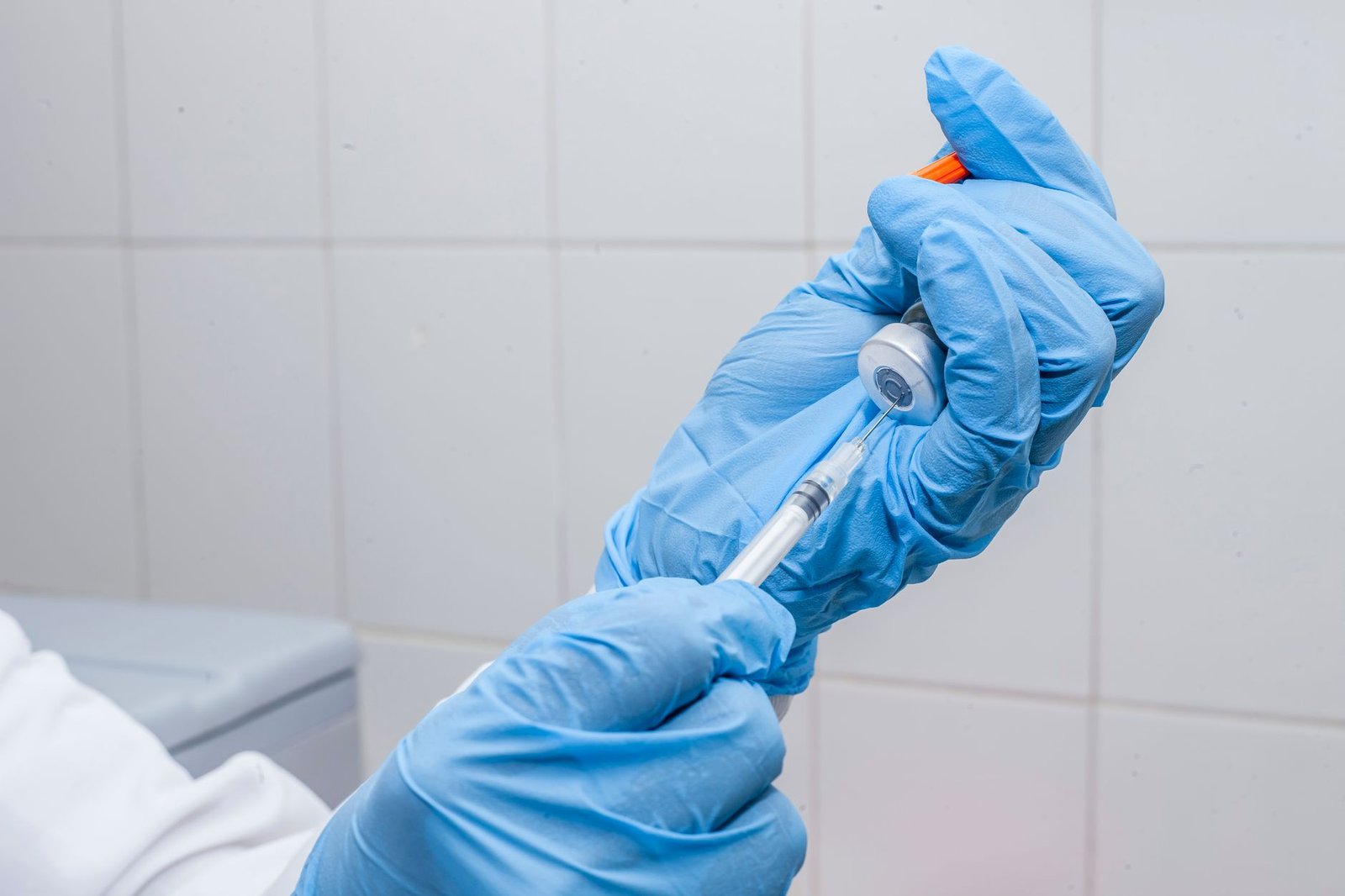
The most effective protection for a baby is a vaccinated household and community, because two doses of MMR are about 97% effective against measles according to the CDC, and one dose is about 93%. If you can’t vaccinate the infant yet, vaccinate everyone around the infant.
Here’s a practical checklist for parents and caregivers.
- Check that every adult and child in the home has two documented MMR doses, or proof of immunity from a blood test. Adults born before 1957 are generally considered immune.
- Ask your pediatrician about an early dose at 6 to 11 months if you’re traveling abroad or live near an active outbreak.
- Keep the 12 to 15 month dose on the calendar. Don’t postpone it.
- Tell grandparents, nannies and visitors to confirm their own status before holding a newborn during an outbreak.
- Follow your state health department’s exposure alerts, and avoid listed locations if you have an infant.
Don’t have your records? Your state immunization registry or your former clinic can usually retrieve them. If none exist, many doctors will simply recommend getting another dose, since extra doses aren’t harmful.
Is the vaccine safe during an outbreak?
Yes, the MMR vaccine can be given during an outbreak, and health departments often encourage it. The vaccine is a live attenuated virus, so it isn’t recommended for pregnant women or people with severely weakened immune systems. Those individuals rely on others being immune, which is another reason community coverage matters.
Symptoms and What to Do
Measles starts with high fever, cough, runny nose and red, watery eyes, then a flat red rash appears three to five days later, usually beginning at the hairline and spreading downward. Tiny white spots inside the mouth, called Koplik spots, can show up a day or two before the rash.
If you suspect baby measles, call the clinic or emergency room before you arrive. Staff can bring you in through a separate entrance or an isolation room, which protects other infants in the waiting area.
Go to emergency care right away for trouble breathing, a stiff neck, unusual drowsiness, seizures, or a baby who refuses to feed and seems limp. Those can signal pneumonia or brain involvement.
What This Death Means Going Forward
A measles death is a signal, not an isolated event. It tells you the safety net has frayed in at least some places, and that a disease many people thought belonged to the past can still take a child’s life in 2026.
I don’t think blame helps much. What helps is clear information, easy access to vaccination and honest conversations with trusted pediatricians, including with parents who have real questions. Public health works best when it explains instead of scolds.
If there’s one step to take this week, make it this: look up your family’s MMR records, and if anything is missing, book the appointment. Then check your state health department’s website for outbreak updates near you. It takes ten minutes, and for a baby too young to be vaccinated, it may be the best protection available.
FAQ
Was this really the first measles death in 35 years?
That is how Ars Technica framed the story in its headline. Readers should check the state health department and the CDC for official confirmation of the details, since exact scope and wording can differ between sources.
Can a baby get measles if the mother was vaccinated?
Yes. Maternal antibodies protect newborns for a limited time, and that protection fades during the first year. Vaccine-derived antibodies tend to be lower and wear off sooner than those from past natural infection.
How contagious is measles compared with other viruses?
Measles is among the most contagious viruses. The CDC says up to 90% of non-immune people close to an infected person will become infected. The virus can also hang in the air for up to two hours.
When should my baby get the MMR vaccine?
The routine schedule is a first dose at 12 to 15 months and a second at 4 to 6 years. An early dose at 6 to 11 months can be given for travel or outbreak situations, but it doesn’t replace the standard doses.
Is there a treatment for measles?
No specific antiviral exists. Doctors provide supportive care, treat complications such as pneumonia, and the WHO recommends vitamin A for children with measles. Severe cases may require hospitalization.
Why is measles called a preventable disease?
Because a safe, effective vaccine exists. Two doses of MMR give about 97% protection, and high community coverage stops the virus from spreading to those who can’t be vaccinated.
Sources
- Ars Technica, First measles death in 35 years, Wisconsin baby dies amid rising cases
- CDC, Measles vaccination, transmission and complication data
- World Health Organization, Global measles information