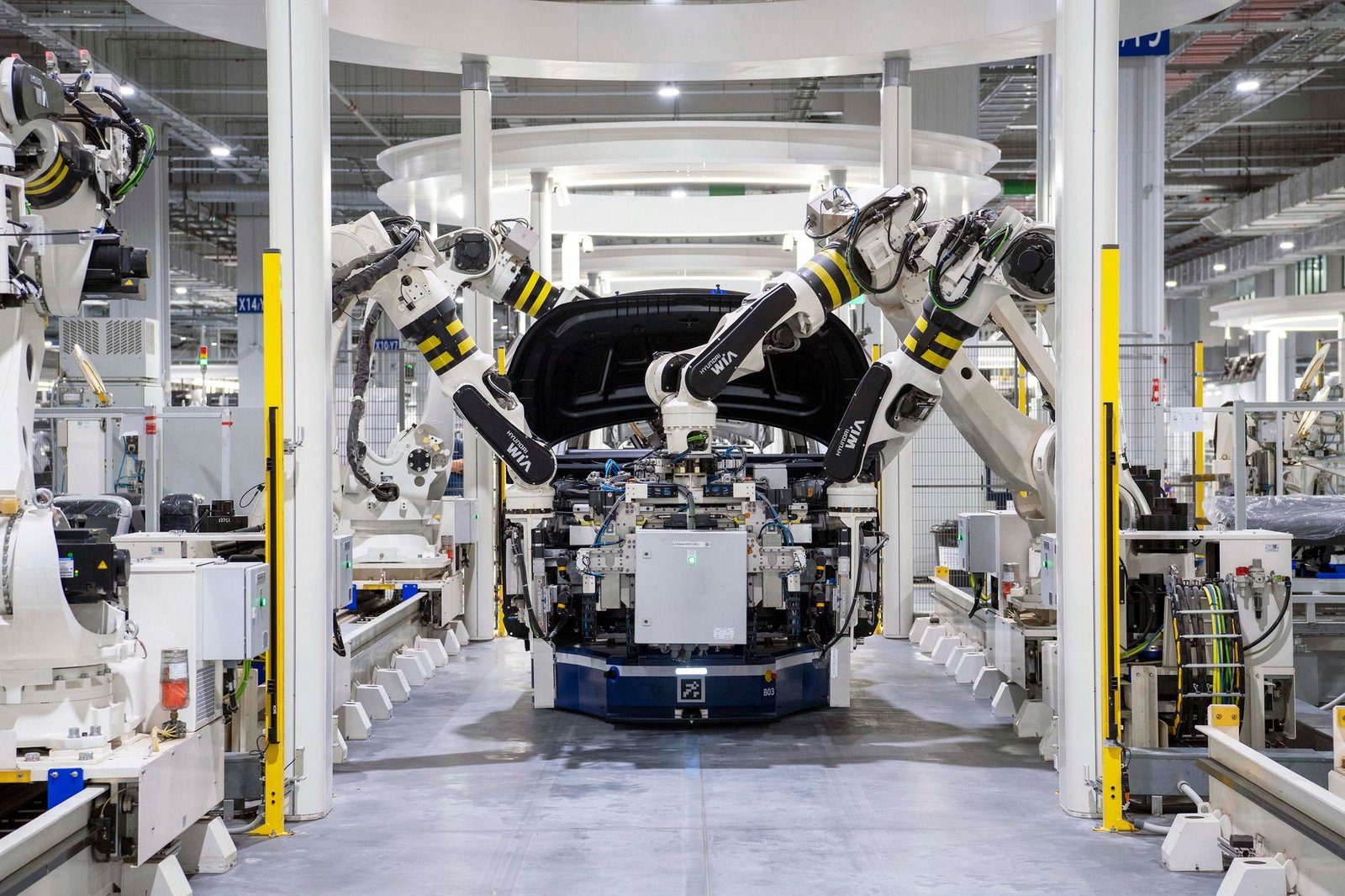
Most automotive enthusiasts view a car as a unique expression of engineering and design, but in the high-stakes world of global manufacturing, individuality is becoming an expensive luxury. I recently spoke with a production consultant who noted that the hidden hardware behind your dashboard often costs more to differentiate than the dashboard itself, a realization that is currently driving a massive shift in the Japanese auto industry. As the transition to electric vehicles (EVs) accelerates, the traditional rivalries between brands like Toyota, Nissan, and Honda are being set aside in favor of a survival strategy rooted in standardization.
According to a report by Car and Driver, these three Japanese giants are moving toward a historic agreement to share auto parts and software platforms. This isn’t just about sharing a few bolts or window switches; we are looking at a fundamental restructuring of how these companies build vehicles to aggressively target manufacturing costsBy 2026, the components that drive the “brains” of your car, the software-defined vehicle (SDV) architecture, could be identical across a Camry, an Altima, and an Accord.
- Toyota, Nissan, and Honda are collaborating to standardize software and electronic components to remain competitive against Chinese EV makers.
- The goal is to significantly lower manufacturing costs by pooling research and development resources for non-visible parts.
- Standardization will focus on “software-defined vehicles” (SDVs), ensuring that operating systems and ECUs are compatible across brands.
- This partnership represents a defensive move against the rapid market share gains of companies like BYD and Tesla.
We often assume that competition drives innovation, but in the current climate, competition is driving consolidation. You might wonder if this means your next car will feel like a carbon copy of its rival. The truth is more nuanced. While the “bones” and “brains” of the cars will be standardized, the brands intend to maintain their unique identities through exterior styling and the specific “flavor” of the driving experience. This shift is a direct response to the massive billion-dollar investments required to compete in the autonomous and electric era, where software development costs now rival physical assembly costs.
Why are Toyota Nissan and Honda standardizing parts now?
The primary driver for this alliance is the sheer speed of the Chinese automotive sector. Companies like BYD have vertically integrated their supply chains to a degree that makes traditional Japanese manufacturing look sluggish and fragmented. Toyota, Nissan, and Honda are standardizing parts to achieve economies of scale that no single company could reach alone in the software space. By creating a unified standard for electronic control units (ECUs) and operating systems, they can purchase components in much higher volumes, which naturally drives down the per-unit price.
I have observed that the automotive world is currently facing a “software wall.” In the past, a car was 90% hardware and 10% software. Today, that ratio is flipping. Developing a proprietary operating system that handles everything from battery management to semi-autonomous driving is an enormous financial burden. By 2026, the industry expects software to be the defining factor in vehicle value. If these three companies continue to develop three different versions of the same basic code, they simply won’t have the capital left to innovate on the features you actually care about, like range or interior luxury.
This move mirrors recent trends in other high-tech sectors. Just as we saw US banking infrastructure face challenges that required systemic updates, the automotive supply chain is realizing that fragmentation is a vulnerability. Standardization allows for faster updates, easier repairs, and a more robust defense against cyber threats, which is becoming a major concern as cars become more connected.
What exactly is being standardized in these vehicles?
It is a mistake to think this means every car will have the same engine or suspension. The focus is specifically on the digital architecture. This includes the sensors, the communication protocols between different parts of the car, and the underlying software that manages data flow. Imagine if every smartphone maker had to invent their own version of Bluetooth and Wi-yFi from scratch; it would be chaos. That is essentially what car makers have been doing for decades with their internal electronics.
- Operating Systems: A shared base layer of code that allows third-party apps and internal systems to function smoothly.
- Electronic Control Units (ECUs): The small computers that manage everything from power steering to climate control.
- Data Protocols: Standardizing how different components “talk” to each other to reduce wiring complexity.
- Semiconductors: By using the same chips, these brands can secure better deals with suppliers like Nvidia or Qualcomm.
This level of standardization is particularly critical for the development of Software-Defined Vehicles (SDVs). In an SDV, the hardware is static, but the car’s features can be updated over the air, much like a Tesla or an iPhone. If Honda and Nissan use the same software foundation, a developer can create a new safety feature or entertainment app that works on both platforms with minimal tweaking. This creates an ecosystem that is far more attractive to top-tier software talent and partner companies.
The role of semiconductors and hardware compatibility
The global chip shortage of previous years taught the industry a painful lesson: having unique, specialized chips makes you fragile. If Toyota uses a specific chip that no one else uses, and that factory goes down, production stops. By standardizing auto parts at the silicon level, the Japanese “Big Three” ensure that their supply chains are interchangeable. This is a massive hedge against future geopolitical instability or manufacturing hiccups.
We are also seeing a push toward standardizing the physical connectors and harnesses. While this sounds boring, it is a huge part of manufacturing costsA modern car has miles of wiring. If these companies can agree on a single wiring architecture, they can automate more of the assembly process. This is the same logic that makes DeepMind’s AlphaProof so valuable for software reliability; consistency leads to fewer errors and lower costs.
How this alliance impacts the global EV market
The elephant in the room is China. In 2026, the pressure from brands like Geely, Xiaomi, and BYD will only intensify. These companies aren’t just building cars; they are building mobile devices on wheels. They move at “tech speed,” often refreshing models every 18 to 24 months. Traditional Japanese cycles are closer to 5 to 7 years. Standardization is the only way for Toyota, Nissan, and Honda to match that pace.
By sharing the cost of the “invisible” parts of the car, these brands can redirect their billion-yen R&D budgets toward the “visible” parts. This means better batteries, more efficient motors, and more innovative interior designs. It is a strategic retreat from the “not-invented-here” syndrome that has plagued Japanese engineering for years. They are finally admitting that being unique in the way a brake controller handles data doesn’t sell cars, but having a better range than a Tesla does.
| Feature | Traditional Approach | Standardized 2026 Approach |
|---|---|---|
| Software Dev | Proprietary, siloed code | Shared base OS/Architecture |
| Parts Sourcing | Low volume, brand-specific | High volume, cross-brand |
| Update Speed | Slow, requires hardware changes | Fast, over-the-air (OTA) |
| R&D Efficiency | Redundant spending | Pooled resources for core tech |
This isn’t the first time we’ve seen such a move. In the world of high-performance computing, companies often collaborate on open-source standards to ensure they don’t get left behind by a single dominant player. As we saw with the Jensen Huang Nvidia CEO petition, the community often reacts strongly when they feel one player has too much control. This alliance is a way for Japan to maintain its collective influence in the global market without letting a single company, like Tesla, dictate all the rules.
The trade-offs: What do consumers lose?
While this is a win for the companies’ balance sheets, you might be concerned about “brand dilution.” If a Honda feels exactly like a Nissan under the hood, why choose one over the other? This is a valid concern. The risk is that cars become commodities, much like mid-range smartphones. When the internal specs are the same, the choice often comes down to who has the better marketing or a slightly nicer screen.
However, the brands argue that standardization will actually improve the consumer experience. Because the software is shared, it will likely be more stable and have fewer bugs. Think of it like the Android ecosystem: a Samsung and a Google Pixel run the same core software, but they feel very different to use. Toyota, Nissan, and Honda will likely use different “skins” or user interfaces to keep their distinct identities alive. The real benefit to you will be lower sticker prices or at least a slowing of the current price inflation seen in the EV market.
There is also the question of maintenance. Standardized auto parts mean that third-party mechanics can more easily stock the components needed for repairs. Instead of needing three different diagnostic tools for three different Japanese brands, a single standardized tool could work across the board. This could significantly lower the long-term cost of ownership, which is a major pain point for current EV early adopters.
Manufacturing costs and the bottom line
How much can they actually save? While exact figures are closely guarded, industry analysts suggest that hardware and software standardization can reduce manufacturing costs by as much as 20% to 30% in the electronics department. When you are producing millions of vehicles a year, those percentages translate into billions of dollars. This capital is desperately needed to fund the transition from internal combustion engines to electric powertrains.
We are seeing similar cost-cutting measures in other sectors, such as quiet luxury home finds where the focus is on high-quality basics rather than flashy, unique branding. In the auto world, “quiet luxury” means a car that works perfectly, receives regular updates, and doesn’t cost a fortune to maintain. The flashy innovation will happen in the user interface and the autonomous driving features, not in the way the battery cooling system is programmed.
The collaboration also extends to charging infrastructure. By agreeing on standards, these three companies can ensure their customers have access to a unified charging network in Japan and abroad. This solves one of the biggest “range anxiety” issues: the fear that your car won’t be compatible with a specific charger. It is a pragmatic approach that prioritizes the user’s needs over brand ego.
Can this alliance stop the Chinese EV surge?
Whether this move is “too little, too late” remains to be seen. Chinese manufacturers have a head start of nearly a decade in EV supply chain optimization. However, the combined engineering might of Toyota, Nissan, and Honda is formidable. They possess deep expertise in quality control and global logistics that new entrants still struggle with. This alliance is their way of modernizing that expertise for the digital age.
This isn’t a full merger. These companies will still compete fiercely in the showroom. They will still try to outdo each other on safety ratings, interior comfort, and brand loyalty. But by standardizing the auto parts that the customer never sees, they are making a bet that they can survive the most disruptive decade in automotive history.
Standardization vs. Innovation: Finding the balance
Does standardization kill innovation? Not necessarily. By standardizing the “solved problems” of automotive engineering, like how a window motor communicates with a door controller, engineers are freed up to work on “unsolved problems.” This includes solid-state batteries, advanced AI for self-driving, and sustainable materials for the cabin. It is about being smart with where you spend your creative energy.
In fact, this move might lead to more innovation. A shared platform allows for a larger marketplace of ideas. If a startup develops a revolutionary new navigation algorithm, it is much easier for them to integrate it into a standardized Japanese OS than to port it to three different proprietary systems. This could turn the Japanese auto industry into a more open, vibrant tech hub, attracting the same kind of investment we see in major AI IPOs.
As we look toward 2026, the success of this partnership will be a bellwether for the entire global industry. If it works, expect to see similar alliances between European manufacturers like Volkswagen and Stellantis. The era of the “lone wolf” car company may be coming to an end, replaced by a world of shared platforms and distinct brand experiences.
For the average driver, this shift is largely positive. You can expect cars that are more reliable, easier to update, and potentially more affordable. The days of being locked into a proprietary ecosystem that becomes obsolete in three years are hopefully numbered. While the soul of the car will still matter, the brain will increasingly be a shared, standardized, and highly efficient piece of global technology.
Frequently Asked Questions
Will Toyota, Nissan, and Honda cars look the same because of this?
No, the standardization is primarily focused on the internal electronic architecture, software operating systems, and “invisible” components like ECUs. The exterior design, interior aesthetics, and brand-specific features will remain unique to each manufacturer to ensure they still compete for different types of buyers.
Does standardization mean cheaper cars for consumers?
While it is intended to lower manufacturing costs significantly, whether those savings are passed to the consumer depends on market conditions. However, it will likely help slow down price increases and make EVs more competitive with traditional gas-powered cars by 2026.
Is this a merger between the three companies?
No, this is a strategic alliance focused on technical standards and supply chain efficiency. Toyota, Nissan, and Honda remain independent, competing entities that will continue to have their own separate dealerships, marketing, and corporate structures.
Which parts will be standardized first?
The initial focus is on software-defined vehicle (SDV) components. This includes the central operating system, communication protocols between parts, and the semiconductors that power the vehicle’s “brain.” Physical parts like sensors and basic hardware connectors are also high on the priority list.
Why is this happening specifically in 2026?
2026 is seen as a critical tipping point for the global transition to electric vehicles. With Chinese brands gaining massive market share and Tesla’s continued dominance, the Japanese “Big Three” need to have their new, cost-efficient platforms ready to compete in the next generation of the market.
Will this make cars easier to repair?
Yes, in theory. Standardization of auto parts usually leads to better availability of components and more universal diagnostic tools. This can reduce the time a car spends in the shop and potentially lower the cost of repairs since parts will be produced in much higher volumes.
Sources
- Car and Driver, Toyota, Nissan, and Honda to Standardize Parts to Lower Production Costs
- Online Magazine News, US Banking Outage and Infrastructure Stability