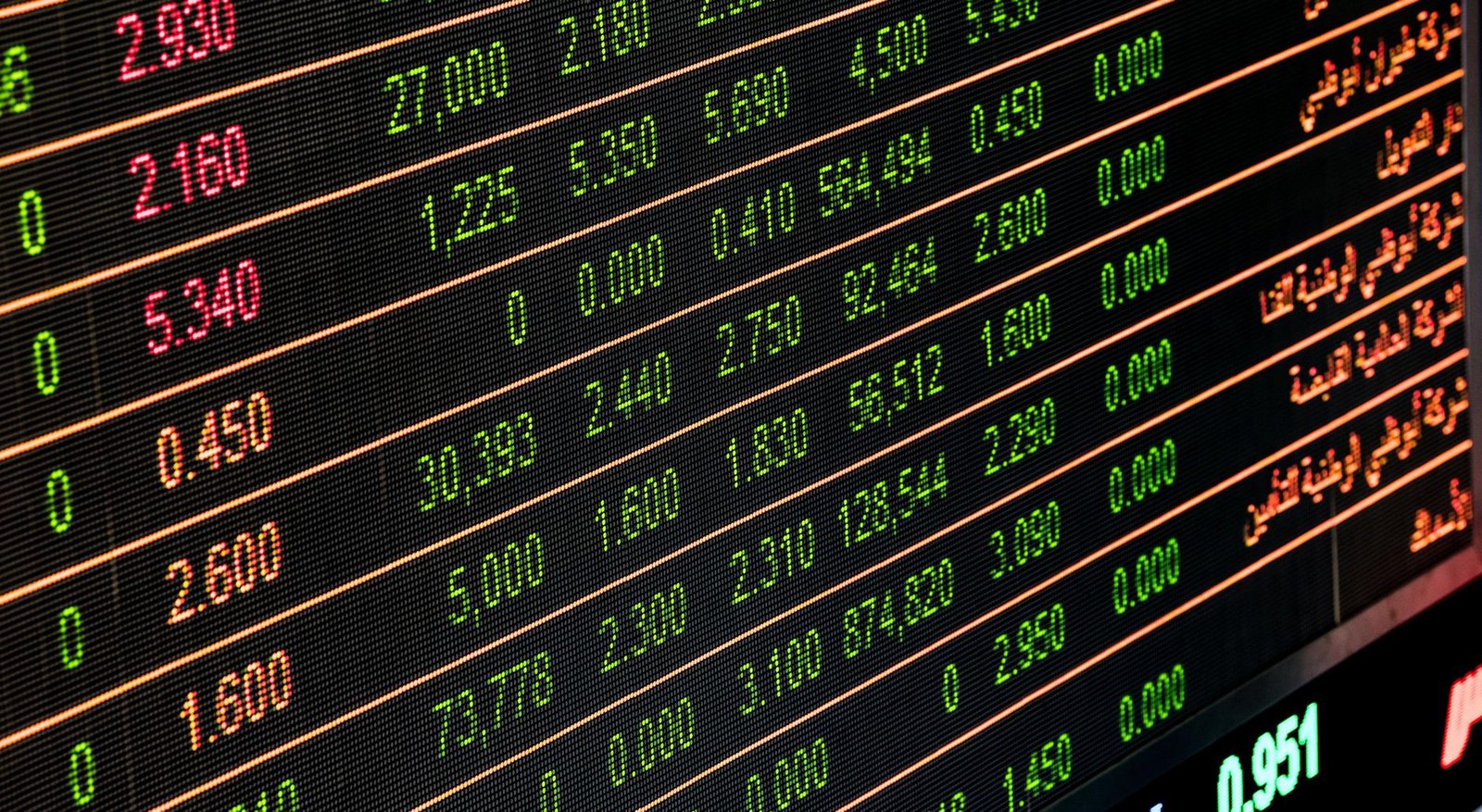
Index futures trade for nearly 23 hours a day on weekdays, which means the market starts reacting to an election result long before most people have finished their coffee. When stock futures turned mixed after a big rally following Democrats’ midterm wins, as CNBC reported, it signaled that Wall Street had already priced in a lot of the news and was now deciding what to do next.
So what does a pause after a jump actually tell you? Less than the headlines imply, and more than a shrug. This explainer walks through what futures are, why elections move them, and how to read a mixed open without making a rash call.
Key Takeaways
- Mixed futures after a rally usually mean investors are digesting gains, not reversing them.
- Election outcomes move markets through expected policy on taxes, trade, regulation, and spending, not through party labels alone.
- Futures are a signal about the next open, and they often change before the opening bell.
- One day of trading is a poor basis for changing a long-term portfolio.
Table of Contents
- What Are Stock Futures and Why Do They Matter?
- Why Are Stock Futures Mixed After a Big Rally?
- How Do Midterm Elections Move Wall Street?
- Which Sectors React Most to Election Results?
- Common Misconceptions About Election Rallies
- What to Watch After the Rally
- FAQ
- Sources
What Are Stock Futures and Why Do They Matter?
Stock futures are contracts that let traders bet on where a major index, such as the S&P 500, the Dow Jones Industrial Average, or the Nasdaq 100, will stand at a later date. Because they trade outside regular hours, futures act as an early read on how the stock market will open. They are not a promise, only a price set by buyers and sellers at that moment.
The mechanics are worth knowing. Each contract is a standardized agreement, a concept explained in plain terms in the Wikipedia entry on futures contracts. Institutions use them to hedge, while speculators use them to take a view. That mix is why futures can swing quickly on news like an election result.
When you hear “Dow futures are up” or “S&P futures are flat,” the number reflects the gap between the futures price and the previous close. It tells you the direction of the likely open, nothing about where the day ends.
Why Are Stock Futures Mixed After a Big Rally?
Stock futures turn mixed after a big rally because the main news has already been absorbed into prices, so traders start weighing whether more upside is justified. A mixed reading, with some indexes slightly higher and others slightly lower, is the market catching its breath. It is a normal pattern, not a warning flare.
Several forces tend to produce it at once:
- Profit taking. Traders who bought ahead of the vote lock in gains after a sharp move.
- Uneven sector exposure. The Nasdaq 100 leans heavily on large technology names, while the Dow has a different mix, so the same headline can nudge them in opposite directions.
- Waiting for details. An election tells you who won seats. It does not tell you what will pass, and investors want specifics.
- Competing data. Earnings, inflation readings, and Federal Reserve commentary keep arriving regardless of who won.
Here’s the trade-off for anyone reading these moves: a split in futures is genuinely ambiguous. It can precede a quiet day, a modest pullback, or a further climb. Anyone who tells you it clearly predicts one outcome is guessing.
Is a Mixed Open Bullish or Bearish?
A mixed open is neither on its own. It simply shows that buyers and sellers are roughly balanced at the moment futures are quoted. The signal gets stronger only when the pattern persists: if indexes hold their gains for several sessions, the rally has more support, whereas a fade on rising volume points to fatigue.
How Do Midterm Elections Move Wall Street?
Midterm elections move Wall Street by changing expectations about legislation, not by changing the economy overnight. Markets care about the balance of power in Congress because it shapes the odds of tax changes, spending bills, regulation, and trade measures. Investors are pricing probabilities, so the reaction often arrives the moment the outcome becomes clear.
The common logic runs like this. When control of Congress is split between parties, big sweeping laws become harder to pass. Some investors see that gridlock as stability, since it reduces the risk of abrupt policy shifts. Others see it as a drag on any agenda that would help earnings. Both views exist at the same time, which is one reason the response to an election can look contradictory.
That is also why the phrase “Democrats midterm wins” tells you less than the specifics. Which chamber changed hands, by what margin, and which committees gain influence all matter more to portfolio managers than the party label. If you want the exact scope of the wins that drove this particular move, the CNBC report is the place to confirm it.
Do Markets Prefer One Party?
Not reliably. Stocks have risen and fallen under both parties, and long-run returns depend far more on earnings growth, interest rates, and valuations than on who controls Congress. Treat any claim that one party is “better for stocks” with suspicion, because the data is noisy and the sample of elections is small.
Which Sectors React Most to Election Results?
Sectors with the most exposure to government policy react most strongly to election results. Healthcare, energy, financials, defense, and large technology companies tend to move because pending rules, subsidies, or antitrust scrutiny can shift quickly with a change in congressional leadership. The broad index may look calm while individual sectors move sharply in opposite directions.
That divergence is a likely reason an index-level reading can look mixed. A rally in one group can be offset by a pullback in another, leaving the headline number close to flat.
| Sector | Why it is sensitive to elections |
|---|---|
| Healthcare | Drug pricing, insurance rules, and coverage programs are legislative targets |
| Energy | Permitting, subsidies, and environmental rules can change |
| Financials | Bank regulation and consumer fee rules draw congressional attention |
| Defense | Budgets are set through appropriations bills |
| Big technology | Antitrust and data privacy proposals affect business models |
Financial regulation is a good example of an issue that stays in the news whatever the vote. Our earlier report on litigation facing Visa, Mastercard, and major banks over fees shows how legal and policy pressure on payments can ripple through financial stocks.
Common Misconceptions About Election Rallies
The biggest misconception is that an election rally proves the market “likes” the winner. In reality, rallies after a vote often reflect relief that uncertainty has ended. Markets generally dislike not knowing more than they dislike any particular result. Once the outcome is clear, even a disappointing one can bring buying, because investors can finally model the scenarios.
A second error is treating futures as a forecast of the whole day. Futures can reverse after the cash market opens, especially when economic data lands at 8:30 a.m. Eastern. A third is assuming the move says anything about the next year. Policy takes months to pass, and plenty of it never does.
And a fourth: believing a big one-day gain means you missed the boat. Chasing a rally after the fact is a classic way to buy near a short-term high. Long-term investors who already hold diversified funds generally gain nothing by reacting to a single session.
What to Watch After the Rally
After a sharp rally and a mixed futures reading, the next signals to watch are follow-through, policy details, and macro data. Follow-through means whether indexes hold their gains across several sessions. Policy details matter more than the vote count, and economic data can overpower both.
- Leadership and committee choices. Who chairs key committees tells you which bills get a hearing.
- Trade and tariff signals. Geopolitics can swamp domestic politics. Our coverage of Xi Jinping’s terms ahead of a Trump meeting shows how quickly an international headline can change the tone.
- Inflation and jobs reports. These shape expectations for interest rates, which drive valuations.
- Earnings guidance. Company outlooks reveal whether the rally is supported by profits.
- Volume and breadth. A rally led by a few giant stocks is weaker than one that includes many sectors.
It also helps to check your own exposure. If your holdings are concentrated in a single sector that reacts to policy, you are more exposed to election-driven swings than someone in a broad index fund.
Should You Change Your Portfolio After an Election Rally?
For most long-term investors, no. Rebalance if your allocation has drifted from your plan, and keep contributing on your normal schedule. Trading on a single day’s headline adds costs and taxes without a reliable edge. If you are nervous, speak with a licensed financial adviser about your own situation, because this article is general information, not personal advice.
A Practical Way to Read the Next Mixed Open
When you see a mixed futures headline, run three quick checks. First, look at the size: moves of a few tenths of a percent are noise, while larger gaps deserve attention. Second, compare the Dow, S&P 500, and Nasdaq 100 to see whether the split points to a sector story. Third, read the reason given by the reporting outlet, then wait for the first hour of regular trading before drawing conclusions.
That routine keeps you grounded. It also protects you from the loudest voices on social media, who tend to declare a trend after one session.
The bottom line: a mixed futures reading after a big rally is the market pausing, not changing its mind. Confirm the details of the original story at CNBC, track the first few sessions of follow-through, and keep your plan tied to your goals rather than to a headline.
FAQ
What does it mean when stock futures are mixed?
It means the major index futures are moving in different directions before the market opens. For example, one index may be slightly up while another is slightly down. It usually reflects balanced buying and selling or different sector exposure.
Why did stocks rally after the midterm elections?
Rallies after elections often reflect relief that uncertainty has ended and investors can plan around a known outcome. Expectations about taxes, regulation, and trade also play a role. The exact drivers for this move are described in the CNBC report.
Do midterm elections affect the stock market?
They can move prices in the short term by changing expectations about legislation. Over longer periods, earnings, interest rates, and economic growth have a much larger influence than the election result.
Are stock futures a reliable predictor of the market open?
They are a useful guide, but not a guarantee. Futures can shift before the opening bell as new data arrives, and the cash market sometimes opens differently from where futures pointed.
Should I buy stocks after a big rally?
That depends on your goals and time horizon, and nothing here is personal advice. Many investors prefer regular, scheduled contributions rather than trying to time a single day. A licensed adviser can help with your specific situation.
Which stocks are most affected by election results?
Healthcare, energy, financials, defense, and large technology companies are commonly sensitive because they face policy and regulatory decisions. Broad index funds are less exposed to any single issue.
Sources
- CNBC, Stock Futures Mixed After Big Rally Following Democrats’ Midterm Wins
- Wikipedia, Futures contract overview