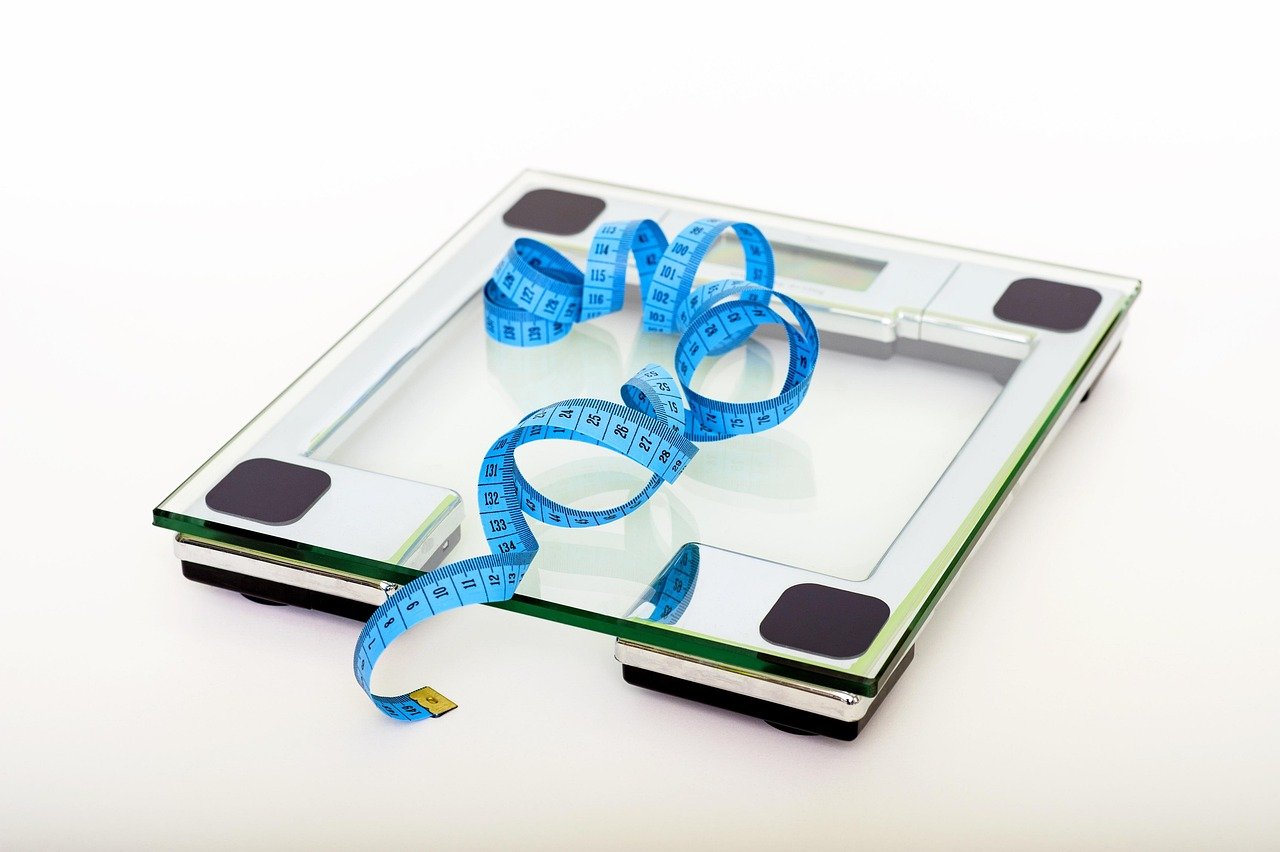
Have you ever stepped on a traditional bathroom scale, seen the number, and felt… well, absolutely nothing useful? That’s the costly mistake many of us make, relying solely on a single number that tells us very little about our actual health or fitness progress. In 2026, relying on just your body weight for health tracking is like trying to navigate a complex city with only a compass: it gives you direction, but none of the crucial details you need to actually get anywhere. That’s where the best smart scales for home use come in, transforming a simple measurement into a wealth of actionable data to help you truly understand your body and track your progress.
Affiliate Disclosure: As an Amazon Associate, we earn from qualifying purchases made through links on this page. We only recommend products we genuinely believe in.
Key Takeaways for Smart Scales
- Beyond Weight: Smart scales measure not just weight, but also body fat, muscle mass, BMI, bone mass, and water percentage.
- Seamless Integration: Most top models sync effortlessly with popular fitness apps like Apple Health, Google Fit, and Fitbit, creating a holistic view of your health data.
- Consistency is Key: For the most accurate and useful readings, use your smart scale at the same time each day, ideally in the morning before eating or drinking.
- User-Friendly Design: Modern smart scales are designed with multiple user profiles, making them perfect for families or shared living spaces.
- Privacy Matters: Always check a scale’s privacy policy, especially for models that store data in cloud services.
Table of Contents
- What Exactly Are Smart Scales and Why Do We Need Them?
- How Do Smart Scales Track Your Progress? Beyond Just Weight.
- What Should You Look For in the Best Smart Scales for Home Use?
- Our Top Picks for Best Smart Scales on Amazon in 2026
- Are Smart Scales Truly Accurate for Body Composition?
- Making the Most of Your Smart Scale Data for Weight Loss and Health.
- Frequently Asked Questions About Smart Scales.
Our Top Smart Scale Picks: Comparison Table
| Product | Best For | Price Band | Standout Feature |
|---|---|---|---|
| Withings Body Comp | Overall Health & Wellness Tracking | Premium | Cardiovascular Health Metrics |
| Withings Body Scan | Advanced Body Composition Analysis | Premium | Segmental Body Composition & Nerve Health |
| RENPHO Smart Scale ES-26R | Budget-Conscious Users | Budget | Exceptional Value & App Compatibility |
| Eufy Smart Scale P2 Pro | Comprehensive Metrics & App Integration | Mid | 16 Body Measurements & 3D Virtual Body Modeling |
| Garmin Index S2 | Garmin Ecosystem Users & Athletes | Premium | Seamless Garmin Connect Integration |
| Wyze Scale S | Solid Performance on a Mid-Range Budget | Mid | Good Accuracy & Multi-User Support |
What Exactly Are Smart Scales and Why Do We Need Them?
Smart scales are more than just devices that measure your body weight. They are sophisticated health monitoring tools that use Bioelectrical Impedance Analysis (BIA) technology to estimate various body composition metrics. This means when you step on a smart scale, a tiny, safe electrical current runs through your body, and based on the resistance it encounters, the scale’s algorithms can then calculate estimates for things like body fat percentage, muscle mass, bone mass, and body water percentage. We need them because simple weight readings don’t tell the whole story; two people of the same weight can have vastly different body compositions, and thus, different health profiles.
Think of it this way: your overall health and fitness journey is a complex narrative, not just a single data point. Smart scales provide the chapters, offering insights into how your diet, exercise, and lifestyle choices are truly affecting your body internally. For anyone serious about understanding their physical condition beyond just numbers on a dial, a modern smart scale is an indispensable tool in 2026. It integrates seamlessly into your digital health ecosystem, much like the best tech accessories for digital nomads enhance productivity on the go, making health tracking an effortless part of your daily routine.
How Do Smart Scales Track Your Progress? Beyond Just Weight.
The real magic of smart scales lies in their ability to deliver a comprehensive suite of body composition metrics directly to your smartphone app. When you’re trying to achieve weight loss or improve your fitness, just knowing your overall weight can be misleading. For instance, if you’re building muscle, your weight might stay the same or even increase, even as you’re losing fat and getting fitter. A traditional scale wouldn’t show this positive change, which can be incredibly demotivating.
A high-quality smart scale provides a breakdown including Body Mass Index (BMI), body fat percentage, muscle mass, bone mass, and body water percentage. These metrics are crucial for understanding whether you’re losing fat, gaining healthy muscle, or simply fluctuating in water weight. For serious fitness enthusiasts who track every workout with the best GPS running watches, having this complementary body composition data paints a much clearer picture of overall physical transformation. The accompanying app often presents this data in easy-to-read graphs and charts, allowing you to visualize trends over time and adjust your health regimen accordingly.
What Should You Look For in the Best Smart Scales for Home Use?
Choosing the right smart scale for your home isn’t just about finding the cheapest option on Amazon; it’s about investing in a tool that truly supports your health journey. Here’s what I always recommend people prioritize:
- Accuracy and Consistency: This is paramount. While BIA is an estimation, a good smart scale will provide consistent readings. Look for models with good user reviews on long-term consistency.
- App Compatibility and Ecosystem Integration: Does it sync with Apple Health, Google Fit, Fitbit, or other popular health apps you already use? Seamless integration simplifies data management and gives you a holistic view of your health.
- Metrics Offered: Beyond weight, consider what other metrics are important to you. Basic models might only offer BMI and body fat, while premium smart scales can track everything from visceral fat to nerve health.
- User Profiles: For families or shared living spaces, multiple user profiles are a must. The best smart scales automatically recognize who’s stepping on, sending data to the correct profile.
- Connectivity: Most scales use Bluetooth, but Wi-Fi connectivity allows for automatic syncs without needing your phone nearby, which is a huge convenience.
- Design and Durability: A sleek, modern design that fits your bathroom aesthetic is a bonus, but robust construction is key for longevity.
- Price Band: Smart scales range from budget-friendly options under $30 to premium models exceeding $200. Determine your budget but remember that quality often correlates with more advanced features and better accuracy.
- Privacy Policy: Since you’re sharing sensitive health data, it’s wise to review the brand’s privacy policy, especially if data is stored in the cloud.
Our Top Picks for Best Smart Scales on Amazon in 2026
Best Overall Smart Scale: Withings Body Comp
Best for: Overall Health & Wellness Tracking, Cardiovascular Insights
The Withings Body Comp stands out as a top contender for the best smart scales on the market in 2026, and for good reason. It offers an impressive array of health metrics beyond basic body composition, including Pulse Wave Velocity (PWV) for arterial health and EKG for atrial fibrillation detection. If you’re looking for a scale that offers a more holistic view of your cardiovascular health alongside weight and body composition, this is an excellent choice for home use.
- Pros:
- Tracks comprehensive cardiovascular metrics like PWV and EKG.
- Excellent accuracy and consistency in readings.
- Seamless integration with the user-friendly Withings Health Mate app.
- Cons:
- Premium price point, which might be a barrier for some budgets.
- Some advanced features require a subscription to unlock full insights.
Premium Smart Scale for Advanced Data: Withings Body Scan
Best for: In-depth Body Composition, Nerve Health Tracking
For those who demand the absolute peak of home health monitoring, the Withings Body Scan is the ultimate premium smart scale. This device goes far beyond typical body composition analysis, offering segmental body composition (reading individual body parts) and even nerve health assessment. It’s an advanced piece of technology designed for detailed insights, making it ideal for athletes, those with specific health concerns, or anyone wanting the most comprehensive data possible from a smart scale review.
- Pros:
- Segmental body composition for precise fat and muscle distribution.
- Nerve health assessment, a unique feature for a home scale.
- Exceptional build quality and highly accurate measurements.
- Cons:
- Significantly higher price point, a substantial investment.
- The sheer volume of data might be overwhelming for casual users.
Best Budget-Friendly Smart Scale: RENPHO Smart Scale ES-26R
Best for: Budget-conscious users seeking reliable basic metrics
You don’t need to break the bank to get a good smart scale for weight loss and health tracking. The RENPHO Smart Scale ES-26R consistently delivers excellent value, providing 13 essential body composition metrics at an incredibly affordable price. It connects via Bluetooth to the RENPHO app, which is surprisingly robust and compatible with popular fitness platforms like Apple Health, Google Fit, and Fitbit. This is proof that effective home smart scales don’t have to be expensive.
- Pros:
- Very affordable, making smart tracking accessible to everyone.
- Provides 13 key body composition measurements.
- User-friendly app syncs with major health platforms.
- Cons:
- Relies solely on Bluetooth connectivity, no Wi-Fi option.
- Some users report less premium build quality compared to higher-end models.
Best for Comprehensive Metrics & App Integration: Eufy Smart Scale P2 Pro
Best for: Users wanting extensive data and virtual body modeling
Anker’s eufy brand brings us the Eufy Smart Scale P2 Pro, a mid-range smart scale that punches well above its weight class in terms of feature set. It tracks an impressive 16 body measurements and offers a unique 3D Virtual Body Model feature within its EufyLife app, allowing you to visualize your body’s changes over time. This makes tracking your physical transformation much more engaging and intuitive. It’s an excellent choice if you’re looking for a smart scale that integrates well with other health devices.
- Pros:
- Tracks 16 different body composition metrics.
- Innovative 3D Virtual Body Model for visual progress tracking.
- Wi-Fi and Bluetooth connectivity for flexible syncing.
- Cons:
- Some users report occasional calibration issues requiring re-sync.
- The 3D model feature can be a bit slow to generate at times.
Best for Garmin Ecosystem Users & Athletes: Garmin Index S2
Best for: Seamless integration into the Garmin Connect ecosystem
If you’re already deeply invested in the Garmin ecosystem, perhaps with one of the best GPS running watches, then the Garmin Index S2 is the obvious choice for your smart scale needs. It offers accurate weight, BMI, body fat, skeletal muscle mass, bone mass, and body water percentage, all syncing effortlessly to your Garmin Connect account. This allows for a unified view of your activity, performance, and body composition data in one place, streamlining your overall health tracking. The high-resolution color display is also a nice touch.
- Pros:
- Flawless integration with Garmin Connect platform.
- Supports up to 16 users, automatically recognizing each one.
- Clear, high-resolution color display for quick readings.
- Cons:
- Not the most feature-rich for non-Garmin users at its price point.
- Initial setup can be a bit finicky for some.
A Solid Mid-Range Performer: Wyze Scale S
Best for: Value-packed performance for general home use
Wyze has made a name for itself by offering smart home devices that punch above their weight in terms of features and affordability, and the Wyze Scale S is no exception. This home smart scale provides 10 essential body composition metrics and connects to the intuitive Wyze app, which also manages other Wyze smart devices. It’s a fantastic option if you’re looking for a reliable smart scale for weight loss and general health monitoring without spending a fortune. The design is simple and clean, fitting into most bathroom aesthetics easily.
- Pros:
- Excellent price-to-performance ratio for a smart scale.
- Connects with the versatile Wyze ecosystem and third-party apps.
- Supports up to 8 users with automatic recognition.
- Cons:
- Lacks some of the advanced metrics found in premium scales.
- Bluetooth-only connectivity, no Wi-Fi option.
Are Smart Scales Truly Accurate for Body Composition?
This is a common and fair question when discussing smart scales. The truth is, while smart scales provide valuable insights and excellent trend tracking, their body composition measurements (like body fat percentage) are estimates. They rely on Bioelectrical Impedance Analysis (BIA), which can be influenced by factors like hydration levels, skin temperature, and even when you last ate. For instance, a study published in the Journal of Strength and Conditioning Research in 2011 highlighted how BIA measurements could vary based on different conditions. Therefore, while useful for tracking progress over time, they shouldn’t be seen as a clinical diagnostic tool. The real strength of smart scales lies in their consistency in showing changes, not in absolute, single-point precision compared to medical-grade DEXA scans.
Making the Most of Your Smart Scale Data for Weight Loss and Health.
Acquiring one of the best smart scales is just the first step. To truly leverage its potential for weight loss and improved health, you need to understand how to interpret and act on the data. First, establish a routine: weigh yourself at the same time every day, preferably in the morning before eating or drinking, after using the bathroom. This minimizes daily fluctuations and provides the most consistent baseline. Don’t obsess over a single day’s numbers; instead, look at the weekly and monthly trends presented in your scale’s companion app.
Focus on the composition metrics. Are you gaining muscle while losing fat? That’s a win, even if the total weight hasn’t shifted much. Are your hydration levels consistent? Understanding these nuances helps you tailor your diet and exercise. For example, if you see a dip in muscle mass, you might consider increasing your protein intake or adjusting your strength training. Integrating your smart scale data with other health apps, such as those you might use with Apple’s HomeView Smart Home technology, can provide an even more comprehensive view of your overall wellness, linking sleep, activity, and body composition for a truly holistic approach. Use your smart scale as a guide, not a judge, to make informed decisions about your health journey.
Ultimately, investing in one of the best smart scales for home use in 2026 is about taking control of your health narrative. It’s about moving past a single, often discouraging, number and embracing a richer, more detailed understanding of your body’s changes. Whether you’re aiming for weight loss, muscle gain, or simply a better sense of overall wellness, a smart scale provides the data-driven insights you need to track your progress effectively and make informed decisions on your journey. Pick the one that fits your budget and your health goals on Amazon, and start seeing the bigger picture today.
Frequently Asked Questions About Smart Scales.
Can I use a smart scale if I have a pacemaker or other medical implant?
No, it is generally recommended that individuals with pacemakers, implanted defibrillators, or other electronic medical implants avoid using smart scales that employ Bioelectrical Impedance Analysis (BIA). The small electrical current, though typically safe, could potentially interfere with the function of these devices, posing a health risk. Always consult your doctor before using any new health tracking device if you have such implants.
How often should I weigh myself on a smart scale for optimal tracking?
For optimal tracking and to observe trends, weighing yourself daily at the same time is usually recommended. Most experts suggest stepping on the scale first thing in the morning, after using the restroom and before eating or drinking anything. This consistency helps minimize daily fluctuations due to food, water intake, or physical activity, allowing you to focus on weekly or monthly averages and trends in your body composition data rather than daily shifts.
Do smart scales work on carpets or only hard surfaces?
For accurate and consistent readings, most smart scales need to be placed on a hard, flat surface like tile or hardwood flooring. Using a smart scale on carpet or an uneven surface can lead to skewed measurements, particularly for body composition metrics, because the scale’s sensors need stable contact. Some specialized scales might include carpet feet attachments, but generally, a solid surface is best.
What is the typical battery life of a smart scale?
The typical battery life of a smart scale varies significantly depending on the model, brand, and type of batteries used (disposable AA/AAA vs. rechargeable lithium-ion). Generally, smart scales powered by disposable batteries can last anywhere from six months to a year, or even longer with less frequent use. Rechargeable models might need charging every few months. Wi-Fi scales tend to consume more power than Bluetooth-only models, leading to slightly shorter battery life.
Can multiple people use the same smart scale?
Yes, most smart scales are designed to support multiple users, making them ideal for families or shared households. Many models can automatically recognize individual users based on their weight and body composition data, routing the measurements to the correct profile within the companion app. Some scales support anywhere from 8 to 16 users, ensuring everyone can track their personal progress without mixing up data.