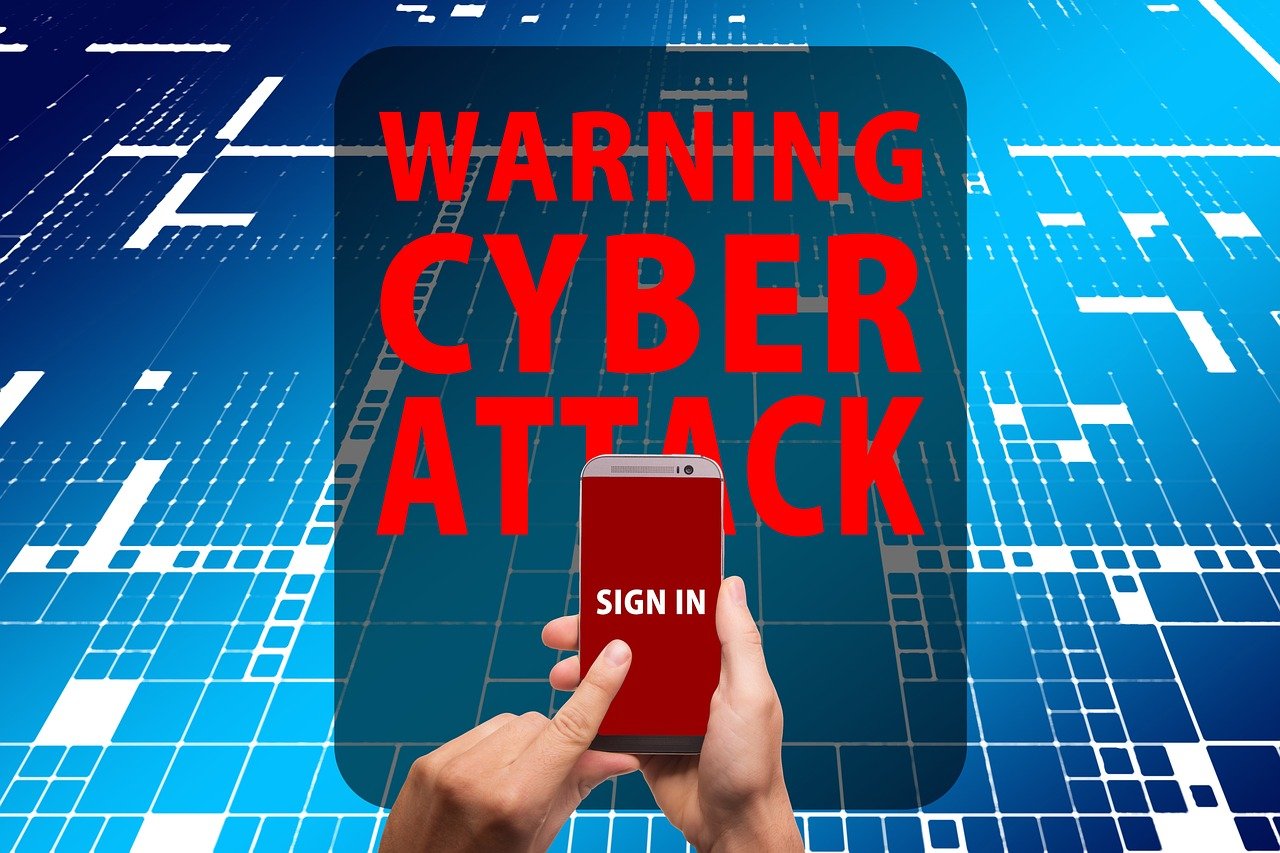
The digital world, for all its convenience and connectivity, often presents a hidden vulnerability: our personal data. A startling new report from Hacker News has unveiled a massive data breach involving several “lovable apps,” exposing highly sensitive user information. We’re talking about everything from passport details to a staggering 200,000 private messages. This isn’t just another abstract security incident; it’s a direct threat to user privacy and highlights critical flaws in app security that demand our immediate attention in 2026.
For many of us, these applications become an integral part of our daily lives, making the trust we place in them absolutely paramount. When that trust is broken, especially through a significant data leak of this magnitude, it forces us to re-evaluate how we manage our digital footprint. This incident serves as a stark reminder that even the most seemingly innocuous tools can become conduits for serious personal data exposure.
Key Takeaways
- A data breach affecting “lovable apps” led to the exposure of highly sensitive user data.
- Passport details and 200,000 private messages were among the compromised information.
- The incident underscores critical vulnerabilities in app security and user privacy protections.
- Users must take proactive steps to safeguard their personal data, including password hygiene and vigilance.
- This data leak emphasizes the ongoing need for robust cybersecurity measures by both app developers and users.
Table of Contents
- What Exactly Happened with Lovable Apps?
- Passport Details and Private Messages: What Data Was Exposed?
- Why User Privacy is a Major Concern in 2026
- How Does an App Data Leak Occur?
- Are My Private Messages Truly Private?
- Protecting Your Personal Data After a Breach
- Lessons from the Lovable Apps Data Breach
What Exactly Happened with Lovable Apps?
The “lovable apps” data breach isn’t a vague, generalized warning; it’s a concrete event detailed by Hacker News, revealing a severe lapse in cybersecurity. Researchers discovered that several applications, characterized by their widespread use and often perceived as harmless, were leaking sensitive user information. This wasn’t a targeted attack on a single high-profile individual, but a broad exposure affecting a significant number of users.
According to the report, the vulnerability allowed access to millions of user accounts and, crucially, to the deeply personal data associated with them. This kind of widespread data leak speaks volumes about the underlying infrastructure and the development practices that allowed such a flaw to persist unnoticed. The incident underscores that even platforms we trust implicitly can harbor serious security risks.
The specific “lovable apps” involved were not explicitly named in the public summary provided by Hacker News to prevent further exploitation. However, the scope of the exposure, encompassing passport details and private messages, points to applications that likely handle identity verification or facilitate direct, personal communication. This broad impact makes the “lovable apps” data breach a critical case study for understanding modern digital risks.
Passport Details and Private Messages: What Data Was Exposed?
The types of information compromised in this data breach are deeply troubling. For a data leak to include passport details is particularly alarming. Your passport isn’t just a travel document; it’s a primary form of identification, containing your full name, date of birth, place of birth, nationality, and often a photo. In the wrong hands, this information is a goldmine for identity theft, allowing criminals to open fraudulent accounts, obtain loans, or even travel under your identity.
Beyond identification, the exposure of 200,000 private messages adds another layer of profound concern regarding user privacy. These messages can contain everything from casual conversations to highly sensitive personal confessions, financial discussions, or even business secrets. The thought of such intimate communications being accessible to unauthorized parties is a serious violation of trust and personal space.
This volume of exposed private messages represents a catastrophic failure in app security protocols. It suggests that these applications either stored messages without adequate encryption, had critical vulnerabilities in their communication channels, or suffered a compromise of their database servers. Regardless of the technical vector, the outcome is a significant breach of personal data that can have lasting repercussions for affected individuals.
Why User Privacy is a Major Concern in 2026
In our increasingly connected world, user privacy isn’t just a buzzword; it’s a fundamental right and a critical component of digital trust. The “lovable apps” data breach vividly illustrates why this remains a top concern in 2026. Every piece of personal data we share online, no matter how trivial it seems, contributes to our digital identity. When that data is compromised, the downstream effects can be severe and far-reaching.
The economic impact of data breaches alone is staggering. Companies face not only regulatory fines but also significant reputational damage and the loss of customer trust. We saw this illustrated clearly when Meta faced a staggering $25 billion fine in New Mexico for its handling of user data. Such penalties highlight the increasing regulatory scrutiny and the financial consequences of failing to protect user privacy effectively.
But beyond the corporate penalties, the human cost is immeasurable. Victims of identity theft can spend years trying to undo the damage, impacting their credit scores, financial stability, and peace of mind. The psychological toll of having private messages exposed can also be devastating. This “lovable apps” incident is a stark reminder that robust cybersecurity isn’t a luxury; it’s a necessity for safeguarding individual well-being.
How Does an App Data Leak Occur?
A data leak, such as the one affecting these “lovable apps,” typically stems from one or more vulnerabilities within an application’s ecosystem. It’s not always a sophisticated hack; sometimes, it’s due to simple misconfigurations or overlooked security practices. A common culprit is misconfigured cloud storage, where databases or file repositories are left exposed to the public internet without proper authentication. This allows anyone who stumbles upon the correct URL to access the data directly.
Another frequent cause involves flaws in the application’s code or its underlying infrastructure. For example, insecure APIs (Application Programming Interfaces) can create loopholes that attackers can exploit to bypass security controls. Similarly, outdated software components with known vulnerabilities can provide easy entry points. Ensuring software reliability is a continuous battle, and even seemingly minor bugs can have catastrophic consequences for data security. This is why advancements like DeepMind AlphaProof Code, designed to boost software reliability, are so critical in today’s development landscape.
Weak access management within a company can also contribute to a data leak. If too many employees have access to sensitive databases, or if their credentials are not properly secured, it increases the risk of accidental exposure or malicious insider activity. The chain of custody for data, from collection to storage and processing, must be rigorously protected at every stage to prevent such incidents.
Are My Private Messages Truly Private?
It’s a common misconception that if an app claims to offer “private messaging,” your communications are automatically secure and inaccessible to anyone but the intended recipient. The truth is more nuanced, and this recent “lovable apps” breach highlights the stark reality. While many messaging apps implement end-to-end encryption for messages in transit, the security of those messages once they reach the company’s servers for storage can vary significantly.
If an application stores your messages on its servers without strong, client-side encryption, or if those servers themselves are vulnerable, then your “private” messages are only as secure as the app’s weakest link. The exposure of 200,000 private messages from “lovable apps” indicates that, in this case, the storage or transit mechanisms were compromised, making user communications far from private. Always scrutinize an app’s privacy policy and understand its data handling practices.
Protecting Your Personal Data After a Breach
Discovering your personal data has been part of a data breach can be unsettling, but there are immediate and long-term steps you can take to mitigate the damage. The first action should always be to change your passwords, especially for any accounts that used the same password as the compromised app or for accounts that are linked to the leaked email address. Strong, unique passwords for every service are non-negotiable in 2026.
Next, enable multi-factor authentication (MFA) on all your critical accounts, including email, banking, and social media. MFA adds an extra layer of security, making it significantly harder for unauthorized individuals to access your accounts even if they have your password. Consider using a reputable password manager to help generate and store complex, unique passwords for you.
You should also monitor your financial accounts and credit reports closely for any suspicious activity. Many credit bureaus offer free credit freezes or fraud alerts, which can prevent new accounts from being opened in your name. For sensitive information like passport details, contact the relevant authorities or issuing body immediately to report the compromise and follow their advice on next steps. Proactive vigilance is your best defense against the fallout of a data leak.
Lessons from the Lovable Apps Data Breach
The incident involving “lovable apps” serves as a critical learning experience for both users and app developers. For users, it reinforces the enduring truth that convenience often comes with a privacy cost. We must become more discerning about the applications we install, the permissions we grant, and the amount of personal data we share. Always ask: “Is this app truly necessary, and do I trust it with my most sensitive information?”
For app developers and companies, this breach is a wake-up call regarding their responsibility in safeguarding user data. It highlights the urgent need for comprehensive security audits, penetration testing, and a security-first development approach. Merely offering features isn’t enough; robust cybersecurity needs to be embedded from the ground up, not as an afterthought. We’ve seen how vulnerabilities can lead to major incidents, from the “lovable apps” data leak to more specific threats like the ChatGPT account takeover vulnerability uncovered by researchers.
The industry must move towards a model where app security and user privacy are central to product design and operational processes. This includes implementing strong encryption for data at rest and in transit, regular security patching, and clear, transparent communication with users in the event of any compromise. Ultimately, building and maintaining user trust requires an unwavering commitment to protecting their most valuable asset: their personal data.
The “lovable apps” data breach is a sobering reminder that our digital lives are constantly at risk. While the convenience of these applications is undeniable, the exposure of passport details and private messages is a severe blow to user privacy. We must all remain vigilant, adopting stronger cybersecurity habits and demanding higher standards from the services we use. Only through collective awareness and proactive measures can we hope to navigate the complexities of digital security in 2026 and beyond.
FAQ
- What are Lovable Apps?
The term “lovable apps” refers to applications that are widely used, often integrated into daily routines, and generally perceived as harmless or trustworthy by their users. In the context of this data breach, specific app names were not publicly disclosed by Hacker News to prevent further exploitation, but they are characterized by the sensitive nature of the data they handled. - How do I know if my data was part of this breach?
While specific notification details are not available for this particular breach, typically, companies involved in a data breach are legally obligated to inform affected users. You should monitor your email for official notifications, check reputable data breach notification services, and scrutinize your online accounts for unusual activity. - What risks come with exposed passport details?
Exposed passport details pose significant risks, primarily identity theft. Malicious actors can use this information to open fraudulent bank accounts, apply for credit cards or loans, obtain government benefits, or even travel under your identity. It can lead to long-term financial and legal complications. - Should I delete apps that ask for sensitive information?
Not necessarily, but you should exercise extreme caution. Before installing any app that requests sensitive information like passport details or access to private messages, thoroughly research the developer, read reviews, and carefully review its privacy policy. Understand exactly why the app needs that data and how it protects it. - What is the difference between a data breach and a data leak?
While often used interchangeably, a “data breach” typically refers to an intentional and unauthorized access to data, usually by a malicious actor. A “data leak” often implies unintentional exposure of data due to misconfiguration, negligence, or an unpatched vulnerability, without necessarily involving an active hack. The “lovable apps” incident appears to lean towards a data leak due to vulnerabilities. - What role does app security play in user privacy?
App security is foundational to user privacy. Robust security measures, such as strong encryption for data at rest and in transit, secure coding practices, regular vulnerability assessments, and strict access controls, are essential to prevent unauthorized access to personal data. Without strong app security, user privacy cannot be guaranteed. - How can I improve my overall cybersecurity?
To improve your cybersecurity, use strong, unique passwords for all accounts, enable multi-factor authentication wherever possible, keep your software updated, be wary of phishing attempts, regularly review app permissions, and use a reputable antivirus/antimalware solution. Consider using a VPN for public Wi-Fi and be cautious about sharing sensitive personal data online.
Sources
- Hacker News — Massive Data Breach: Lovable Apps Expose Passport Details and 200,000 Private Messages
- CISA — Identity Theft & Identity Fraud