Apple iOS persistent in-app advertisements are promotional notifications and banners integrated directly into the system software that encourage users to subscribe to Apple-branded services. You should care because these ads often bypass traditional “Do Not Disturb” settings and represent a fundamental shift in how premium hardware experiences are monetized in 2026.
- Users are reporting “persistent” ads within the Settings app and via system notifications for Apple Music, iCloud, and Apple TV+.
- The frustration stems from these ads appearing on high-end hardware that consumers believe should be “ad-free” after the initial purchase.
- Unlike third-party apps, these system-level prompts often require multiple clicks to dismiss and may reappear after software updates.
- Privacy advocates are questioning if Apple’s “App Tracking Transparency” standards are being applied equally to their own internal marketing.
You know, for years, the primary reason many of us paid the “Apple tax” was to escape the cluttered, ad-heavy ecosystem of budget smartphones. We bought into a promise of a clean, distraction-free environment where the software served the user rather than a data-broker or a marketing department. But lately, that experience has started to feel a bit different.
I have noticed it myself, and if you have spent any time on social media or tech forums recently, you know the sentiment is reaching a boiling point. iPhone owners are increasingly vocal about the “nagware” appearing in their Settings menus. Whether it is a red badge notification urging you to finish setting up an Apple Fitness+ trial or a persistent banner for extra iCloud storage, the Apple iOS experience is beginning to feel uncharacteristically crowded.
As TechRadar reported, this trend of adding persistent ads to iOS is driving long-time loyalists to the brink of frustration. The core of the complaint is simple: when you spend $1,000 on a smartphone, you expect to own the interface, not to be a captive audience for the manufacturer’s upsells.
- What are persistent in-app ads on iPhone?
- How Apple delivers system-level advertisements
- Why user complaints are peaking in 2026
- The double standard of App Tracking Transparency
- Apple ads vs. Android bloatware
- How to minimize ads in your iOS settings
What are persistent in-app ads on iPhone?
In the context of the iPhone, persistent ads are not typical pop-up windows or video interstitials found in mobile games; rather, they are “suggestions” embedded into the mobile operating system itself. These usually take the form of red notification dots on the Settings icon that cannot be cleared until the user interacts with a pitch for services like AppleCare+ or Apple Arcade.
The term “persistent” is used because these prompts often return even after they have been dismissed. If you decline an iCloud+ storage upgrade today, the system may decide to “remind” you again in three weeks or immediately after you install a point-release update. This creates a psychological fatigue where the user feels they are constantly in a defensive battle with their own device settings.
We are seeing these ads expand beyond just the Settings app. They are appearing in the App Store search results, within the News and Stocks apps, and increasingly as push notifications that mimic urgent system alerts. For a company that once mocked competitors for including “crapware,” the inclusion of first-party marketing inside core utilities feels like a significant departure from their founding principles.
How Apple delivers system-level advertisements
Apple utilizes a proprietary delivery system for these prompts that operates at a higher privilege level than third-party applications. While you can easily revoke notification permissions for a social media app, you cannot entirely “mute” the Settings app. This architecture allows Apple to place marketing content in high-traffic areas where users are conditioned to look for important security updates.
Specifically, the iOS platform uses “Server-Side Configuration” to trigger these ads. This means Apple can remotely enable a new promotional banner for a holiday sale on Apple Music without needing you to download a software update. It makes the interface feel dynamic, but not in a way that benefits the person holding the phone.
Think about it this way: if a third-party developer tried to put a non-dismissible banner at the top of their app’s settings menu to sell a different product, they might face rejection during the App Store review process. However, because Apple controls the hardware, the software, and the store, they can bypass these aesthetic and functional guidelines for their own benefit.
Why user complaints are peaking in 2026
The year 2026 has seen a shift in how user complaints are handled, with more people realizing that their “premium” experience is being eroded by the push for services revenue. As hardware sales plateau globally, Apple has pivoted hard toward its Services division, which includes everything from the App Store to subscription bundles. This pivot requires aggressive conversion tactics.
One specific pain point is the “limited time offer” tactic. Users frequently report seeing banners for “3 Months Free of Apple TV+” that sit at the top of the Settings app for weeks. Even if you have zero interest in the service, the banner stays, pushing your actual device controls further down the screen. It is an intrusion into the workflow of someone simply trying to check their battery health or update their Wi-Fi password.
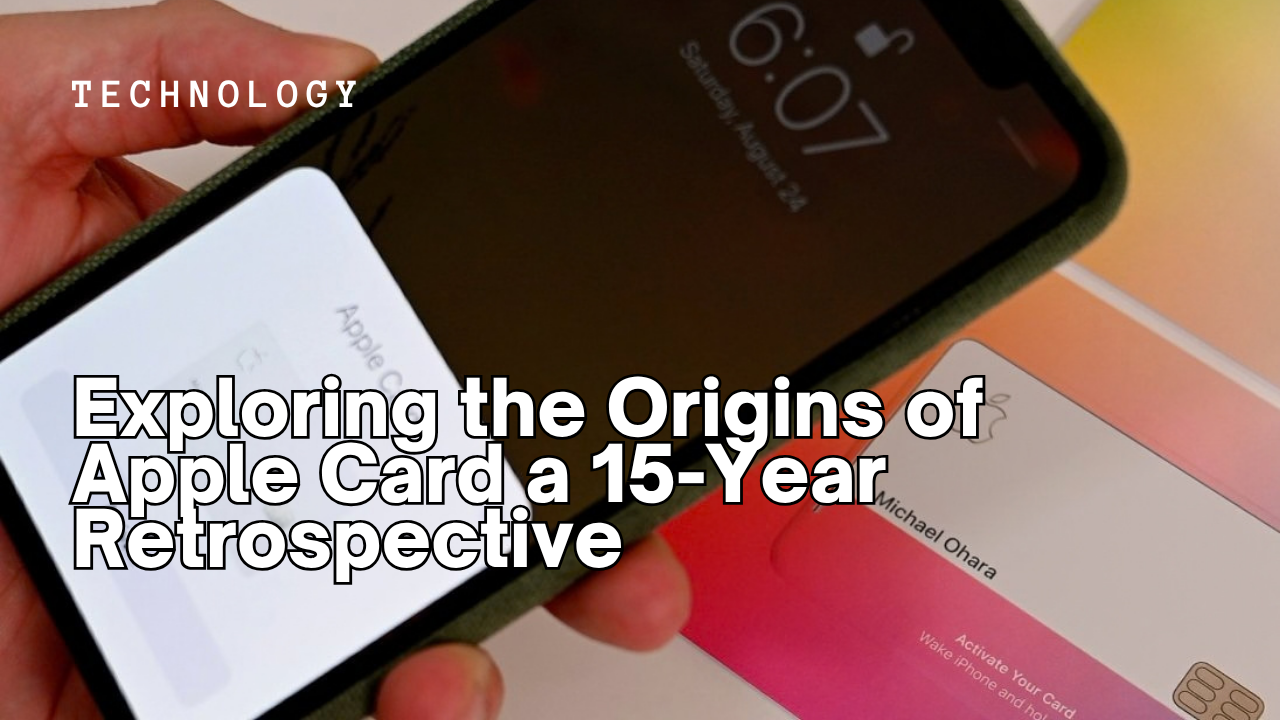
And let’s be honest, the timing is often terrible. Look, no one wants to see an ad for a credit card (Apple Card) while they are troubleshooting a Bluetooth connection. The friction created by these persistent prompts is starting to outweigh the convenience of the integrated ecosystem for many power users. It is reminiscent of the privacy concerns we saw when LG Smart TVs were caught logging data; while the stakes are different, the feeling of “losing control” over a purchased product is identical.
Is Apple turning iOS into an ad-supported platform?
While Apple is not yet running traditional third-party display ads across the entire iPhone interface, the platform has undeniably moved toward an ad-supported model for its own services. By utilizing the most valuable real estate on the device, the Settings menu and the top of the App Store, Apple is leveraging its mobile operating system to create a multi-billion dollar internal advertising agency. This shift suggests that the purchase price of the phone is no longer enough to guarantee a clean software experience, as Apple increasingly views the user as a recurring revenue stream rather than a one-time customer.
The double standard of App Tracking Transparency
There is a growing debate regarding the ethics of Apple’s App Tracking Transparency (ATT). When ATT launched, Apple marketed it as a win for consumer privacy, allowing users to opt-out of being tracked by apps like Facebook or Instagram. However, critics argue that Apple’s own advertising network operates on a different set of rules.
Because Apple owns the entire stack, they can track your behavior across their own apps, what music you like, what news you read, what apps you download, and use that data to target these “persistent ads” without needing to ask for permission in the same way a third-party dev would. This has led to accusations of anti-competitive behavior. If you are interested in the broader implications of tech giants and data, you might find our coverage of data privacy and government investigations relevant.
Is it truly privacy if the data just stays within one giant silo instead of being shared between three? For the average iPhone user, the distinction feels academic when the result is still a targeted ad appearing in their personal space. The “Apple” way used to be about simplicity; now, it feels like it is about “optimization” of the user’s wallet.
Apple ads vs. Android bloatware
Historically, the “bloatware” problem was an Android issue. You would buy a phone from a carrier, and it would come pre-loaded with half a dozen games and apps you didn’t want. Apple was the antidote to that. But in 2026, the roles have shifted slightly. While Android still has its issues, many of the API changes in recent versions have actually made it easier to disable system-level prompts.
| Feature | Apple iOS Approach | Android 17+ Approach |
|---|---|---|
| Settings Ads | Integrated, non-removable banners. | Mostly restricted to carrier variants. |
| Notification Opt-out | Impossible for core system alerts. | Notification categories allow muting. |
| Persistence | High; returns after updates. | Moderate; varies by manufacturer. |
As we noted in our analysis of Android 17 API changes, the open-source nature of AOSP at least allows for community-driven workarounds. With Apple, you are locked into their aesthetic choices. If they decide the top of your screen belongs to a trial for Apple Arcade, that is where it stays.
How to minimize ads in your iOS settings
While you cannot currently “hack” the Settings app to remove all ads without jailbreaking (which we do not recommend for security reasons), there are a few steps you can take to reduce the noise. The first is to dive into your Apple ID settings. Often, these prompts are tied to “Personalized Improvements” or “Apple Communications.”
- Go to Settings > [Your Name] > Media & Purchases > View Account. Look for “Personalized Recommendations” and toggle it off.
- Navigate to Settings > Privacy & Security > Apple Advertising and turn off “Personalized Ads.”
- For the red badges, sometimes the only way to clear them is to click through the offer and then immediately exit once the App Store page opens.
The most effective, albeit frustrating, solution is to simply ignore the badges until they expire, though Apple has designed them to be as eye-catching as possible. It is a game of digital chicken. Will you give in and subscribe just to make the red dot go away? That is exactly what the “nudging” design is hoping for.
Looking forward, it is clear that the iPhone is no longer just a tool; it is a storefront. Whether Apple listens to the growing chorus of user complaints remains to be seen. In an era where even our luxury towels are chosen via expert picks on Amazon, we have become accustomed to being “sold” at every turn. But the operating system of our most personal device should, perhaps, be the one place where the sales pitch finally stops.
Sources
- TechRadar, Apple has added persistent ads to iOS and its driving users crazy
- The Verge, Tracking the shift in Apple’s Services revenue strategy
Frequently Asked Questions
Why does my iPhone have a red dot on Settings that won’t go away?
This is usually a “persistent” prompt from Apple encouraging you to finish setting up a service like Apple Pay, iCloud+, or a free trial for Apple Music. To clear it, you often have to click the notification and then either complete the setup or explicitly decline the offer on the following screen. In some cases, the badge may persist until a specific “limited time offer” expires.
Can I turn off all ads in the iOS Settings app?
Currently, there is no single master switch to disable all first-party promotions within the iOS Settings app. You can reduce their frequency by turning off “Personalized Recommendations” in your Apple ID settings and “Personalized Ads” under Privacy & Security. However, Apple still reserves the right to show system-level suggestions for its own services as part of the core OS experience.
Do these ads appear on all iPhone models?
Yes, these persistent in-app advertisements are tied to the iOS version rather than specific hardware. Whether you are using an older iPhone 13 or the latest 2026 flagship, you will encounter the same system-level prompts if you are running a recent version of the mobile operating system. The frequency of these ads often increases if you are not currently subscribed to Apple’s bundle of services, known as Apple One.
Is Apple’s use of ads in Settings legal?
Generally, yes, as it falls under the Terms of Service you agree to when setting up the device. However, regulatory bodies in the EU and the US are increasingly looking at “dark patterns”, design choices that trick or coerce users into taking actions, and whether Apple’s self-preferencing of its own services violates antitrust laws. As of 2026, these prompts remain a standard, if controversial, part of the ecosystem.
Do these notifications bypass “Do Not Disturb” mode?
Many users report that certain system-level badges and prompts appear even when Focus modes or Do Not Disturb are active. While they might not always trigger an audible alert, the visual clutter (like the red badge) remains present. This is because Apple classifies these as “System Alerts” rather than standard app notifications, giving them priority over user-defined silence settings.
Why is Apple adding ads to a premium product?
The primary driver is the shift toward a Services-based business model. As hardware life cycles get longer and people upgrade their iPhone less frequently, Apple relies on recurring subscription revenue from iCloud, Music, and TV+ to maintain growth. Using the mobile operating system as a marketing channel is the most direct way to reach their entire user base without paying for external advertising.