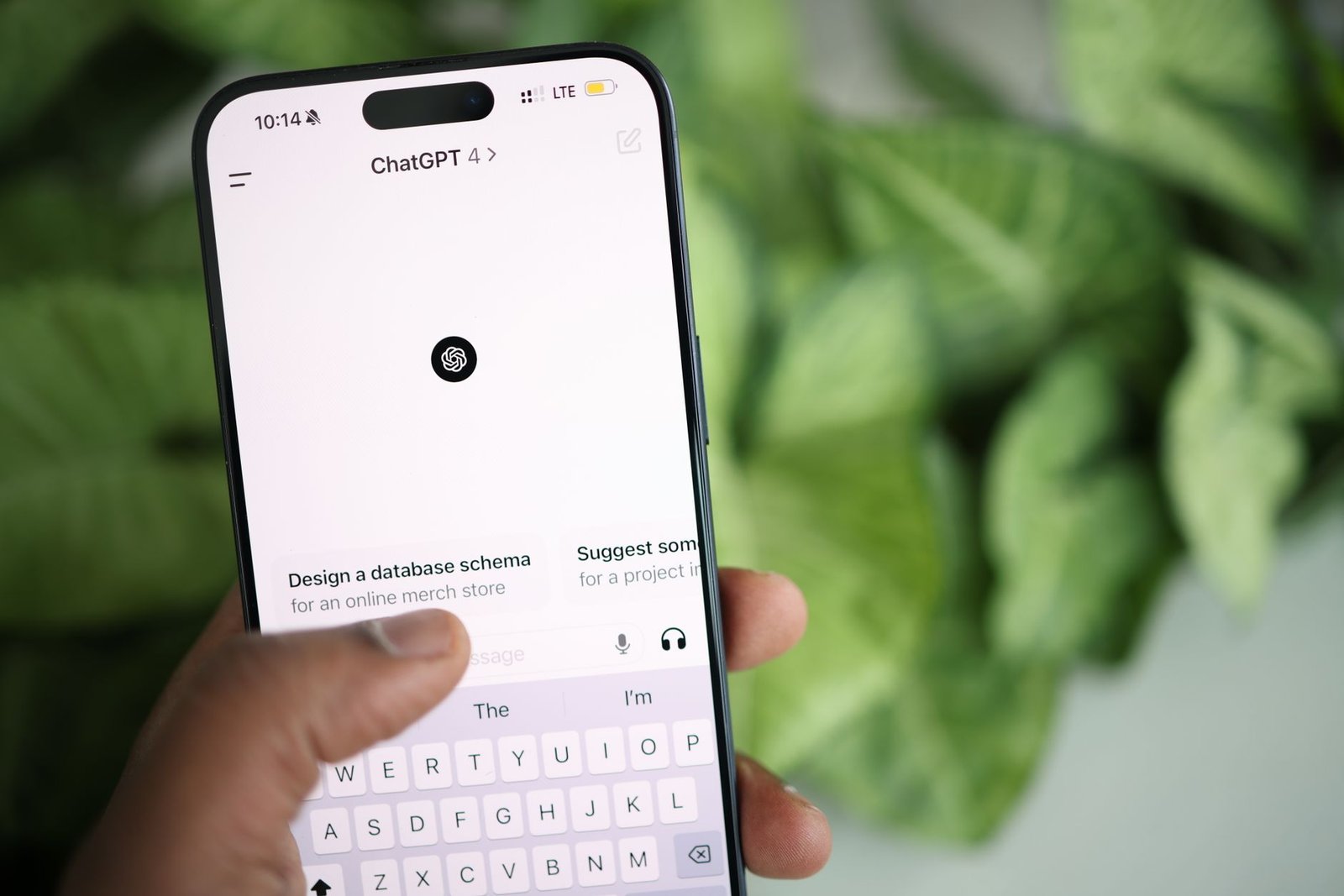
A significant ChatGPT account takeover vulnerability has been uncovered, posing a direct threat to user data and raising serious questions about the broader implications for AI security. This isn’t just another patch; it’s a stark reminder that even the most advanced AI platforms are susceptible to the foundational weaknesses of web security.
Many discussions around AI security often focus on existential risks or malicious AI agents, but the truth is, some of the most immediate and tangible threats come from familiar territory: classic account takeover techniques applied to new technologies. And honestly, for many users, that’s a far more personal concern than some distant “Skynet” scenario.
Key Takeaways
- A critical ChatGPT vulnerability allowed attackers to seize user accounts without needing their passwords.
- The flaw leveraged session fixation, bypassing traditional authentication safeguards.
- This incident highlights the importance of robust cybersecurity practices, even with cutting-edge AI platforms.
- Users should remain vigilant and apply best practices like strong, unique passwords and multi-factor authentication.
- OpenAI has addressed the reported vulnerability, but the incident serves as a crucial lesson for the evolving AI landscape in 2026.
Table of Contents
- What is the ChatGPT Account Takeover Vulnerability?
- How Did Researchers Uncover This OpenAI Security Flaw?
- What Are the Risks of an AI Security Breach?
- Common Misconceptions About ChatGPT Vulnerabilities
- Real-World Implications: Beyond Individual Accounts
- Protecting Yourself From Account Takeover: Essential Cybersecurity Steps
- Frequently Asked Questions About ChatGPT Security
What is the ChatGPT Account Takeover Vulnerability?
The ChatGPT account takeover vulnerability was a serious security flaw discovered in OpenAI’s popular AI chatbot platform that could allow unauthorized individuals to gain complete control over a user’s account without knowing their password. This specific issue, reported by security researchers from Parameter.AI, centered on a session fixation flaw, a well-known but often overlooked vulnerability in web applications. The core problem was that an attacker could force a user’s browser to adopt a session ID chosen by the attacker, effectively giving the attacker control over that session once the legitimate user logged in.
Think about it like this: Imagine you walk into a coffee shop, and someone hands you a pre-filled loyalty card instead of your own. When you pay for your coffee, your transaction is credited to their card, not yours. That’s essentially what was happening, but with your digital identity on ChatGPT.
This isn’t a bug where a hacker guesses your weak password, or rather, where a bad actor simply gets lucky. This is a systemic flaw that, when exploited, could grant full access, exposing chat histories, personal data, and potentially linked subscription details. The discovery of such a fundamental security gap in a platform as widely used as ChatGPT underscores the constant, critical need for rigorous security audits, even for applications at the forefront of AI innovation.
How Did Researchers Uncover This OpenAI Security Flaw?
Security researchers at Parameter.AI meticulously investigated OpenAI’s ChatGPT platform, uncovering the session fixation vulnerability through dedicated analysis. Their method involved observing how user sessions were managed during the login process.
According to their report shared on Hacker News, the flaw manifested when an unauthenticated user could initiate a session with the ChatGPT web application, receive a session ID, and then maliciously inject that specific session ID into another user’s browser. When the second, legitimate user then proceeded to log in, their authentication would validate against the pre-set, attacker-controlled session. This meant the attacker could simply refresh their browser, and suddenly, they would be logged in as the victim. It’s a classic attack vector, but its presence in a modern, high-profile application like ChatGPT caught many off guard.
This kind of detailed security research is incredibly valuable. It proactively identifies weaknesses before they can be widely exploited, bolstering overall cybersecurity defenses. It’s a crucial part of the ongoing battle against evolving digital threats, reminding us that even in the age of advanced AI, fundamental web security principles remain paramount. For instance, we’ve seen similar, foundational issues in other platforms, such as the LiteLLM PyPI Compromise Credential Stealer, where a simple package compromise led to widespread credential theft.
What Are the Risks of an AI Security Breach?
The risks associated with an AI security breach, particularly an account takeover on a platform like ChatGPT, are substantial and multi-faceted. Beyond the immediate compromise of personal data, an attacker gaining control of a ChatGPT account could access sensitive conversational history, potentially revealing proprietary business information, personal details, or even confidential project data that users might have discussed with the AI. The unique nature of AI interaction means that an attacker could also manipulate the victim’s stored AI preferences or even use the account to generate malicious content, impersonating the legitimate user.
Consider the potential for social engineering. If a bad actor can access your ChatGPT history, they learn about your interests, work, and communication style. This information could then be leveraged in highly targeted phishing attacks against you or your contacts. It’s a goldmine for those looking to exploit trust and information.
Now, a common misconception is that AI platforms are somehow inherently more secure due to their advanced nature. Actually, the integration of AI doesn’t magically remove traditional web application vulnerabilities. Instead, it adds new layers of complexity, making the attack surface larger and potentially harder to secure. This ChatGPT vulnerability is a powerful illustration of that point. It’s not just about the AI itself, but the entire infrastructure it operates within.
Common Misconceptions About ChatGPT Vulnerabilities
One prevalent misconception about vulnerabilities in platforms like ChatGPT is that they are always the result of sophisticated, never-before-seen hacking techniques. Many assume that AI systems demand entirely new forms of defense. The truth is often more mundane, yet no less dangerous.
As this recent discovery shows, the ChatGPT account takeover vulnerability was rooted in session fixation, a classic web security flaw known for decades. It wasn’t a novel AI-specific exploit that leveraged the large language model’s capabilities directly. This highlights that fundamental web application security practices remain crucial, even for cutting-edge AI services. Another myth is that only enterprise-level or paid accounts are targeted. In reality, any account with exploitable weaknesses can become a target, regardless of its subscription tier or perceived value.
We often forget that the “AI” part sits atop a conventional web application stack. That stack still needs the same stringent security measures as any banking portal or e-commerce site. The focus on futuristic AI threats can sometimes overshadow the persistent risks posed by well-understood, older vulnerabilities, creating a dangerous blind spot for both users and developers.
Real-World Implications: Beyond Individual Accounts
The real-world implications of a ChatGPT account takeover extend far beyond an individual losing access to their chat history. Imagine a scenario where a corporate account, used for drafting confidential reports or analyzing market data, is compromised. An attacker could exfiltrate sensitive company information, intellectual property, or even inject misinformation into AI-generated content that then gets published internally or externally. The potential for industrial espionage or widespread disinformation campaigns, facilitated by compromised AI accounts, is a serious concern for businesses leveraging these tools.
In 2026, many organizations rely heavily on AI tools like ChatGPT for everything from coding assistance to content generation and strategic planning. A breach of this nature could lead to significant financial losses, reputational damage, and legal liabilities. It also underscores the need for robust internal security policies around AI tool usage, not just the technical security of the platform itself. We’ve already seen the ripple effects of security incidents involving AI agents, such as when OpenAI agents breached Hugging Face security, demonstrating how vulnerabilities in one part of the AI ecosystem can impact others.
Of course, there’s a trade-off. While enhanced security measures are essential, they can sometimes add friction to the user experience. Implementing multi-factor authentication for every single session, for example, might deter casual users. The challenge for platforms like OpenAI is to find that delicate balance: providing ironclad security without making their powerful AI tools cumbersome to use for the average person. It’s not an easy tightrope walk, but it is one that absolutely must be navigated carefully to maintain user trust and adoption.
Protecting Yourself From Account Takeover: Essential Cybersecurity Steps
Given the persistent threat of account takeovers, implementing robust cybersecurity practices for your ChatGPT and other online accounts is non-negotiable. Here are some critical steps you should take right now to protect yourself:
- Enable Multi-Factor Authentication (MFA): This is arguably the most effective defense against account takeovers. Even if an attacker somehow gets your password or hijacks your session, MFA acts as a second barrier, typically requiring a code from your phone or a hardware key.
- Use Strong, Unique Passwords: Reusing passwords across different services is an open invitation for credential stuffing attacks. Utilize a password manager to generate and store complex, unique passwords for every single account.
- Be Wary of Phishing Attempts: Attackers often use deceptive emails or messages to trick you into clicking malicious links or revealing credentials. Always double-check the sender and the URL before clicking on anything suspicious, especially if it claims to be from OpenAI or another sensitive service.
- Keep Your Browser and Operating System Updated: Software updates often include critical security patches that fix newly discovered vulnerabilities. Running outdated software leaves you exposed to known threats.
- Monitor Account Activity: Regularly review your login history and activity logs within ChatGPT or any other service. Unusual activity, like logins from unfamiliar locations, should immediately trigger an investigation and a password change.
- Clear Browser Cookies and Cache Periodically: While not a silver bullet, clearing your browser data can help reset potentially compromised session tokens, forcing a fresh login.
The landscape of online threats is constantly evolving, but these foundational cybersecurity habits remain your best line of defense. Ignoring them is like leaving your front door unlocked in a bustling city.
The discovery of the ChatGPT account takeover vulnerability serves as a critical wake-up call for users and developers alike. While OpenAI has acted swiftly to patch this specific flaw, the incident underscores a broader truth: no digital platform, regardless of its technological sophistication, is immune to fundamental security vulnerabilities. As AI becomes increasingly integrated into our daily lives and professional workflows, maintaining vigilance and adopting proactive cybersecurity measures will be paramount. Stay informed, stay secure, and keep those digital doors locked tight.
Sources
Frequently Asked Questions About ChatGPT Security
Was my ChatGPT account affected by the vulnerability?
OpenAI acted quickly to address the session fixation vulnerability shortly after it was reported. While no widespread public reports of exploitation have emerged, it’s always prudent to review your account activity for any suspicious logins and ensure you have multi-factor authentication enabled for added protection.
What is session fixation, and why is it dangerous?
Session fixation is a web security vulnerability where an attacker can force a user to use a predetermined session identifier. Once the legitimate user logs in with that session ID, the attacker can then use the same ID to access the account, bypassing the need for a password. It’s dangerous because it subverts the normal authentication process, making it seem like a legitimate session.
How can I tell if my ChatGPT account has been compromised?
Look for unusual activity such as login attempts from unrecognized locations, unfamiliar chat history entries, or changes to your account settings that you didn’t make. OpenAI typically provides a security log or recent activity section within your account settings that you can review for any discrepancies.
Does this vulnerability impact other OpenAI services?
The reported vulnerability was specific to the ChatGPT web application’s session management. While a flaw in one service doesn’t automatically mean others are affected, it highlights the importance of consistent security audits across all interconnected platforms and services, especially in a complex ecosystem like OpenAI’s.
What should I do if I suspect my account has been taken over?
Immediately change your password to a strong, unique one. Enable multi-factor authentication if you haven’t already. Revoke any active sessions from your account settings, and report the suspected compromise to OpenAI’s support team without delay so they can investigate further.
Is OpenAI generally secure, despite this incident?
OpenAI, like many major tech companies, invests significantly in security measures. The prompt and effective resolution of this reported vulnerability demonstrates their commitment to addressing flaws. However, no system is perfectly impervious, and ongoing vigilance from both the platform and its users remains essential for strong cybersecurity health.