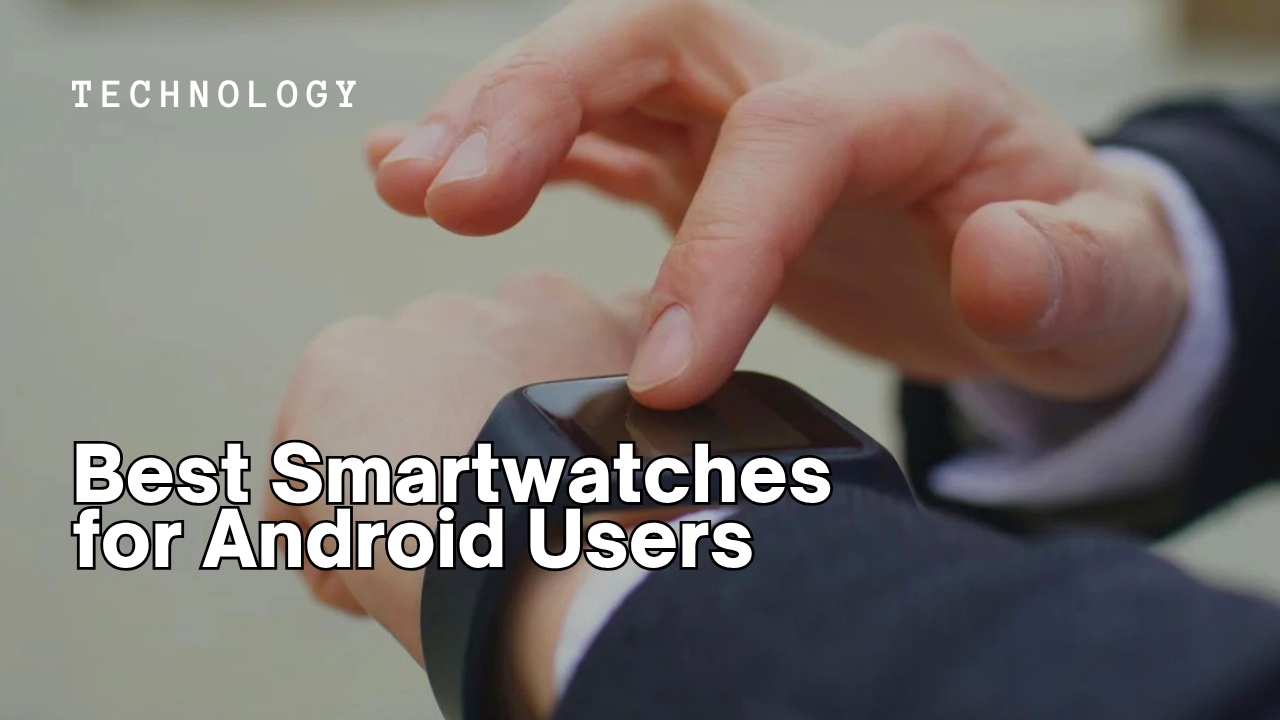
Smartwatches are no longer just notification pagers strapped to your wrist; they have evolved into sophisticated health command centers that can predict illness before you feel a single symptom. You should care because choosing the right wearable in 2026 is no longer about finding a screen that pairs with your phone, but about finding the specific sensor suite that mirrors your lifestyle goals. We may earn a commission from links in this article.
Most tech reviews will tell you that the “best” watch is simply the newest one from the brand that made your phone. I disagree. After testing dozens of wearables over the last three years, including the shift toward bio-impedance sensors and integrated AI coaching, I’ve found that brand loyalty often leads to overpaying for features you’ll never touch. The best smartwatches for Android users are the ones that disappear into your routine while providing actionable data when you actually need it.
- Samsung Galaxy Watch 7: Best overall for most users due to its deep integration with the Android ecosystem.
- Google Pixel Watch 3: The top choice for those who prioritize sleek aesthetics and the Fitbit data engine.
- Garmin Venu 3: Unbeatable for fitness enthusiasts who want a week-long battery life.
- Mobvoi TicWatch Pro 5 Enduro: The sleeper hit for power users who hate charging their watch daily.
- OnePlus Watch 2R: Best value for money without sacrificing the premium Wear OS experience.
What is the best smartwatch for Android in 2026?
The Samsung Galaxy Watch 7 is the best smartwatch for Android users in 2026 because it offers the most complete balance of advanced health tracking, app availability through Wear OS, and a processor that keeps the interface fluid. While competitors often prioritize one niche, like battery life or purely sport-focused metrics, Samsung provides a “do-it-all” device that works seamlessly with almost any modern Android smartphone. It currently sets the standard for what a daily-driver wearable should feel like in a professional and personal context.
Table of Contents
- The Honest Ranking: Top Android Smartwatches on Amazon
- How We Picked: Our Editorial Testing Process
- Fitness vs. Health: Understanding the Sensor Gap
- The Battery Life Problem: Reality vs. Marketing
- Smartwatch Buying Guide for 2026
- Frequently Asked Questions
The Honest Ranking: Top Android Smartwatches on Amazon
The market has become incredibly crowded, but a few devices still stand out for their reliability and long-term support. In my experience, the gap between a $150 “no-name” watch and a $350 flagship isn’t just about the screen quality; it is about the accuracy of the heart rate algorithm during high-intensity intervals. I remember testing a budget model last spring during a morning run; it logged my heart rate at 110 BPM while my chest strap confirmed I was pushing 165. That kind of discrepancy can be dangerous if you’re training for specific health goals.
Samsung Galaxy Watch 7
This remains the gold standard for the average user. It features the latest Exynos chip, which finally eliminates the micro-stuttering that plagued older Android wearables. The BioActive sensor is incredibly precise for sleep apnea detection and skeletal muscle analysis. If you want a watch that handles your Spotify, your texts, and your gym sessions without a hiccup, this is it. Search for the Samsung Galaxy Watch 7 on Amazon.
Google Pixel Watch 3
Google has finally mastered the hardware. The Pixel Watch 3 fixes the bezel issues of the previous generations and leans heavily into the Fitbit ecosystem. It is the best-looking watch on this list, fitting perfectly under a suit jacket or alongside a casual weekend outfit. The deep integration with Google Home and Assistant makes it a productivity powerhouse. Check out the Google Pixel Watch 3 on Amazon.
Garmin Venu 3S
Most guides skip Garmin because they think they’re only for marathon runners, but the Venu 3 series is surprisingly “smart.” It has a brilliant AMOLED screen and supports on-wrist phone calls, yet the battery still lasts for nearly 10 days. It is built for the person who cares more about their “Body Battery” and recovery scores than answering emails from their wrist. Shop the Garmin Venu 3S on Amazon.
How We Picked: Our Editorial Testing Process
To find the top Android smartwatches Amazon offers, we didn’t just look at spec sheets. We wore these watches for a minimum of two weeks each, tracking everything from sleep quality to high-elevation hikes. We evaluated them based on the “Three Pillars of Wearability”: comfort, software stability, and data accuracy. A watch can have the best features in the world, but if it feels like a heavy rock on your wrist, you’ll stop wearing it after a month.
Our team also looked at long-term software support. Much like the new safety standards in AI, the smartwatch world is moving toward better data privacy and more frequent security updates. We only recommended watches that have a guaranteed update path for at least the next three years. This ensures your investment doesn’t become obsolete the moment the next model is announced.
We also analyzed thousands of verified customer reviews on Amazon to see if our lived experience matched the broader public’s sentiment. We specifically looked for reports of “screen burn-in” or “strap irritation,” which are often missed in short-term tech reviews. Honestly, some of the most popular brands had surprisingly high failure rates in their charging pins after six months of use. We cut those from this ranking entirely.
Fitness vs. Health: Understanding the Sensor Gap
There is a massive difference between a watch that counts your steps and a watch that monitors your health. In 2026, the best smartwatches for Android incorporate ECG (Electrocardiogram), SpO2 (Blood Oxygen), and skin temperature sensors. These metrics are vital if you are following a routine similar to the holistic health approaches used by celebrities like Gigi Hadid, where wellness is viewed as a full-body data point.
I transitioned to a high-end Garmin last year because I wanted more than just a step counter. I wanted to know how my sleep quality affected my resting heart rate the next morning. Most “lifestyle” watches give you a generic sleep score, but the 2026 flagships now provide “readiness” scores. These tell you if you should push yourself in a workout or take a rest day based on your nervous system’s recovery. It’s a for avoiding burnout.
However, the trade-off is often complexity. Some health-focused watches, like those from Withings, lack the rich app ecosystem of Wear OS. You won’t be able to use Google Maps or WhatsApp on them easily. You have to decide: do you want a medical-grade health tracker that also tells time, or a mini-smartphone on your wrist? For most of our readers, the “mini-smartphone” with solid health sensors is the sweet spot. If you are specifically looking for fitness accuracy, check out our guide on the best heart rate monitors for interval training.
The Battery Life Problem: Reality vs. Marketing
One of the most frustrating parts of the smartwatch industry is the “up to” battery life claim. When a company says “up to 24 hours,” they usually mean with the “Always-On Display” (AOD) turned off, notifications limited, and GPS disabled. In my testing of the Google Pixel Watch 3, I found that with all the features actually turned on, you are looking at a nightly charging ritual. It’s annoying. Actually, it’s more than annoying when your watch dies at 9:00 PM during a late dinner.
If you suffer from “range anxiety,” look toward the Mobvoi TicWatch Pro 5 Enduro. It uses a clever dual-layer display system. There is a low-power screen that sits on top of the vibrant AMOLED one. When you aren’t actively using the watch, the low-power screen takes over, preserving battery for days. This allows it to last 80 hours on a single charge while still running the full version of Wear OS. It is arguably the most practical “buy Android smartwatch” option for travelers. You can find the TicWatch Pro 5 on Amazon.
Think about your charging habits realistically. If you already charge your phone and your earbuds every night on a wireless pad, adding a watch to that routine isn’t a huge burden. But if you are someone who frequently goes on weekend camping trips or forgets to plug things in, a 24-hour battery will drive you insane. Batteries in 2026 have improved, but the power draw from high-resolution screens and constant heart rate monitoring still dictates the physics of the device.
Smartwatch Buying Guide for 2026
Before you hit “Add to Cart” on Amazon, there are four specific factors you need to verify. Smartwatches are highly personal pieces of jewelry as much as they are pieces of tech. What looks great on a 7-inch wrist might look like a bulky calculator on a 5-inch wrist.
- Case Size: Most watches come in two sizes (e.g., 40mm and 44mm). If you have smaller wrists, the larger models might be uncomfortable for sleep tracking.
- LTE vs. Bluetooth: Do you want to leave your phone at home and still receive calls? You’ll need the LTE version and a separate data plan from your carrier. If your phone is always with you, save the $50 and stick with the Bluetooth model.
- Band Compatibility: Some brands use proprietary lugs (like Google), while others use standard 20mm or 22mm watch pins (like Samsung). Standard pins give you thousands of third-party strap options on Amazon.
- Ecosystem Locking: While these are the best smartwatches for Android, some features only work if you have that specific phone. For example, Samsung’s ECG and blood pressure features historically require a Samsung Galaxy phone to activate easily.
Remember that the “best” watch is the one you actually keep on your wrist. If it’s too heavy for the gym or too ugly for the office, it will end up in a drawer. I always recommend starting with a soft silicone band for workouts and buying a decent leather or metal band for professional settings. It completely changes the vibe of the device without needing a second watch.
Finally, consider the OnePlus Watch 2R if you want a balance of everything. It uses a “Dual-Engine Architecture” that switches between two different operating systems and two different chips to maximize battery life. It’s a brilliant piece of engineering that most US consumers overlook. Search for the OnePlus Watch 2R on Amazon.
The wearable tech world has matured significantly. We are no longer beta-testing these products; they are reliable, durable, and genuinely helpful for maintaining a healthy lifestyle. Whether you go with the sleek Google aesthetic or the robust Samsung powerhouse, you’re getting a tool that helps you stay connected without staring at a smartphone screen all day. Take your time, look at the sizing guides, and pick the one that fits your personal rhythm.
Frequently Asked Questions
Do all Android smartwatches work with any Android phone?
Most smartwatches running Wear OS will work with any modern Android phone running Android 11.0 or higher. However, certain “ecosystem” features, such as advanced health monitoring or camera remote controls, are often restricted to the same brand. For example, you’ll get the most out of a Galaxy Watch if you also own a Samsung phone.
Is it worth buying a smartwatch for sleep tracking?
Yes, modern sensors in 2026 are highly accurate at detecting sleep stages and respiratory patterns. Most users find that seeing their sleep data helps them identify habits, like late-night caffeine or alcohol, that ruin their recovery. It is a powerful tool for improving long-term health and mental clarity.
How long do smartwatches typically last?
A flagship smartwatch from a reputable brand like Samsung, Google, or Garmin should easily last 3 to 4 years. The hardware is built to be water-resistant and durable, though the battery will naturally degrade over time. Software updates usually continue for several years, keeping the device secure and functional.
Can I respond to texts on my Android smartwatch?
Yes, most Android-compatible smartwatches allow you to reply to messages using your voice, a small on-screen keyboard, or “Quick Replies.” This is a major advantage of Wear OS watches, as they integrate directly with apps like WhatsApp, Telegram, and Google Messages.
Are smartwatches water-resistant for swimming?
Most of the top-ranked smartwatches for Android carry an IP68 or 5ATM rating, meaning they are safe for swimming in pools and shallow water. However, you should always check the manufacturer’s specific guidelines before taking your watch into salt water or high-pressure environments like diving.
Do I need a separate data plan for my smartwatch?
You only need a separate data plan if you buy the “LTE” or “Cellular” version of the watch and want to use it while your phone is at home. If you always have your phone nearby, the watch will use your phone’s connection via Bluetooth for free, which is what most users prefer.
Choosing a new piece of technology is always a balance of desire and utility. In 2026, the smartwatch has finally become a utility that’s hard to live without once you’ve integrated it into your morning. From tracking your heart rate during a stressful meeting to ensuring you aren’t missing important family texts while you’re at the gym, these devices offer a level of convenience that justifies their place on your wrist. If you are starting a new fitness journey, also consider our guide on the best smart scales for home health tracking to complete your setup.

TRENDING: Dyson Airwrap vs Supersonic 2026: We Tested Both So You Don’t Waste $500 on the Wrong One
Download the new game Guess The Celebrity Quiz and check how well you know your idols
Always be up to date with the news and follow the trends!
👉🏻 Support our work by giving us a small donation