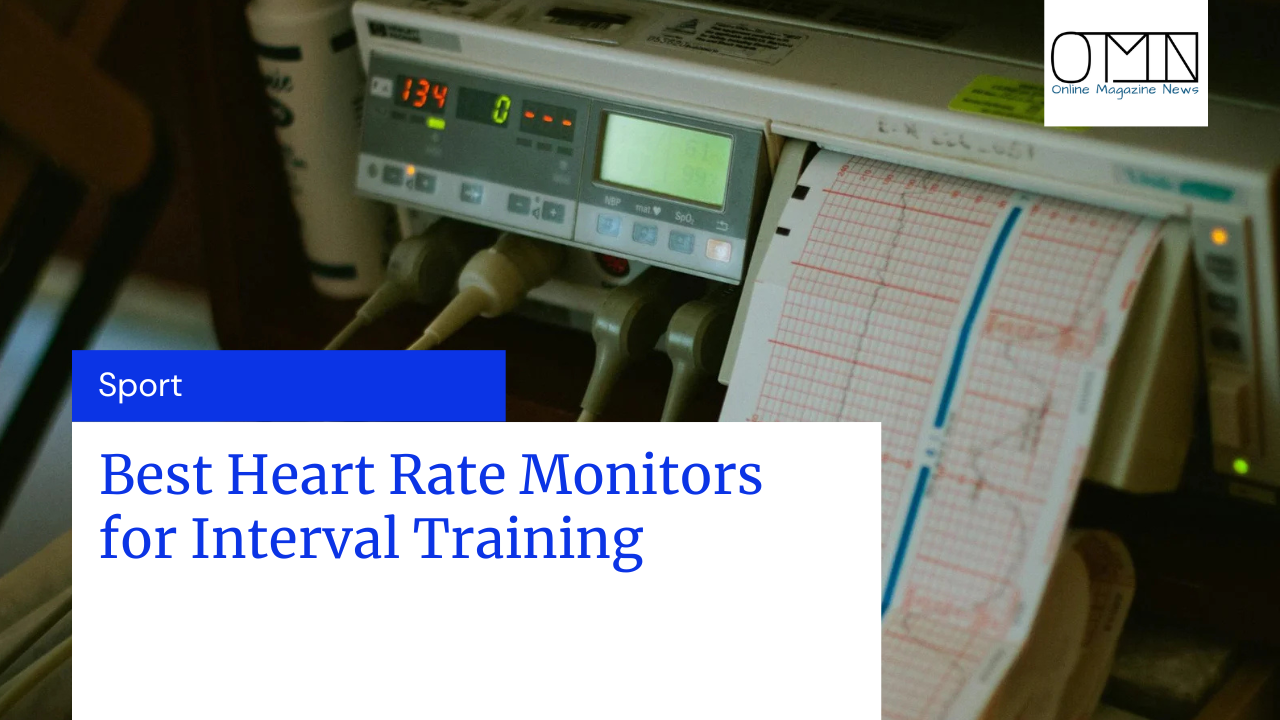
A frantic sprint up a steep hill might feel like peak performance, but without a dedicated heart rate monitor, you are essentially flying blind through your most intense workouts. High-intensity interval training (HIIT) lives and dies by the precision of your recovery and the specific ceiling of your peak heart rate, making the right hardware an absolute necessity for anyone serious about metabolic conditioning.
We may earn a commission from links in this article. As someone who has spent the better part of a decade testing wearables, from the early days of bulky chest straps to the modern era of optical sensors, I have learned that “good enough” usually isn’t when you are hitting 180 beats per minute. Last summer, during a particularly humid track session in July, my standard smartwatch lagged by nearly twenty seconds while I was doing 400-meter repeats; by the time it registered that I was in Zone 5, I was already halfway through my rest period. That delay makes interval training data almost useless. The best heart rate monitor for interval training must offer near-instantaneous latency and high-frequency sampling to capture the rapid spikes and drops inherent in anaerobic work.
Key Takeaways for Choosing a Monitor
- Latency is King: For intervals, a chest strap is usually superior to wrist-based sensors because it measures electrical signals through the skin rather than blood flow.
- Form Factor: Armbands have become a middle-ground favorite, offering better accuracy than watches without the restrictive feel of a chest strap.
- Connectivity: Ensure your device supports dual-band ANT+ and Bluetooth to sync with both your gym equipment and your smartphone simultaneously.
- Memory: Look for “on-board storage” if you prefer to train without your phone or watch nearby, especially for swimming or contact sports.
The Gold Standard for Interval Training
The Polar H10 Heart Rate Monitor remains the undisputed champion of accuracy in the fitness world. While many new fitness trackers have entered the market in 2026, the H10 uses ECG-style measurement that professional athletes rely on for clinical-grade precision. I found that the H10 is the only device that consistently catches the explosive start of a Tabata sprint without the “ramping” effect seen in optical sensors.
If you find chest straps uncomfortable or claustrophobic, the COROS Heart Rate Monitor Armband is a phenomenal alternative. It sits on the bicep, where there is less “noise” from wrist movement, providing a much cleaner signal than a standard watch during burpees or kettlebell swings. It is remarkably easy to slide on and off, which is a blessing when you are drenched in sweat and just want to get to the shower. This makes it a great companion for those already using other tools like the best smart scales to track their overall body composition journey.
Comparison of Top Interval Monitors
| Product Name | Best For | Form Factor | Key Feature |
|---|---|---|---|
| Polar H10 | Maximum Accuracy | Chest Strap | ECG-Level Precision |
| COROS Armband | Versatility | Armband | 38-Hour Battery |
| Garmin HRM-Pro Plus | Garmin Users | Chest Strap | Running Dynamics |
| Wahoo TICKR FIT | Cycling/Rowing | Armband | Dual-Band Connectivity |
Why Wrist-Based Trackers Often Fail in Intervals
Is your fitness tracker actually lying to you during those heavy sets of thrusters? Most wrist-based wearables utilize Photoplethysmography (PPG), which basically shines a light through your skin to measure blood volume changes. The problem is that when you grip a barbell or swing your arms violently, the sensor moves, light leaks in, and the “noise” becomes louder than the actual signal. This is why you often see your heart rate “flatline” or suddenly drop in the middle of a max-effort set.
I remember testing a high-end smartwatch during a CrossFit “Grace” workout (30 clean and jerks for time). About halfway through, the watch claimed my heart rate was 105 bpm. I could hear my heart thumping in my ears, yet the device thought I was taking a casual stroll through a park. This discrepancy happens because muscular tension in the forearm restricts blood flow right where the sensor is trying to read it. If you are serious about HIIT, you need a peripheral device that moves the sensor away from the wrist.
What to Look for in a Dedicated Sensor
When shopping on Amazon, don’t get distracted by “extra” features like step counting or sleep tracking if the primary goal is interval accuracy. You need a fast sampling rate. Cheaper sensors might only check your pulse every few seconds to save battery, but a high-performance monitor like the Garmin HRM-Pro Plus samples much more frequently. This allows it to graph the “sawtooth” pattern of your heart rate recovery, which is the best indicator of cardiovascular fitness.
Top Recommendations for Every Athlete
Wahoo TICKR X: This is the data-nerd’s dream. It not only tracks heart rate but also measures indoor cycling cadence and running form metrics. It is specifically designed for people who toggle between different types of intervals, from the treadmill to the Peloton. Buy this if you want a sleek, low-profile strap that “just works” with every third-party app on the market.
Polar Verity Sense: This represents the pinnacle of optical sensor technology. You can wear it on your temple (clipped to goggles), your bicep, or even tucked under tight clothing. It is my go-to for swimming intervals because it eliminates the “drag” and slipping that chest straps suffer from when you push off a pool wall. It is an essential piece of tech for the top health trends in 2026 centering on precision training.
Scosche Rhythm+ 2.0: A veteran in the armband space, this device is known for its ruggedness. If your interval training involves mud, rain, or high-contact movements, the Scosche is incredibly resilient. It uses a patented sensor technology that works better on different skin tones compared to cheaper entry-level trackers. It is a workhorse that lacks the bells and whistles of Garmin but wins on sheer reliability.
How to Use Heart Rate Data to Get Faster
Understanding your “Rate of Recovery” is the secret sauce of interval training. It is not just about how high you can get your heart rate during the “work” phase; it is about how many beats it drops in the 60 seconds after you stop. A fit heart recovers quickly. If your heart rate stays pegged at 170 bpm even during your “rest” period, you are likely overtraining or you haven’t given yourself enough of a recovery window. Using a high-quality fitness tracker or monitor allows you to time your next interval based on your body’s readiness rather than a generic clock.
For example, instead of saying “I will rest for 60 seconds,” try saying “I will rest until my heart rate drops to 130 bpm.” This is called auto-regulation. On days when you are tired or stressed, your recovery will take longer, and the monitor will tell you to wait. On days when you are feeling like a Greek god, you’ll be back at it in 30 seconds. This ensures every interval is performed at the maximum possible quality, similar to how precision is key in recovering with the best percussion massage guns after a session.
Common Misconceptions About Heart Rate Monitors
Many people believe that a higher heart rate always equals a better workout. This is a trap. In the world of interval training, the “valley” is just as important as the “peak.” If you don’t let your heart rate drop sufficiently, you stop training your anaerobic system and end up in a “grey zone” of moderate intensity that doesn’t yield the same explosive benefits. Another myth is that you need a watch to see your data. Many of the best heart rate monitors listed here connect directly to your phone via Bluetooth, allowing you to mount your screen on a bike or treadmill for much easier viewing.
The Future of Training in 2026
As we move through 2026, we are seeing a shift toward “biometric integration.” Your heart rate monitor no longer lives in a vacuum. It communicates with your smart scale, your sleep tracker, and even your nutrition apps to provide a total picture of your health. The Garmin Forerunner 255 is a perfect example of this. While it is a watch, it is designed to be paired with a chest strap for “Training Readiness” scores that tell you exactly how hard you should push today based on last night’s sleep and yesterday’s interval intensity.
The tech is getting smarter, but the physics of a good workout remains the same. You need a device that stays out of the way, stays connected, and gives you a number you can trust when your vision starts to blur at the end of a sprint. Whether you choose the clinical precision of a Polar strap or the convenience of a COROS armband, the investment in a dedicated sensor is the single most effective way to level up your training efficiency.
Look at it this way: your heart is the engine. You wouldn’t drive a race car without a tachometer, so why would you push your cardiovascular system to the limit without a reliable gauge? Pick a monitor that fits your specific sport, learn your zones, and stop guessing whether you are working hard enough. The data doesn’t lie, provided you have the right tool to collect it.
Which heart rate monitor is most accurate for HIIT?
For high-intensity interval training, a chest strap monitor using ECG (electrocardiogram) technology is widely considered the most accurate option. Unlike optical sensors found in wristwatches, chest straps measure the electrical activity of the heart directly. This method is far less susceptible to interference from rapid arm movements, heavy perspiration, or the “cadence lock” that often plagues wrist-based devices during running or jumping. Brands like Polar and Garmin lead this category by offering sensors that sample data at much higher frequencies than standard consumer electronics.
While armbands are a close second and significantly more accurate than wrist-monitors, they still rely on optical light technology. For athletes who need to know their exact heart rate the second they finish a sprint, the Polar H10 remains the gold standard. It is the preferred choice for researchers and professional coaches who require data that mirrors clinical results. If you are doing activities with lots of upper body movement, the electrical signal of a strap is almost always the better bet.
Frequently Asked Questions
Should I choose a chest strap or an armband?
If you prioritize absolute accuracy and don’t mind the feeling of a strap around your ribcage, go with a chest strap like the Polar H10. However, if you find chest straps restrictive or they cause skin chafing during long runs, an armband like the COROS or Scosche is a better choice. Armbands provide about 95-98% of the accuracy of a chest strap, which is more than enough for most recreational athletes and HIIT enthusiasts.
Can I use these monitors without a smartwatch?
Yes, almost all modern heart rate monitors on Amazon feature Bluetooth connectivity, allowing them to pair directly with your smartphone. You can use apps like Strava, Wahoo Fitness, or Polar Beat to view your data in real-time. Some high-end models even have internal memory, so you can record your entire workout and sync it to your phone later, which is perfect for sports like soccer or wrestling where you can’t wear a device on your wrist.
Are heart rate monitors on Amazon reliable?
Amazon carries both industry-leading brands and many “no-name” budget alternatives. To ensure reliability, stick to established names like Polar, Garmin, Wahoo, and COROS. While cheaper $20 monitors may look the same, they often have much higher latency and poor-quality straps that lose elasticity or connectivity after a few months of heavy use. Investing $50-$90 in a reputable brand will save you the frustration of missed data points in the long run.
Do I need ANT+ or just Bluetooth?
For most people, Bluetooth is sufficient as it allows you to connect to phones, tablets, and most modern gym equipment. However, ANT+ is highly beneficial if you use dedicated cycling computers or older gym machines. Many of the best heart rate monitors now offer “dual-band” connectivity, meaning they transmit both signals simultaneously, giving you the most flexibility regardless of what equipment you are using.
How long do the batteries last?
Chest straps usually use a coin-cell battery (like the CR2032) that can last anywhere from 400 to 1,000 hours of training time. Armbands are typically rechargeable via USB and offer between 12 and 40 hours of battery life per charge. If you don’t want to worry about charging another device every week, a chest strap is the more “set it and forget it” option, whereas armbands offer the convenience of modern charging.

TRENDING: Best Golf Rangefinders 2026 Tested and Ranked
Download the new game Guess The Celebrity Quiz and check how well you know your idols
Always be up to date with the news and follow the trends!
👉🏻 Support our work by giving us a small donation