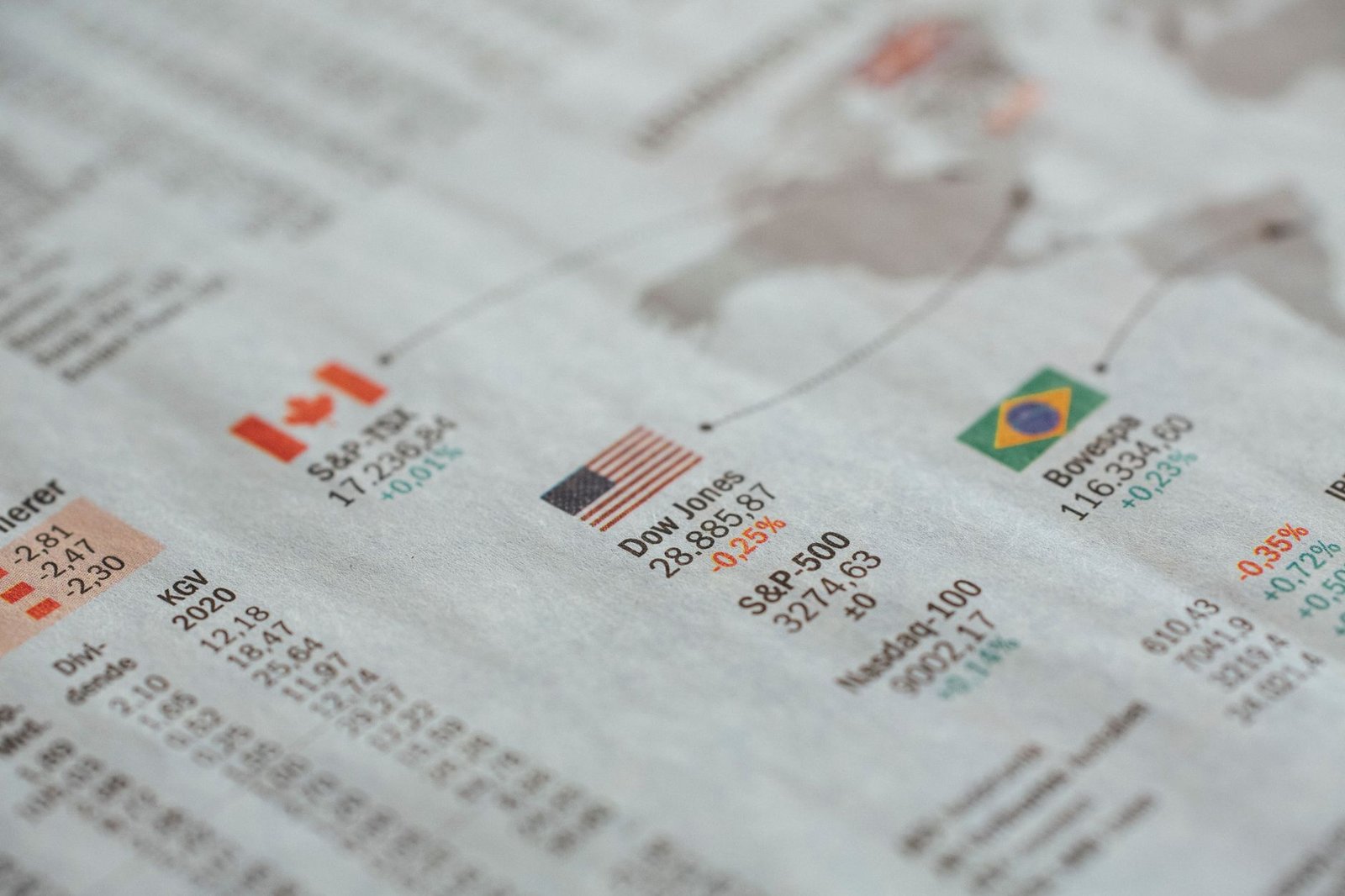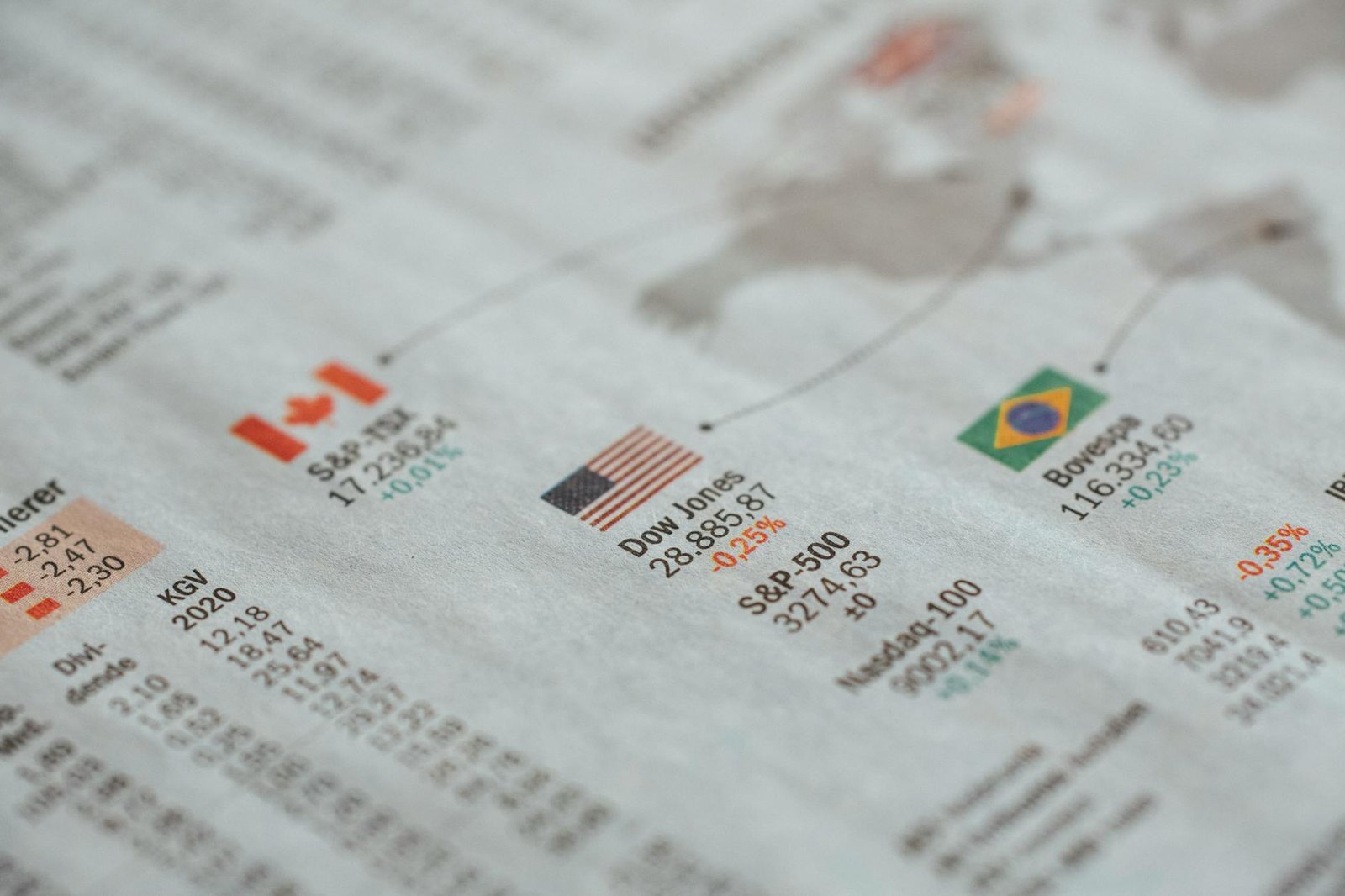
Global stock markets are currently navigating a turbulent period as investors grapple with the economic impact of unexpected interest rate hikes from several major central banks. I remember sitting at my desk back in early 2022 when the first whispers of a tightening cycle began, and the atmosphere in the trading rooms today feels eerily similar, yet far more urgent.
When a central bank moves the needle on borrowing costs without the usual months of “forward guidance,” the market reaction is rarely polite. It is a sharp, often painful recalibration of asset prices that leaves even the most seasoned portfolio managers scrambling to adjust their hedges. You might be wondering why a small percentage move in a bank rate in London or Frankfurt matters to your retirement fund, but the reality is that these decisions are the gravity that holds the entire financial universe together.
Key Takeaways
- Surprise hikes cause immediate volatility because they force algorithms and human traders to price in higher costs of capital instantly.
- Sector rotation is inevitable, with high-growth tech stocks often suffering while financial institutions potentially see margin improvements.
- The “Carry Trade” unwinds rapidly when interest rate differentials shift unexpectedly, leading to massive swings in the foreign exchange markets.
- Consumer spending typically cools shortly after these hikes as mortgage rates and credit card interest begin to bite into disposable income.
Why Central Banks Are Pulling the Trigger Early
The primary driver behind an unexpected interest rate hike is almost always the persistent ghost of inflation. While many analysts expected price pressures to ease by mid-2026, the data coming out of the Eurozone and North America has suggested otherwise. When inflation remains “sticky” above the 2% target, central banks like the Fed or the ECB feel they have no choice but to act aggressively to prevent an inflationary spiral.
I’ve found that the biggest misconception among casual observers is that central banks want the market to crash. They don’t. Their mandate is usually two-fold: price stability and maximum employment. However, when price stability is threatened, they will sacrifice short-term market gains to ensure the long-term health of the currency. The economic impact of doing nothing is often viewed as far worse than the impact of a temporary stock market correction.
If you are looking to stay productive while monitoring these shifting charts, we’ve previously looked at the best standing desks for productivity in 2026 to help you keep your focus during long trading sessions. Having the right setup is essential when you’re tracking global stock markets during a high-volatility event.
How Global Stock Markets React by Sector
The market reaction to a rate hike is never uniform across the board. Some industries view higher interest rates as a death knell for their expansion plans, while others see it as a return to “normal” profitability. Understanding this divide is the key to surviving a sudden downturn.
Technology and growth stocks are the most sensitive players in this drama. Because their valuations are often based on projected earnings 10 or 20 years into the future, a higher interest rate makes those future dollars worth less in today’s terms. In my experience, the first thing to get sold off in a surprise hike is high-multiple software-as-a-service (SaaS) companies. They rely on cheap debt to fuel customer acquisition, and when that debt disappears, the growth story gets a lot harder to sell.
Conversely, the banking sector often sees a “relief rally.” Banks make money on the spread between what they pay depositors and what they charge borrowers. An unexpected hike can widen this net interest margin almost overnight. However, this is a double-edged sword; if the central banks hike too high and trigger a recession, the resulting loan defaults can wipe out those margin gains entirely.
The Disruption of Global Logistics and Trade
It isn’t just about the numbers on a screen. Higher rates affect the physical movement of goods. We recently reported on how a major cyberattack disrupts global shipping logistics, and interest rates act in a similar, albeit slower, fashion. When the cost of financing a container of goods rises by 1% or 2%, the entire global supply chain feels the friction. Importers may cut back on orders, leading to the “plunge” scenarios we often see in the headlines.
The Great Balancing Act: Inflation vs. Growth
What is the primary reason for a surprise interest rate hike?
A surprise interest rate hike occurs when a central bank raises rates outside of its scheduled meeting cycle or by a larger margin than markets anticipated. The primary reason is an urgent need to combat runaway inflation or a rapidly devaluing currency. When economic data reveals that price increases are accelerating faster than previous models suggested, the central bank must act decisively to “cool” the economy, even at the risk of inducing a short-term market sell-off. This action signals to the public and investors that the bank is serious about maintaining the value of the currency.
The economic impact of these maneuvers is often felt first in the bond market. Yields on government debt, like the US 10-Year Treasury, tend to spike. This creates a “risk-free” alternative to stocks. Why would an investor hold a volatile tech stock when they can get a guaranteed 5% or 6% return from the government? This is the fundamental mechanic that drains liquidity from global stock markets.
According to the International Monetary Fund (IMF), central bank independence is crucial for this process. If politicians controlled interest rates, they would likely keep them low forever to win votes, leading to hyperinflation. You can read more about the role of central banking on the official IMF website.
Strategies for Investors During Rapid Tightening
When the market reaction turns negative, it is tempting to panic and sell everything. But history shows that the “dash to cash” is often a mistake. Instead, sophisticated investors look for “quality.” Quality companies are those with low debt, high cash flow, and the “pricing power” to pass increased costs onto their customers.
- Re-evaluate your leverage: If you are trading on margin, an unexpected hike can lead to margin calls as the value of your collateral drops.
- Look for dividends: Companies that pay consistent dividends, particularly in the utilities or consumer staples sectors, tend to act as “defensive” plays.
- Diversify globally: Not every central bank hikes at the same time. While the US Fed might be aggressive, the Bank of Japan or the People’s Bank of China might be in a different phase of their cycle.
I once spoke with a trader who lost 40% of his portfolio in a single week because he was “all-in” on leveraged tech during a surprise rate hike in the early 2000s. He told me the hardest part wasn’t the loss of money, but the loss of time. It took him five years just to get back to “even.” The lesson here is that risk management isn’t something you do after the hike; it’s something you do during the quiet times.
For those looking to track these movements in real-time, high-quality audio can make a difference in catching every word of a central bank press conference. The best wireless earbuds for iPhone and Android in 2026 offer the noise-canceling technology needed to block out the world while you focus on the Fed Chair’s subtle cues.
The Impact on Emerging Markets vs. Developed Economies
While the headlines often focus on the New York Stock Exchange or the London FTSE, the real carnage of an interest rate hike is often found in emerging markets. Many developing nations borrow money in US Dollars. When the US central banks raise rates, the dollar tends to strengthen. This makes it twice as expensive for a country like Brazil or Turkey to pay back its debt: once because interest is higher, and again because their local currency is worth less against the dollar.
This “double whammy” can lead to capital flight. Investors pull their money out of “risky” emerging markets and move it back to the perceived safety of the US or Europe. We must recognize that global stock markets are interconnected; a sneeze in Washington can become a cold in Sao Paulo and a pneumonia in Jakarta.
Interest Rate Impact Comparison (2026 Trends)
| Asset Class | Typical Reaction | Risk Level |
|---|---|---|
| Growth Tech Stocks | Sharp decline due to valuation compression | High |
| Government Bonds | Prices drop, yields rise to match new rates | Low to Medium |
| Commodities (Gold/Oil) | Often drop as the Dollar strengthens | Medium |
| Financial Services | Possible gain if loan volumes remain steady | Medium |
The Psychology of the “Flash Crash”
Data only tells half the story. The other half is human (and algorithmic) emotion. Modern global stock markets are dominated by High-Frequency Trading (HFT) bots. These programs are designed to sell at the first hint of trouble. Within milliseconds of a surprise interest rate hike announcement, billions of dollars can vanish as these bots trigger a cascade of sell orders.
This creates what we call a “Liquidity Vacuum.” You want to sell, but there are no buyers at your price, so the price drops further. The truth is that most retail investors are at a massive disadvantage during these first few minutes of the market reaction. This is why the best advice is often to do nothing for the first 48 hours. Let the machines finish their fight, and then see where the dust settles.
While the markets might be stressful, taking care of your health is paramount. Stress management is a “hot” topic in 2026, and many traders are turning to better recovery routines. We’ve explored the best massage guns on Amazon to help relieve that physical tension that builds up after a 12-hour day of monitoring market swings.
Long-Term Economic Impact of Higher Rates
Is it all doom and gloom? Not necessarily. While the initial interest rate hike causes pain, the economic impact over 12 to 24 months can be positive if it successfully tames inflation. A world with 5% interest rates and 2% inflation is much healthier than a world with 0% interest and 10% inflation. It rewards savers and forces companies to be more disciplined with their money.
For example, the “zombie companies” that survived only because debt was free are finally cleared out of the system. This makes room for more efficient, innovative firms to take their place. In the long run, interest rates are the “pruning shears” of the economy; they cut back the weak growth to allow the strong branches to flourish.
However, we must watch for the “lag effect.” Monetary policy is famously described as a “blunt instrument with long and variable lags.” The hike that happens today might not show its full effect on unemployment or consumer spending until late 2027. This is the danger of central banks over-tightening; they might keep raising rates because they don’t see an immediate slowdown, only to find they’ve pushed the economy over a cliff six months later.
We’ve seen similar high-stakes environments in other sectors, such as when major tech mergers are blocked by regulators. Just like a blocked merger, a surprise rate hike changes the fundamental rules of the game overnight. Adaptability becomes your most valuable asset.
The bottom line is that the era of “easy money” has come to a definitive end as of 2026. Whether you are a casual investor or a dedicated day trader, understanding these tectonic shifts is the only way to protect your capital. The markets will always be volatile, but a disciplined approach to global stock markets, coupled with an understanding of why central banks act the way they do, will keep you ahead of the curve.
Frequently Asked Questions
How does an interest rate hike affect my personal savings?
Generally, an interest rate hike is good news for savers. Banks typically increase the Annual Percentage Yield (APY) on savings accounts and Certificates of Deposit (CDs), meaning you earn more interest on your cash. However, these increases often happen much slower than the increases for loans and mortgages, so don’t expect a windfall immediately.
Why do tech stocks fall more than other sectors when rates rise?
Tech stocks are primarily valued based on “discounted cash flow” models. When the discount rate (linked to interest rates) goes up, the present value of future earnings goes down. Additionally, tech companies often need to borrow heavily to fund growth; higher rates make that growth more expensive and less attractive to investors.
What is “forward guidance” in central banking?
Forward guidance is a tool used by central banks to signal their future policy intentions to the market. By telling investors what they plan to do months in advance, they hope to prevent the kind of market reaction and volatility seen during “surprise” hikes. A surprise hike indicates that the bank believes the economic situation changed too fast for guidance to be effective.
Can the stock market go up during a period of rising interest rates?
Yes, it can. If interest rates are rising because the economy is incredibly strong and corporate earnings are growing faster than interest costs, global stock markets can still reach new highs. Historical data from the mid-20th century shows several periods where both rates and stocks rose in tandem for years.
What should I do with my portfolio during an unexpected hike?
The most important step is to review your exposure to highly leveraged companies and growth-focused ETFs. Ensure you have enough liquidity to cover any short-term needs so you aren’t forced to sell during a “flash crash.” Consult with a financial advisor to see if rotating into “value” or “defensive” sectors aligns with your long-term goals.
As we move deeper into 2026, the dance between central banks and global stock markets will only become more intricate. Keep your eyes on the data, but keep your emotions in check. The most successful investors aren’t the ones who predict every move, but the ones who have a plan for when the unpredictable happens. Stay informed and stay disciplined.