The global automotive industry finds itself at a precarious crossroads, grappling with an intensifying storm of supply chain disruptions. New international sanctions, enacted in response to escalating geopolitical tensions, are sending shockwaves through every tier of vehicle manufacturing. This complex situation is not merely a theoretical exercise in economics; it’s directly impacting car prices, availability, and the broader economic stability for consumers and businesses alike. From semiconductor chips to rare earth minerals, the intricate web of global trade is feeling the strain, and the automotive sector, with its inherently globalized production lines, is particularly vulnerable.
It’s clear that the days of seamlessly flowing components from distant lands are, for now, behind us. Manufacturers are scrambling, governments are intervening, and consumers are left wondering what the future holds for vehicle ownership. But why is this happening now, and what exactly are the mechanisms driving these profound shifts? We need to really understand the forces at play to grasp the full scope of this challenge.
Table of Contents
- Key Takeaways
- Understanding the Automotive Industry’s Vulnerabilities
- The Immediate Impact of New Global Sanctions on Car Manufacturing
- Escalating Car Prices and Consumer Outlook
- Broader Economic Implications of Disrupted Automotive Supply Chains
- Strategic Responses and Future Outlook for the Automotive Sector
- Navigating the Challenges What Consumers and Businesses Can Expect
- Frequently Asked Questions About Automotive Supply Chain Disruptions
Key Takeaways
- New global sanctions are significantly disrupting the automotive industry supply chain, exacerbating existing vulnerabilities.
- Expect considerable car price hikes due to increased manufacturing costs, raw material shortages, and logistical challenges.
- The ripple effects extend beyond vehicle sales, impacting related industries and contributing to broader economic instability.
- Manufacturers are exploring strategies like regionalization and diversification to build more resilient supply networks.
- Consumers face longer waiting times and higher costs for both new and used vehicles, requiring careful financial planning.
- Governments and international bodies are attempting to mitigate the impact through diplomatic efforts and strategic investments, but the path forward remains complex.
Understanding the Automotive Industry’s Vulnerabilities
The automotive industry, arguably more than many others, has perfected the art of just-in-time manufacturing and complex global sourcing over decades. This efficiency, while a marvel in peacetime, also created a fragile ecosystem highly susceptible to external shocks. Any hiccup in one part of the world, whether a natural disaster or, as we’re seeing now, new geopolitical sanctions, can quickly cascade into widespread disruption. It’s a finely tuned machine, but one with many exposed gears.
The Complex Web of Global Automotive Supply Chains
Think about a single car. It contains tens of thousands of individual parts, each often sourced from different countries, assembled in others, and then shipped globally. From lithium for batteries originating in South America to microchips fabricated in East Asia, steel from Europe, and rubber from Southeast Asia, the journey of components is incredibly intricate. A typical automotive supply chain involves hundreds, if not thousands, of direct suppliers, and many more indirect ones, forming a multi-layered global network. This sheer complexity means identifying and mitigating risks is an enormous undertaking.
Consider the delicate balance required for these components to arrive at the assembly plant precisely when needed. Even a minor delay for one critical part can bring an entire production line to a halt, incurring massive costs and delivery setbacks. The global nature of this industry means that geopolitical events, like the recent imposition of international sanctions, have immediate and far-reaching consequences that are difficult to predict or control. If you’re trying to get a handle on these intricate systems, finding reliable resources can be tough. Many professionals find value in understanding the foundational theories of automotive supply chain management books to navigate these waters.
How Geopolitical Tensions Exacerbate Fragilities
Geopolitical tensions aren’t just abstract political maneuvering; they have tangible consequences for global trade. When nations impose sanctions, they often target specific sectors or regions, restricting the flow of goods, technologies, or financial transactions. For the automotive industry, this can mean a sudden cutoff from critical raw materials, a blockage of established shipping routes, or an inability to conduct business with key suppliers or markets. The G20 Summit Concludes Amid Trade Sanction Divisions underscored just how pervasive and contentious these economic measures have become on the international stage.
These sanctions aren’t always about direct bans. They can also involve secondary effects, like increased shipping insurance costs for certain regions, or a reluctance by financial institutions to process payments related to sanctioned entities, even if the primary transaction isn’t directly targeted. Such indirect impacts create an environment of uncertainty, forcing companies to re-evaluate their entire sourcing strategies and consider more expensive, less efficient alternatives. And let’s be honest, those costs invariably get passed down the line.
The Immediate Impact of New Global Sanctions on Car Manufacturing
The ink on new sanction documents barely dries before the automotive industry feels the pinch. Manufacturing lines, already lean and optimized for specific component flows, are particularly sensitive to sudden interruptions. The immediate impact is often seen in production cuts, extended delivery times, and a frantic search for alternative suppliers, often at significantly higher costs.
Raw Material Access and Critical Component Shortages
One of the most immediate and profound impacts is on access to raw materials and critical components. Many essential materials for car manufacturing, such as palladium for catalytic converters, nickel for batteries, or specific grades of steel and aluminum, are concentrated in certain geopolitical hotspots. When sanctions target these regions, or when transit routes become unsafe or restricted, manufacturers face acute shortages. This isn’t just about a temporary delay; sometimes, it’s about finding entirely new sources or redesigning components, which takes considerable time and investment.
Semiconductor chips remain a prime example. The industry was still recovering from the COVID-19 related chip shortages when these new sanctions hit, further tightening an already strained supply. Modern cars are essentially computers on wheels, requiring hundreds, sometimes thousands, of chips for everything from engine management to infotainment systems. Without these, production grinds to a halt. It’s a stark reminder of how interconnected our world truly is, and how vulnerable specialized manufacturing can be.
Logistics and Shipping Bottlenecks
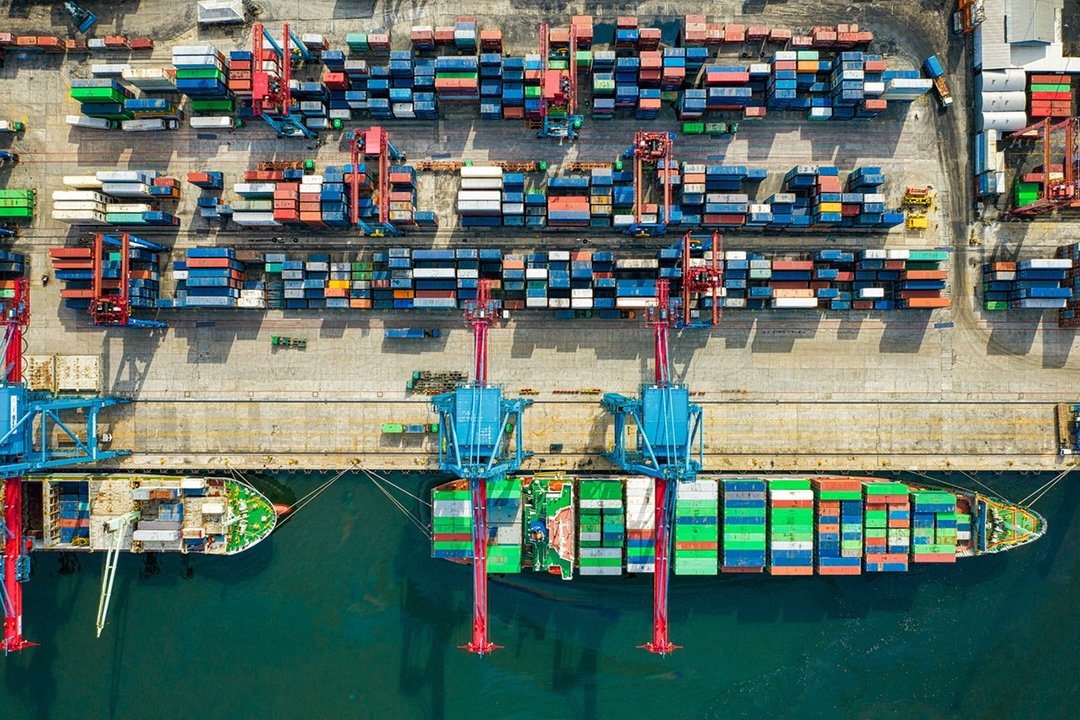
Even if raw materials and components can be sourced, getting them from point A to point B has become a monumental challenge. Sanctions can lead to restrictions on port access, increased customs scrutiny, or a shortage of available shipping containers and vessels, especially for routes traversing or bordering sanctioned regions. Air freight, while faster, is prohibitively expensive for bulk automotive parts, making it a temporary, last-resort solution at best.
Shipping companies themselves often become risk-averse, avoiding sanctioned territories or goods even if not directly mandated, to protect their own financial interests and avoid secondary sanctions. This creates bottlenecks in major global shipping lanes, driving up freight costs for everyone, everywhere. The domino effect means that even components not directly affected by sanctions can become more expensive to transport. And this is a big deal, adding to the final cost of every car.
Escalating Car Prices and Consumer Outlook
It’s not a secret anymore. Anyone looking to buy a new car, or even a used one, has noticed the upward trend in pricing. The global automotive industry’s supply chain disruptions, fueled by new sanctions, are the primary culprit. The cost of bringing a vehicle to market has simply skyrocketed, and those costs, predictably, are passed directly to the consumer. This isn’t just about a few extra dollars; we’re talking about significant increases that are stretching budgets thin for many households.
Factors Driving Up Vehicle Costs
Several intertwined factors are pushing car prices higher. First, there’s the increased cost of raw materials. When palladium, nickel, or rare earth elements become scarce or subject to tariffs, the base cost of manufacturing a vehicle goes up. Then, factor in the inflated logistics costs we just discussed. Shipping a container across the ocean now costs considerably more than it did a few years ago. Furthermore, manufacturers are facing higher labor costs, energy prices, and the expense of re-tooling or re-sourcing parts from new, often less efficient, suppliers.
The simple economics of supply and demand also play a crucial role. With fewer new cars being produced and longer wait times, demand outstrips supply, allowing dealerships and manufacturers to command higher prices. This scarcity premium is a significant contributor to the current market dynamic. Many drivers have been holding onto their vehicles longer, meaning fewer trade-ins and a tighter supply of good quality used cars. To stay informed on these shifts, many people utilize car price tracking tools to monitor the volatile market.
The Resale Market and Used Car Value
The ripple effect of new car shortages and price hikes is felt profoundly in the used car market. Typically, a new car depreciates significantly the moment it leaves the lot. However, in this current climate, used car values have held remarkably strong, and in some cases, even appreciated. People who need a vehicle and cannot afford the inflated price of a new one, or simply don’t want to wait months for delivery, turn to the used market, intensifying demand there.
This sustained high demand for used vehicles creates a seller’s market. While great for those looking to sell an older car, it presents a challenge for buyers who now face higher entry costs for pre-owned models. The typical savings associated with buying a used car have diminished, making vehicle ownership less accessible for many. Geopolitical events, like the ongoing negotiations related to the US and Iran Ceasefire 2026: What It Means for You and the World, can also contribute to global instability that trickles down to consumer markets and pricing.
Broader Economic Implications of Disrupted Automotive Supply Chains
The health of the automotive industry serves as a bellwether for the wider economy. When it falters, the economic impact is felt far beyond car manufacturers and dealerships. These supply chain disruptions, fueled by global sanctions, are generating significant economic headwinds, contributing to inflation and potentially slowing overall economic growth.
Effects on Related Industries and Employment
Consider the vast ecosystem that supports the automotive sector. Tire manufacturers, glass producers, electronics suppliers, textile companies for interiors, and even logistics firms, all are intrinsically linked. When car production slows or halts, orders for these ancillary industries dry up, leading to reduced revenues, potential layoffs, and investment deferrals. Small and medium-sized enterprises (SMEs) in particular, which often form crucial links in the supply chain, are highly vulnerable to these disruptions. Their financial struggles can have localized but significant employment impacts.
Moreover, the automotive industry supports a considerable number of jobs indirectly, from raw material extraction to after-sales service. A prolonged downturn or period of instability in automotive manufacturing can, therefore, have a multiplier effect, contributing to broader unemployment figures and reduced economic activity across numerous sectors. It’s not just about the factory floor; it’s about the entire support structure that enables vehicle production and use.
Inflationary Pressures and Consumer Spending Power
Higher car prices, along with increased costs for other goods affected by supply chain issues, feed directly into inflationary pressures. When the cost of transport, which is fundamental to almost every industry, rises, businesses must either absorb those costs or pass them on to consumers. And guess what? They usually pass them on. This leads to a general increase in the price of goods and services, eroding consumer spending power. People simply have less disposable income when everything costs more.
A reduction in consumer spending, especially on discretionary items, can slow economic growth and even tip economies towards recession. The automotive sector’s current struggles are a significant contributor to these broader macroeconomic concerns. The interplay of geopolitical events, as seen with discussions at the Middle East Peace Talks Collapse Global Leaders React, can indirectly feed into this economic uncertainty by creating an environment where businesses are hesitant to invest and consumers are more cautious with their spending. These are not isolated incidents; they are all connected in a complex global tapestry.
The ramifications are vast, extending into everything from government tax revenues to individual household budgets. Keeping an eye on these global movements and their economic forecasts is essential for both businesses and policy makers alike. One widely used resource for informed analysis is a subscription to a reputable economic forecasting service like the Economist Intelligence Unit, which provides deep insights into international markets and geopolitical trends.
Strategic Responses and Future Outlook for the Automotive Sector
Facing unprecedented challenges, the global automotive industry is not standing still. Manufacturers, governments, and industry bodies are actively exploring and implementing various strategies to build greater resilience into their supply chains and adapt to this new geopolitical reality. The goal is not just to survive the current disruptions but to emerge stronger and more robust in the long term.
Diversification and Regionalization of Supply Chains
One of the most significant strategic shifts is the move towards diversification and regionalization. Companies are realizing the inherent risks of relying too heavily on a single source or a single region for critical components. This means actively seeking out new suppliers in different parts of the world, even if it initially means slightly higher costs or a longer qualification process. The idea is to have backup options, or even multiple primary sources, for essential parts.
Regionalization takes this a step further, aiming to bring more of the supply chain closer to the assembly plants. Instead of sourcing globally for every single component, there’s a push to establish manufacturing hubs within major economic blocs, think North America, Europe, or East Asia, to reduce long-distance shipping reliance and exposure to distant geopolitical risks. This strategy offers better control over logistics and potentially faster response times to localized disruptions. But it also requires substantial investment and changes to existing manufacturing footprints.
Technological Innovations and Domestic Production
Technological innovation is another critical pillar of the response. Advanced manufacturing techniques, such as additive manufacturing (3D printing), are being explored for producing certain parts on demand, reducing reliance on traditional supply lines. Digital twin technology and AI-powered predictive analytics are also helping companies identify potential bottlenecks before they occur, allowing for proactive mitigation strategies.
Moreover, there’s a renewed emphasis on boosting domestic production capabilities for critical components, especially semiconductors and battery materials. Governments are offering incentives and subsidies to encourage companies to build or expand factories within their own borders or in allied nations. This isn’t just about economic self-reliance; it’s also a matter of national security. Such a shift in investment and focus promises to reshape the automotive industry supply chain for decades to come.
Government Interventions and International Cooperation
Governments are not merely spectators in this unfolding drama. They are actively involved, often through diplomatic channels to de-escalate tensions and minimize the impact of sanctions on trade. They’re also implementing policies to support domestic manufacturing, invest in infrastructure, and even establish strategic reserves of critical materials. Bilateral and multilateral agreements are being sought to ensure stable trade flows and prevent future disruptions.
International cooperation, though challenging in a fractured geopolitical landscape, is vital. Collaborative efforts to establish common standards, share intelligence on supply chain risks, and develop resilient trade corridors can help mitigate future shocks. It’s a complex balancing act, trying to protect national interests while also recognizing the undeniable interconnectedness of the global economy. For those interested in understanding global economic shifts, a good global logistics solutions guide can offer valuable perspectives.
Comparison Table: Traditional vs. Resilient Automotive Supply Chain Models
| Feature | Traditional (Pre-2020) | Resilient (Post-Disruption Focus) |
|---|---|---|
| Primary Goal | Cost Optimization, Just-in-Time | Risk Mitigation, Agility, Continuity |
| Sourcing Strategy | Single/Few global suppliers for efficiency | Diversified, multi-region, near-shoring/re-shoring |
| Inventory Levels | Minimal (Just-in-Time) | Strategic buffers for critical components |
| Logistics Focus | Speed & Cheapest Route | Redundancy & Multiple Transit Options |
| Data & Visibility | Limited, reactive to disruptions | Real-time, predictive analytics, end-to-end visibility |
| Geopolitical Exposure | High (concentrated risk) | Reduced (distributed risk) |
Navigating the Challenges What Consumers and Businesses Can Expect
The current state of the global automotive industry, marked by supply chain disruptions and escalating car prices, is not a temporary blip. It represents a fundamental shift that will have lasting implications for both consumers and businesses. Understanding what to expect and how to adapt will be key to navigating this new reality effectively.
Advice for Prospective Car Buyers
For individuals looking to purchase a new vehicle, patience and flexibility are now paramount. Expect longer waiting times for popular models, potentially stretching from several months to over a year. Research thoroughly and be prepared for higher prices, with less room for negotiation than in previous years. Consider expanding your search beyond your absolute top choice, as availability might dictate your options.
The used car market will likely remain robust, but prices will also stay elevated. A meticulous inspection and a detailed vehicle history report are more crucial than ever before. Furthermore, think about maintenance and longevity. With new cars harder to come by, keeping your current vehicle in top condition might be a more financially sound decision for many, delaying the need for an immediate replacement. Many are also looking at how broader Foreign Affairs impact the global economy when making major purchasing decisions.
Adaptations for Automotive Businesses
Automotive manufacturers and suppliers must continue to prioritize resilience. This means accelerating the transition to diversified and regionalized supply chains, investing in domestic production capabilities, and embracing advanced technologies for better visibility and predictive analytics. Collaborating closely with suppliers to build stronger, more transparent relationships will also be essential.
Dealerships and retailers, in turn, need to manage customer expectations effectively, providing transparent information about inventory, lead times, and pricing. Exploring new business models, such as subscription services or enhanced after-sales support, might become more prevalent as new car sales face constraints. Ultimately, the entire ecosystem of the automotive industry supply chain needs to embrace adaptability as its core operating principle. Staying current with broader economic and political developments is also critical. Look, even seemingly distant issues can have a direct impact on the industry. Just consider how global stability, or a lack thereof, discussed in contexts like the US and Iran Ceasefire 2026: What It Means for You and the World, can influence international trade routes and material access. This interconnectedness is simply undeniable.
Frequently Asked Questions About Automotive Supply Chain Disruptions
Why are car prices increasing so much?
Car prices are escalating primarily due to a combination of factors, including severe supply chain disruptions caused by global sanctions, increased costs of raw materials like semiconductors and metals, higher logistics and shipping expenses, and strong consumer demand outpacing limited production. Manufacturers are passing these increased production costs onto buyers, creating a seller’s market for both new and used vehicles.
How do global sanctions impact the automotive industry specifically?
Global sanctions specifically impact the automotive industry by restricting access to critical raw materials, components (like semiconductor chips), and technologies from sanctioned regions. They can also create logistics bottlenecks by limiting shipping routes or increasing freight costs, and by making financial transactions with certain suppliers difficult or impossible, leading to production slowdowns and higher manufacturing expenses.
Will the supply chain issues for cars improve soon?
Forecasting a rapid improvement in automotive supply chain issues is challenging. While some bottlenecks may ease over time, the underlying geopolitical tensions driving new sanctions suggest that a full return to pre-disruption stability is unlikely in the near future. Manufacturers are implementing long-term strategies like regionalization and diversification, but these take years to fully mature, so consumers should expect continued challenges for some time.
What parts of a car are most affected by shortages?
Semiconductor chips remain one of the most critically affected components, impacting nearly every electronic system in a modern vehicle. Other highly affected areas include specific raw materials such as palladium, nickel, and lithium for batteries, as well as certain specialized electronic modules and rare earth elements used in various automotive technologies.
Is it better to buy a new or used car right now?
The decision to buy a new or used car currently depends on individual circumstances. New cars face long waiting lists and inflated prices. Used cars, while more readily available, also command higher prices than in previous years due to the spillover demand. For many, maintaining an existing vehicle or waiting for market conditions to stabilize might be the most financially prudent choice, though some might find niche opportunities in the used market.
What can car manufacturers do to mitigate these disruptions?
Car manufacturers are pursuing several strategies to mitigate disruptions. These include diversifying their supplier base across different geographies, investing in regional manufacturing hubs (near-shoring), boosting domestic production of critical components, utilizing advanced analytics for better supply chain visibility, and exploring new manufacturing technologies like additive manufacturing to reduce reliance on traditional lines. Collaboration with governments and industry partners is also key.
How does this affect electric vehicle (EV) production?
Electric vehicle (EV) production is significantly impacted, particularly due to the reliance on critical battery materials like lithium, nickel, and cobalt, which are often sourced from politically sensitive regions. Sanctions and geopolitical instability can disrupt the supply of these minerals, leading to higher battery costs, slower EV production, and potential delays in the transition to electric mobility. The entire automotive industry supply chain, including its EV segment, remains highly sensitive to these global pressures.
The road ahead for the global automotive industry is undeniably bumpy, marked by the persistent specter of supply chain disruptions and the concrete reality of rising car prices. New sanctions have merely amplified existing vulnerabilities, forcing a fundamental rethink of how vehicles are sourced, built, and delivered worldwide. It’s a moment of profound transformation, challenging the long-held efficiencies of globalization and pushing manufacturers towards more resilient, albeit potentially more expensive, regionalized models. For consumers, this means adapting expectations and making informed choices in a market that looks very different from just a few years ago. But change, however challenging, always brings with it opportunities for innovation and new ways of thinking. The industry is responding, albeit slowly, to these pressures, and the lessons learned from this period of intense instability will undoubtedly shape the future of automotive manufacturing for decades to come.
TRENDING: Dyson Airwrap vs Supersonic 2026: We Tested Both So You Don’t Waste $500 on the Wrong One
Download the new game Guess The Celebrity Quiz and check how well you know your idols
Always be up to date with the news and follow the trends!
 Support our work by giving us a small donation