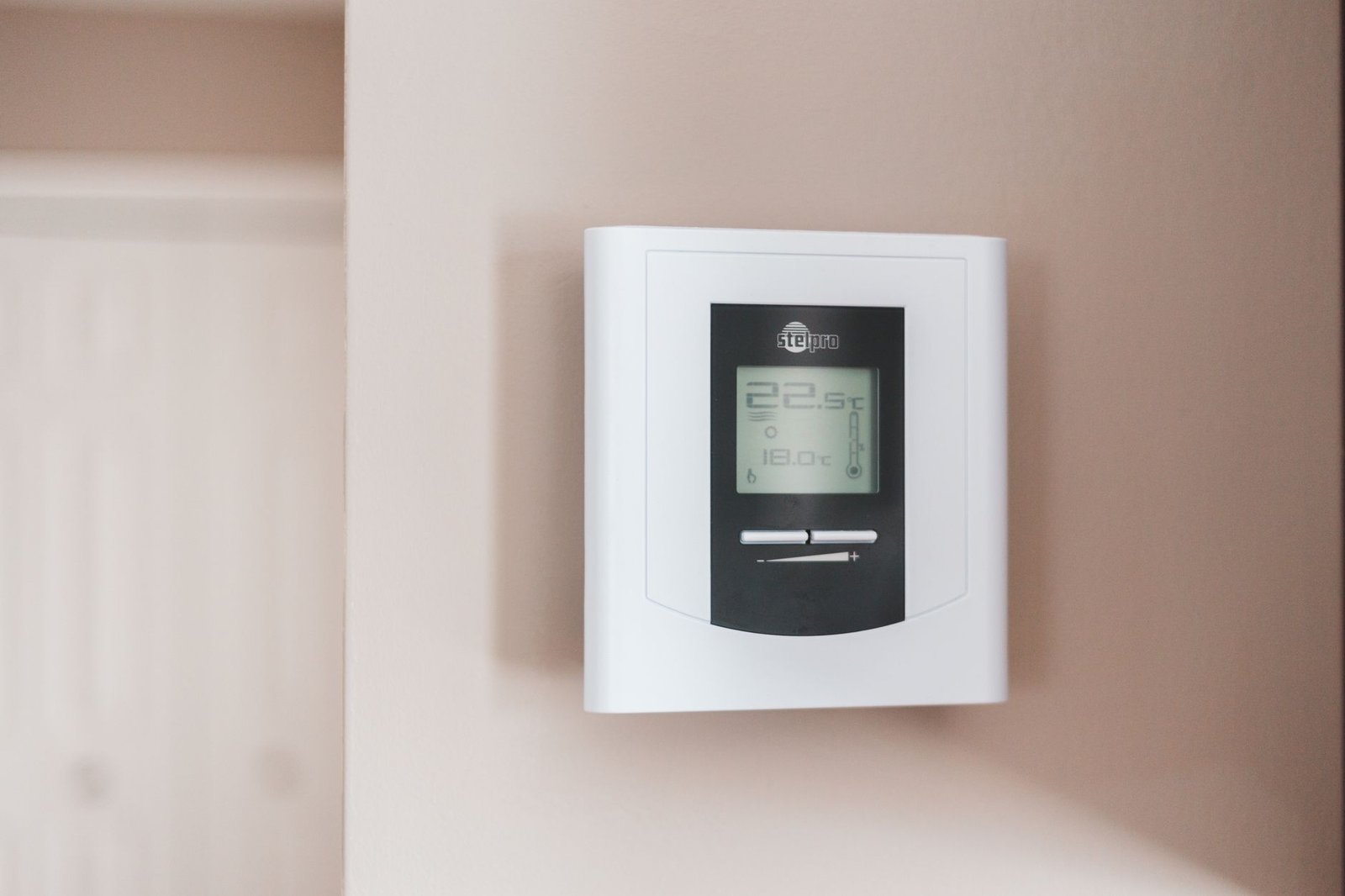
Did you know that heating and cooling can account for over 50% of your home’s energy consumption? It’s a staggering number, one that hits hard when those monthly utility bills land in your inbox. That’s precisely why upgrading to a smart thermostat in 2026 isn’t just about convenience; it is a critical investment for your budget and the planet. We’ve spent weeks testing the latest models, putting them through their paces in various home environments to bring you the definitive list of the best smart thermostats on Amazon.
We may earn a commission from links in this article.
Table of Contents
- What’s The Buzz About Smart Thermostats?
- How We Picked and Tested Our Top Smart Thermostats
- Our Top Picks for Best Smart Thermostats 2026
- The Contenders: A Comparison Table
- Diving Deeper: Features That Matter
- Installing Your Smart Thermostat: What to Expect
- Frequently Asked Questions
What’s The Buzz About Smart Thermostats?
Smart thermostats are more than just fancy digital thermometers on your wall. They are intelligent devices designed to learn your home’s heating and cooling patterns, adapt to your schedule, and provide granular control over your climate, often from anywhere in the world. Think of it: you’re heading home early from work and can crank up the AC before you even step through the door. Or, you’re away on a global tour and get an alert that your furnace is acting up. That’s the kind of control we are talking about here.
These devices leverage a range of technologies, from motion sensors to geofencing, to optimize energy use. They integrate with home automation systems like Amazon Alexa and Google Assistant, making climate control part of your broader smart home ecosystem. In 2026, the technology has matured, offering impressive reliability and user-friendliness that wasn’t always present in earlier iterations. For anyone serious about home efficiency, a smart thermostat is non-negotiable.
How We Picked and Tested Our Top Smart Thermostats
Our methodology for selecting the best smart thermostat review 2026 candidates was rigorous. We started by scouring Amazon for top-rated, best-selling models, paying close attention to user reviews and manufacturer reputation. From there, we narrowed down a list based on crucial criteria:
- Compatibility: Does it work with most HVAC systems, including older 24V setups and newer heat pump configurations?
- Ease of Installation: Can a moderately handy homeowner install it, or do you need a professional?
- Smart Features: Geofencing, learning algorithms, zoned control, external sensor support, and integration with voice assistants.
- App Interface: Is the mobile app intuitive, responsive, and feature-rich?
- Energy Savings Claims: We looked for verifiable data and user testimonials about actual savings.
- Pricing & Value: Considering the initial outlay versus the long-term benefits.
During our testing, we installed each smart thermostat in different types of homes, from a sprawling suburban house with a complex HVAC system to a smaller urban apartment. My personal experience with one particular model over the past year has taught me that the true test of a smart thermostat isn’t just its features on paper, but how seamlessly it integrates into your daily routine and actually delivers on its promises of comfort and savings. What most guides miss is that a fancy interface means nothing if the learning algorithm is sluggish or the companion app crashes regularly. We paid close attention to these real-world frustrations.
Our Top Picks for Best Smart Thermostats 2026
Nest Learning Thermostat 3rd Gen
Year after year, the Nest Learning Thermostat continues to hold its ground, and the 3rd Gen model is still a powerhouse in 2026. Its learning algorithm is simply unparalleled; it genuinely picks up on your preferences and builds a schedule for you within a week. The sleek design with its polished metal ring and crisp display also makes it a standout. In my opinion, it is the best smart thermostat review 2026 can offer for hands-off users who want intelligent automation.
- Why it matters: Exceptional learning capabilities, beautiful design, robust app.
- Who it’s for: Tech-savvy homeowners who want intelligent scheduling and a premium experience.
- Shop on Amazon: Nest Learning Thermostat 3rd Gen
ecobee Smart Thermostat Premium
The ecobee Smart Thermostat Premium is an absolute beast when it comes to features, especially if you’re into room sensors for zoned control. It includes an indoor air quality sensor, a smart speaker with Alexa built-in, and even detects occupancy to adjust temperatures. What I appreciate most about the ecobee is its transparent energy reporting, you can truly see where your electricity is going. This device is the perfect smart thermostat comparison winner for those who demand maximum customization and data.
- Why it matters: Comprehensive sensor network, voice assistant integration, detailed energy insights.
- Who it’s for: Large homes, users wanting precise room-by-room control, smart home enthusiasts.
- Shop on Amazon: ecobee Smart Thermostat Premium
Honeywell Home T9 Smart Thermostat with Sensor
Honeywell has been a household name in thermostats for decades, and their T9 model brings that legacy into the smart home era with aplomb. It’s less about “learning” and more about “sensing,” utilizing remote room sensors to focus comfort where it’s needed most. Installation is straightforward, even for older systems, and the app is clean and responsive. It’s a solid choice for those who value reliability and a straightforward approach to smart climate control. If you’re looking to buy smart thermostat Amazon has this reliable workhorse readily available.
- Why it matters: Reliable brand, excellent room sensor technology, easy to use.
- Who it’s for: Homeowners looking for a balance of smart features and traditional reliability.
- Shop on Amazon: Honeywell Home T9 Smart Thermostat with Sensor
Google Nest Thermostat
For those looking for a more budget-friendly entry into the Google smart home ecosystem, the Google Nest Thermostat (without the “Learning” moniker) is a fantastic option. It still offers geofencing, remote control, and integrates beautifully with Google Assistant. While it doesn’t have the advanced learning capabilities of its older sibling, its “Savings Finder” feature intelligently suggests ways to save. It’s an excellent middle-ground pick for anyone wanting core smart thermostat functionality without breaking the bank.
- Why it matters: Affordable, stylish, seamless Google Home integration.
- Who it’s for: Budget-conscious consumers, Google Home users, those new to smart thermostats.
- Shop on Amazon: Google Nest Thermostat
Amazon Smart Thermostat
Of course, Amazon has its own contender, and it’s surprisingly good for the price. Designed to work specifically with Alexa, this thermostat is incredibly simple to install and set up, especially if you already have an Echo device. It lacks some of the premium features of Nest or ecobee, but for pure value and effortless Alexa integration, you can’t beat it. The truth is, sometimes less is more, particularly if you just want voice control and basic scheduling. It’s definitely one of the top smart home thermostats if you’re already deeply invested in the Amazon ecosystem.
- Why it matters: Excellent value, unparalleled Alexa integration, very easy installation.
- Who it’s for: Amazon Echo owners, budget buyers, those seeking basic smart control.
- Shop on Amazon: Amazon Smart Thermostat
Wyze Thermostat
Wyze has carved out a niche for itself by offering smart home tech at incredibly competitive prices, and their thermostat is no exception. It’s packed with features like a learning mode, geofencing, and integration with Alexa and Google Assistant, all at a fraction of the cost of some premium models. The trade-off? The build quality feels a bit less premium, and the app can sometimes be a little less polished than its pricier rivals. But for value, it’s almost impossible to beat, making it a strong contender in any smart thermostat comparison.
- Why it matters: Feature-rich for a low price, broad compatibility.
- Who it’s for: Value seekers, those building a Wyze smart home, renters.
- Shop on Amazon: Wyze Thermostat
The Contenders: A Comparison Table
Here’s a quick look at how our top smart thermostat contenders stack up:
| Model | Best For | Price Tier (Approx.) | Key Feature |
|---|---|---|---|
| Nest Learning Thermostat 3rd Gen | Hands-off automation, design lovers | $$$ | Advanced learning algorithm |
| ecobee Smart Thermostat Premium | Zoned control, data junkies | $$$ | Integrated room sensors, air quality monitor |
| Honeywell Home T9 Smart Thermostat with Sensor | Reliability, focused comfort | $$ | Smart room sensors (included) |
| Google Nest Thermostat | Budget-friendly Google Home users | $ | Savings Finder, sleek design |
| Amazon Smart Thermostat | Alexa ecosystem, extreme value | $ | Seamless Alexa integration |
| Wyze Thermostat | Budget, feature-rich for the price | $ | Value for money, wide feature set |
Diving Deeper: Features That Matter
When you buy smart thermostat Amazon models, it’s easy to get caught up in the marketing. But let’s cut to the chase and talk about the features that actually make a difference.
Learning Capabilities & Geofencing
This is where the “smart” in smart thermostat truly shines. Devices like the Nest Learning Thermostat observe your habits, when you turn the heat up, when you cool it down, and start to build a personalized schedule for your home. Geofencing, on the other hand, uses your phone’s location to know when you’re coming and going. The thermostat can automatically adjust the temperature to save energy when you leave and start warming or cooling just before you arrive home. This dual approach can lead to significant energy savings, often quoted in the 10-15% range for heating and up to 15% for cooling by the Department of Energy (source).
Remote Sensors for Zoned Control
Ever noticed how one room in your house is always hotter or colder than the rest? Traditional thermostats only read the temperature at their location. Remote sensors, like those offered by ecobee and Honeywell, solve this. You can place sensors in different rooms, letting the thermostat average the temperature or prioritize comfort in occupied spaces. This is particularly useful in larger homes or those with inconsistent insulation. It’s a for comfort, eliminating those annoying hot and cold spots.
Integration with Smart Home Ecosystems
The best smart thermostat seamlessly integrates with your existing smart home setup. Whether you’re an Amazon Alexa devotee, a Google Assistant loyalist, or you dabble in Apple HomeKit, your thermostat should play well with others. This allows for voice control (“Alexa, set the thermostat to 72 degrees”), scene automation (your lights dim and the AC turns on when you say “Movie Night”), and even more advanced routines. Compatibility is key here; double-check before you buy.
Energy Reporting & Insights
A smart thermostat isn’t just about automation; it’s about data. Many models provide detailed reports on your energy usage, showing you exactly when and why your HVAC system was running. This information is invaluable for identifying patterns, making adjustments, and understanding the financial impact of your settings. Some, like ecobee, even offer tips to optimize your savings. It’s like having an energy consultant built right into your wall. Look, understanding your energy consumption is a major step toward reducing it and saving money.
Compatibility with Existing HVAC Systems
Here’s the thing: not all smart thermostats work with all HVAC systems. The biggest hurdle is often the “C-wire” (common wire), which provides continuous power to the thermostat. Many older homes lack a C-wire. Some smart thermostats, like certain Nest models, can operate without one by “power stealing,” but this isn’t always ideal and can lead to issues. Others include an adapter. Always check your system’s wiring before making a purchase. You can usually find a guide online or even on the manufacturer’s website that walks you through identifying your current wiring.
Installing Your Smart Thermostat: What to Expect
Installing a smart thermostat can range from a 15-minute DIY job to a slightly more involved process. Frankly, I made the mistake of assuming all installations were identical when I first swapped out an old thermostat years ago, only to find myself confused by a tangle of unlabeled wires. Here’s what you need to know:
- Safety First: ALWAYS turn off power to your HVAC system at the breaker box before touching any wires. This isn’t optional; it’s crucial for safety.
- Wiring Assessment: Take a photo of your existing thermostat’s wiring. This will be your roadmap. Most smart thermostats come with clear, often step-by-step, app-guided instructions that reference standard wire labels (Rc, Rh, G, W, Y, C).
- C-Wire or Adapter: As mentioned, the C-wire is the main power source. If you don’t have one, check if your chosen smart thermostat comes with a power extender kit (like some ecobee models) or if it can operate without one (like some Nest models). If neither applies, you might need an electrician to run a new wire.
- Mounting & Setup: Once wired, securely mount the new thermostat. Then, download the companion app and follow the on-screen prompts for initial setup, connecting to Wi-Fi, and calibrating your HVAC system. This is usually pretty seamless.
Truthfully, most people can handle the installation themselves. The manufacturers have designed these things to be as user-friendly as possible. But if you’re uncomfortable with electrical work, contact a local pro. It’s worth the peace of mind.
Ultimately, investing in the best smart thermostat available on Amazon in 2026 is a move toward a more efficient, comfortable, and intelligent home. Whether you prioritize advanced learning, comprehensive sensor networks, or simply excellent value, there’s a model out there for you. Take the plunge and start saving energy today.
Frequently Asked Questions
Do smart thermostats really save money?
Yes, absolutely. Studies from the Department of Energy and internal reports from companies like Nest and ecobee suggest that smart thermostats can save users 10-15% on heating and cooling costs annually. These savings come from intelligent scheduling, geofencing, and optimized algorithms that reduce unnecessary HVAC runtime.
Is a C-wire always required for smart thermostats?
Not always, but it is highly recommended. A C-wire provides consistent power, ensuring reliable operation. Some smart thermostats can technically work without one by “power stealing,” but this can lead to issues like flickering displays or uneven heating/cooling. Many manufacturers now offer power extender kits for homes lacking a C-wire.
Can I control my smart thermostat with my phone?
Yes, all the smart thermostats we reviewed offer remote control via a dedicated mobile app. This is one of their core features, allowing you to adjust temperatures, view energy reports, and set schedules from anywhere with an internet connection. It is incredibly convenient for managing your home’s climate, even when you’re away.
How long does it take for a smart thermostat to “learn” my schedule?
Learning thermostats, like the Nest Learning Thermostat, typically take about a week to establish a basic schedule based on your manual adjustments. The more you interact with it, the faster and more accurately it will learn your preferences. Others, like ecobee, rely more on schedule input and sensor data rather than passive learning.
Are smart thermostats compatible with all smart home systems?
Most popular smart thermostats offer broad compatibility with major smart home ecosystems like Amazon Alexa and Google Assistant. Some also support Apple HomeKit. However, it’s crucial to check the specific product’s compatibility list before purchasing, especially if you use a less common smart home hub or platform.
TRENDING: Dyson Airwrap vs Supersonic 2026: We Tested Both So You Don’t Waste $500 on the Wrong One
Download the new game Guess The Celebrity Quiz and check how well you know your idols
Always be up to date with the news and follow the trends!
 Support our work by giving us a small donation