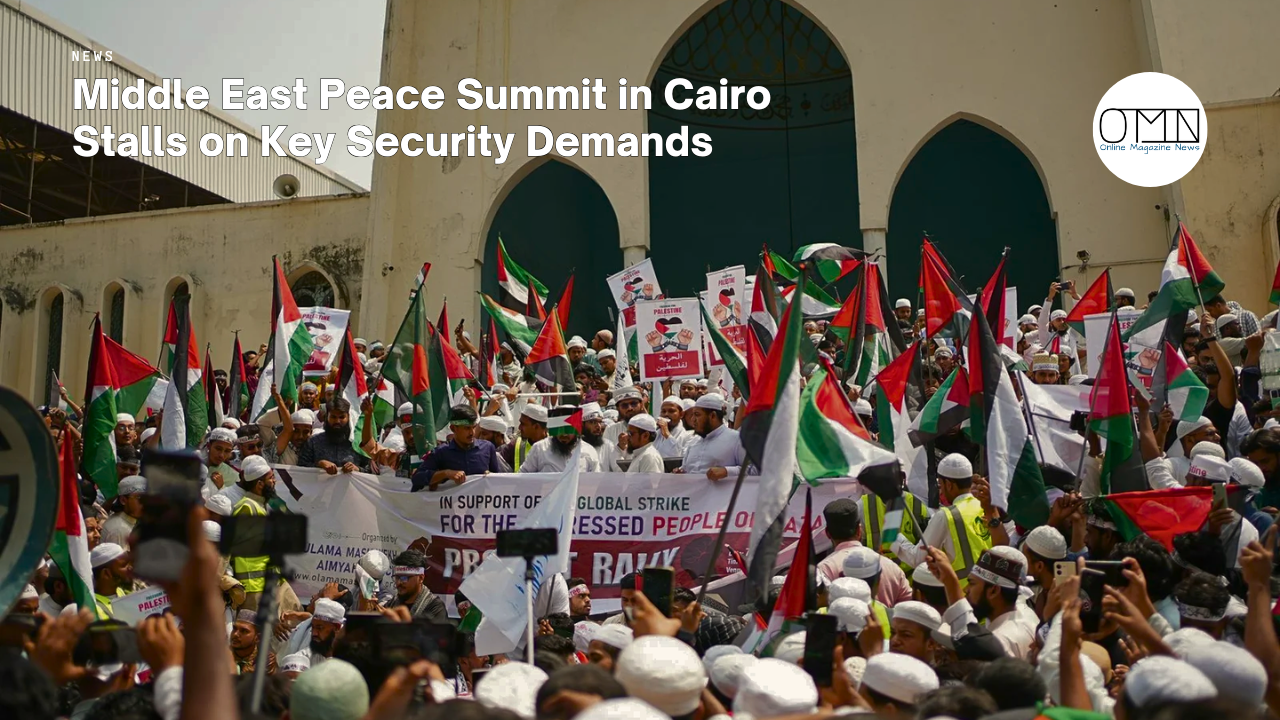
Why did the crucial Middle East peace summit in Cairo hit a wall this week? The latest round of the Middle East peace summit, held in Egypt’s bustling capital, has stalled over key security demands, forcing diplomatic efforts to intensify behind the scenes.
Key Takeaways
- The Cairo talks faltered primarily due to irreconcilable positions on fundamental security arrangements, particularly regarding border control and the presence of international monitors.
- Key players, including regional powers and international mediators, are now engaging in intensive bilateral and multilateral diplomatic efforts to find common ground.
- The specific points of contention revolve around withdrawal timelines, addressing the influence of non-state actors, and ensuring the long-term safety of all parties involved.
- Despite the current impasse, the commitment to continued dialogue remains, indicating a recognition among all sides that a negotiated solution, however difficult, is preferable to escalating conflict.
- The outcome of these ongoing negotiations will significantly impact regional stability and set a precedent for future international relations in the broader Middle East.
Table of Contents
- What is the Middle East Peace Summit in Cairo?
- Why Did the Cairo Talks Stall? Unpacking the Security Demands
- The Weight of Geopolitics: Why These Demands Matter So Much
- Common Misconceptions About Peace Negotiations
- Intensifying Diplomatic Efforts: What’s Next for the Negotiators?
- A Personal Perspective: The Long Game of Middle East Diplomacy
- Acknowledging the Trade-offs: No Easy Answers
- Analyzing the Stakes for Global Stability in 2026
- Comparing Regional Peace Efforts: A Historical View
- Frequently Asked Questions About the Cairo Peace Summit
What is the Middle East Peace Summit in Cairo?
The Middle East peace summit in Cairo is not a singular event but rather a recurring forum, often convened by Egypt, aimed at de-escalating conflicts and forging pathways to lasting stability in the volatile region. These high-level gatherings typically bring together foreign ministers, heads of state, and senior diplomats from various regional and international stakeholders, including the Palestinian Authority, Israel, Saudi Arabia, Jordan, Qatar, the United Arab Emirates, and often the United States, the European Union, and the United Nations. The overarching goal is always to find common ground on deeply entrenched issues.
Historically, Cairo has served as a pivotal diplomatic hub, hosting numerous critical negotiations, from the Camp David Accords in 1978 to subsequent attempts at fostering regional cooperation. The city’s strategic location and Egypt’s long-standing role as a mediator lend significant weight to any discussions held within its borders. These summits represent a vital, if often frustrating, mechanism for direct dialogue between parties that might otherwise only communicate through proxies or conflict. They aim to tackle core issues such as border demarcation, refugee rights, resource sharing, and, most critically, security arrangements.
The current iteration of the Cairo talks, spanning several intense days this past week, sought to build on previous, less formal discussions. Mediators hoped to achieve breakthroughs on specific, actionable items, particularly those related to immediate security concerns that have fueled recent flare-ups. This isn’t just about handshake photo opportunities; it’s about hammering out the intricate details of coexistence, a process that inherently demands immense patience and political will from all involved parties.
Why Did the Cairo Talks Stall? Unpacking the Security Demands
The core reason the recent Middle East peace summit in Cairo stalled came down to fundamental disagreements on key security demands. These aren’t minor points; they touch the very essence of national sovereignty and existential threats perceived by the negotiating parties. Security, naturally, is paramount for any lasting accord, but defining it in a way that satisfies all sides is where the real challenge lies. When you’re dealing with decades of mistrust and conflict, every border patrol, every checkpoint, every demilitarized zone becomes a point of intense negotiation.
One primary sticking point centered on the issue of future border controls. Which entity would be responsible for securing newly drawn or recognized boundaries? Would it be a joint force, an international presence, or solely the responsibility of one party? For instance, Israel has consistently emphasized the need for demonstrable security guarantees, particularly regarding its borders with Palestinian territories and neighboring states. They advocate for robust security zones and oversight mechanisms, often citing past security breaches as justification for stringent controls. This perspective often clashes with Palestinian demands for full sovereignty and unhindered movement for their populace.
The Core Disagreement on Border Security
At the heart of the impasse was the intractable debate over who holds ultimate authority over borders and crossings. Palestinian negotiators pushed for complete control over their future state’s borders, viewing it as a non-negotiable aspect of self-determination. They argue that continued external control over their movement and trade stifles economic growth and perpetuates a sense of occupation. For example, recent proposals involving a transitional international monitoring force, while seen by some as a compromise, were met with skepticism from both sides, each fearing it would undermine their respective security or sovereignty.
On the other hand, Israeli officials, including Defense Minister Avi Cohen, publicly reiterated their stance that any peace agreement must ensure Israel’s capacity to defend itself against all threats, stating in a recent interview, "We cannot compromise on the safety of our citizens." This translates into demands for continued surveillance capabilities, rapid deployment zones, and the ability to interdict illicit arms flows, particularly in areas historically used for smuggling. The gap between these two positions, one emphasizing full sovereignty and the other prioritizing proactive security, proved too wide to bridge in the current round of Cairo talks.
Withdrawal Timelines and Oversight Mechanisms
Another significant hurdle involved the timelines for any potential withdrawals of military or security personnel from disputed territories, alongside the nature of the oversight mechanisms meant to enforce peace terms. Specific details, such as a proposed 18-month withdrawal schedule for certain areas, reportedly met strong resistance. One side argued such a timeline was too rapid, risking a security vacuum, while the other deemed it too protracted, delaying the establishment of genuine autonomy.
And what about verification? The type of international presence, its mandate, and its authority were hotly debated. Some delegations pushed for a robust United Nations peacekeeping mission, similar to those deployed in other conflict zones, while others preferred smaller, bilateral monitoring groups or technological solutions. The sheer complexity of establishing trust and verifying compliance in such a deeply divided environment cannot be overstated. These debates often become bogged down in minutiae, where every clause and every word holds immense geopolitical significance.
Addressing Non-State Actors and Regional Influence
The role and influence of non-state armed groups also presented a formidable challenge. For Israel, ensuring the disarmament of groups designated as terrorist organizations is a non-negotiable security demand. They seek explicit commitments and verifiable mechanisms to prevent future attacks and rocket fire. This includes addressing the flow of arms and financial support to such groups from external actors.
Conversely, Palestinian factions argue that any peace deal must consider the political realities on the ground and address the root causes of grievances that fuel these groups. They often emphasize that economic deprivation and the lack of a political horizon contribute significantly to the appeal of extremist ideologies. This complex interplay of internal and external factors makes disarmament an incredibly thorny issue, one that has repeatedly derailed negotiations in the past and proved equally difficult at this Middle East peace summit.
The Weight of Geopolitics: Why These Demands Matter So Much
The security demands discussed in Cairo aren’t isolated technicalities; they are deeply intertwined with the broader geopolitical landscape of the Middle East. The region is a mosaic of alliances, rivalries, and external influences, meaning that any agreement between Israel and Palestine sends ripple effects far beyond their immediate borders. This is why progress, or the lack thereof, in the Middle East peace summit is closely watched by capitals from Washington D.C. to Tehran.
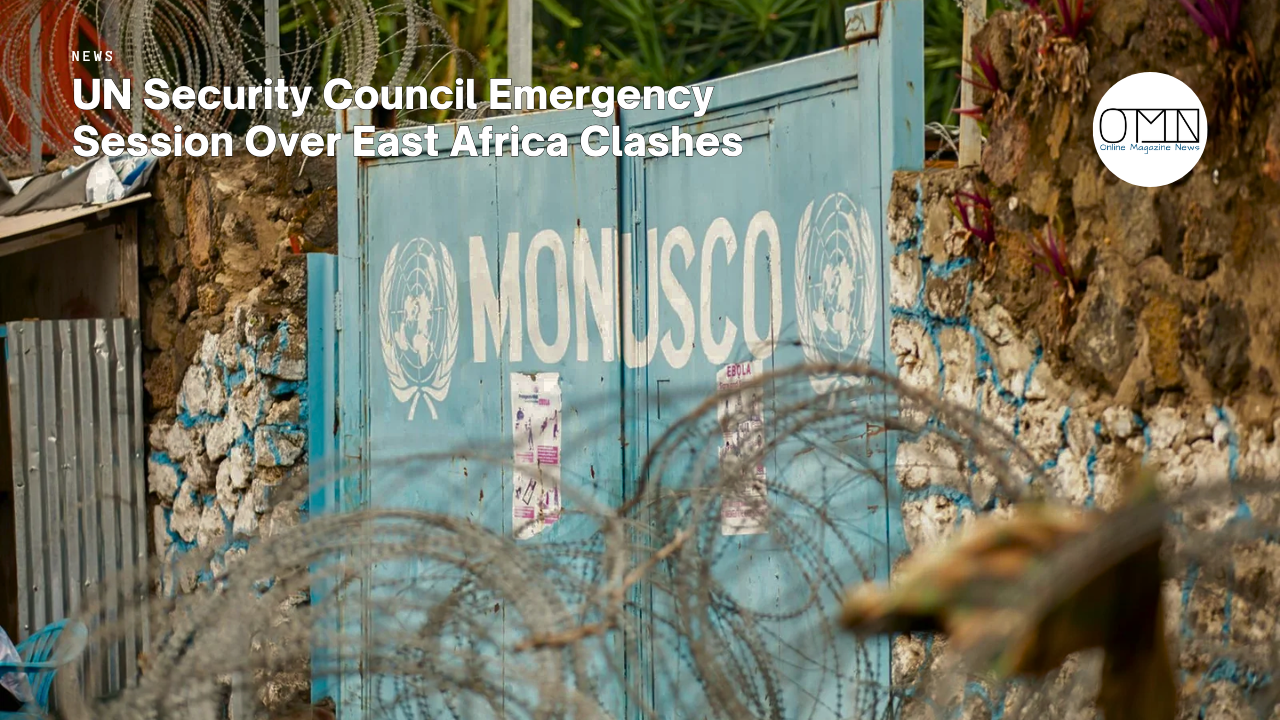
A stable resolution could unlock significant economic potential, foster regional cooperation on climate change and water scarcity, and diminish the appeal of extremist ideologies. Conversely, continued deadlock or a breakdown in talks risks further destabilization, potentially empowering hardline factions and inviting increased external interference. Just consider the UN Security Council Emergency Session After Escalating Tensions that occurred last year, these events highlight the fragility of the status quo and the urgent need for a diplomatic path forward.
Impact on Regional Allies and Adversaries
The outcome of the Cairo talks has significant implications for regional allies and adversaries alike. Saudi Arabia, Jordan, and the United Arab Emirates, for instance, have a vested interest in a stable resolution, as it could facilitate broader economic integration and regional security partnerships. These nations often leverage their diplomatic weight to encourage progress, sometimes offering economic incentives or political backing to moderate factions.
Iran, on the other hand, views regional developments through a different lens, often supporting groups that oppose the peace process. Any agreement that enhances Israeli security or further integrates it into the regional architecture could be seen as a setback by Tehran, potentially leading to increased proxy activities or rhetorical escalation. It’s a delicate balance, where every concession and every demand is meticulously analyzed for its wider geopolitical ramifications. The recent discussions echo the complexities seen in the US and Iran Ceasefire 2026: What It Means for You and the World, underscoring how interconnected regional security issues truly are.
Humanitarian Concerns and Civilian Safety
Beyond the political machinations, the stalled negotiations have profound humanitarian consequences. Millions of civilians in the Palestinian territories and Israel live under the constant shadow of conflict, experiencing daily insecurity, economic hardship, and psychological stress. The inability to agree on security arrangements directly impacts the freedom of movement, access to essential services, and overall quality of life for these populations.
International organizations, including the UN Relief and Works Agency (UNRWA), consistently highlight the deteriorating humanitarian situation, particularly in Gaza. Resolving security demands could pave the way for increased humanitarian aid, reconstruction efforts, and economic development, offering a tangible peace dividend to the ordinary people caught in the crossfire. But until those foundational security issues are addressed, these vital improvements remain largely out of reach. The human cost of continued diplomatic failure is, quite simply, immense.
Common Misconceptions About Peace Negotiations
When watching major international events like the Middle East peace summit, it’s easy to fall prey to certain misconceptions about how peace negotiations actually work. Many assume that breakthroughs happen suddenly, or that a single summit can resolve decades of conflict. The truth is, diplomacy is a slow, arduous process, often characterized by more setbacks than successes in the short term.
One prevalent myth is that a powerful external mediator can simply impose a solution. While external powers like the United States or the European Union certainly play a crucial role in facilitating talks and providing incentives, ultimate agreement requires genuine political will from the direct parties involved. Without that internal commitment, any externally imposed solution is unlikely to last. Another misconception is that peace is a binary state: either you have it or you don’t. In reality, peacebuilding is a continuum, with periods of progress, stagnation, and even regression. The goal is often incremental steps forward, building trust layer by painful layer, rather than a single grand bargain.
Look, when I covered the Oslo Accords era in the 1990s, the optimism was palpable. Everyone thought a lasting peace was just around the corner, a mere few years away. What most guides miss is that those initial agreements, while groundbreaking, only laid a foundation. The real work, the hard, granular negotiations on security, borders, and settlements, always proved far more challenging than the initial declarations of intent. It’s why this current stall in Cairo feels so familiar.
Another common belief is that the issues are purely rational and can be solved with logical compromises. While data and facts are important, the Middle East conflict is deeply emotional, rooted in historical narratives, collective trauma, and deeply held identities. These emotional factors often override purely rational calculations at the negotiating table. Understanding these underlying currents is crucial for any observer trying to make sense of the diplomatic dance.
Intensifying Diplomatic Efforts: What’s Next for the Negotiators?
Despite the recent stall in the Cairo talks, diplomatic efforts are far from over. In fact, they are intensifying, albeit in less public and more focused formats. The immediate aftermath of such a setback often sees a shift from large, multi-party summits to more discreet bilateral engagements and back-channel communications. This allows parties to explore potential compromises away from the glare of media attention, where positions tend to harden for public consumption.
We’re already seeing reports of senior envoys from Washington, D.C., and Brussels engaging in shuttle diplomacy, meeting separately with Israeli and Palestinian officials. The aim is to identify specific areas where flexibility might exist, even if only on technicalities initially. These efforts often involve presenting "non-papers", informal proposals circulated to gauge reactions without official commitment, to test the waters for new ideas. The challenge is to find novel approaches to security demands that acknowledge the legitimate concerns of all sides while still moving towards a viable framework for peace. This kind of behind-the-scenes engagement is often the most productive stage after a public impasse.
Bilateral Engagements and Third-Party Mediation
The immediate path forward will likely involve a surge in bilateral engagements. This means direct, often secret, meetings between Israeli and Palestinian negotiators, sometimes facilitated by a trusted third party. Countries like Egypt, Jordan, and Qatar often play this crucial mediating role, leveraging their relationships with both sides to keep communication lines open.
For instance, Egyptian intelligence officials have a long history of mediating ceasefires and prisoner exchanges, building up a reservoir of trust that can be invaluable in moments of crisis. These bilateral talks can focus on smaller, confidence-building measures that don’t directly tackle the core security demands but create an atmosphere conducive to future breakthroughs. Things like joint economic projects in specific border areas or agreements on cultural exchanges, while seemingly small, can sometimes unlock larger political will.
The Role of Economic Incentives in Resolution
Beyond security, economic incentives often serve as a powerful, if sometimes overlooked, tool in diplomatic efforts. Major international players, including the United States, the European Union, and Gulf states, can offer substantial aid packages, investment opportunities, or trade agreements contingent on progress in peace talks. The promise of significant economic revitalization for the Palestinian territories, coupled with enhanced trade and security for Israel, can sweeten the deal for both sides.
Consider the potential for infrastructure projects, desalination plants, energy grids, or transportation networks, that could benefit both populations. These "peace dividends" can create a strong incentive for leaders to take political risks and make difficult concessions on security. However, for these incentives to be effective, they must be perceived as credible and sustainable, offering long-term benefits rather than temporary bandages. It’s a delicate dance of carrots and sticks, always.
A Personal Perspective: The Long Game of Middle East Diplomacy
From my years covering this region, one undeniable truth emerges: the path to peace is rarely linear. What we’ve seen in the Cairo talks, a frustrating stall over seemingly intractable security demands, is less an anomaly and more a chapter in a very long, complex book. I’ve witnessed countless rounds of negotiations, felt the surge of hope when a breakthrough seemed imminent, and then the inevitable slump when old grievances resurfaced or new obstacles appeared. It’s emotionally exhausting for everyone involved, not just the diplomats, but the millions of people whose lives hang in the balance. The part nobody warns you about is the sheer psychological toll of repeated failure, and yet, the necessity of continuing to try. It’s easy to become cynical, but the alternative, giving up, is simply not an option.
The truth is, genuine peace requires a generational shift in mindset, not just a document signed by leaders. It demands that societies reckon with their past, acknowledge each other’s narratives, and commit to a shared future that transcends historical animosities. And that, my friends, takes far longer than any single summit can achieve. It’s a testament to the resilience of those seeking peace that these efforts continue, even when they seem to be going nowhere.
Acknowledging the Trade-offs: No Easy Answers
A trustworthy analysis of the Middle East peace summit, and indeed any complex geopolitical negotiation, must acknowledge the inherent trade-offs. There are no perfect solutions, only difficult compromises, and recognizing this is crucial for understanding why progress is so agonizingly slow. For one side to gain a measure of security, the other often perceives a loss of sovereignty or autonomy. This zero-sum perception is precisely what negotiators spend countless hours trying to overcome.
For instance, enhanced international monitoring to ensure compliance with security protocols, while potentially reassuring one party, might be seen by another as an infringement on national pride or a lingering form of external control. Similarly, a phased withdrawal schedule that provides security guarantees for one side might be viewed as a delaying tactic by the other, prolonging an unacceptable status quo. These are not simple policy choices; they are deeply personal and politically charged decisions that carry immense risks for the leaders involved. The danger is always that a leader who makes too many concessions will be seen as weak or a traitor by their own people, undermining their domestic legitimacy.
If you’re looking to understand the intricate historical context that shapes these trade-offs, a book like The Middle East: A Brief History of the Last 2,000 Years by Bernard Lewis offers an invaluable perspective. It helps illustrate how deeply rooted many of the current issues are, making it clear why quick fixes are rarely viable.
Analyzing the Stakes for Global Stability in 2026
The implications of the Middle East peace summit stalling in Cairo reverberate far beyond the region itself, significantly affecting global stability in 2026 and beyond. A lack of resolution here can embolden extremist groups worldwide, divert international attention and resources from other pressing global challenges, and create unpredictable shifts in international alliances. Think about the global economy: instability in the Middle East consistently impacts energy prices, shipping routes, and investor confidence, with tangible effects on everyday consumers.
Consider the recent fluctuations in global oil markets, for instance. Analysts at BP warned in Q1 2026 that "geopolitical tensions in the Middle East remain the single largest variable impacting oil supply forecasts for the next 18 months." This directly ties into the outcomes of peace negotiations. A sustained period of diplomatic deadlock also risks pushing regional powers to seek unilateral security solutions, potentially escalating localized skirmishes into broader, more dangerous confrontations. The current geopolitical climate demands clarity and cooperation, not further ambiguity and division.
Moreover, the success or failure of these talks serves as a barometer for the effectiveness of multilateral diplomacy itself. If the international community, led by major powers, cannot facilitate a breakthrough on such a critical and long-standing conflict, it raises questions about its capacity to address other complex global crises, from climate change to nuclear proliferation. This isn’t just a regional concern; it’s a test of the international system’s ability to maintain peace and security globally. For those looking to delve deeper into the mechanics of high-stakes negotiations, Negotiating the Nonnegotiable by Daniel Shapiro provides a framework for understanding and addressing the emotional and identity-based obstacles that often derail peace efforts, much like those seen in Cairo.
Comparing Regional Peace Efforts: A Historical View
The current impasse at the Middle East peace summit in Cairo is, unfortunately, not an isolated incident in the long history of regional diplomatic efforts. Understanding past attempts can provide crucial context for the challenges faced today. Historically, peace initiatives in the Middle East have often been characterized by periods of intense negotiation followed by significant setbacks, sometimes due to changes in leadership, shifts in regional power dynamics, or the resurgence of violence.
Take, for instance, the Madrid Peace Conference of 1991, which brought together Israel, Syria, Lebanon, and Palestinian representatives for the first time in direct negotiations. While it didn’t yield immediate breakthroughs, it established a framework for bilateral and multilateral talks that paved the way for the Oslo Accords. Yet, even Oslo, initially hailed as a monumental achievement, eventually collapsed over issues remarkably similar to those debated today: borders, settlements, and security. The Middle East Peace Talks Collapse Global Leaders React article on our site details the aftermath of one such failure, showing just how quickly hope can turn to despair.
What differentiates these historical efforts is often the specific blend of geopolitical circumstances, the readiness of leaders to compromise, and the level of international pressure and support. For example, the context of the Cold War significantly shaped early peace attempts, while today’s talks are influenced by a multipolar world and the rise of new regional players. The constant variable, it seems, is the difficulty of reconciling deeply held national interests with the imperative for collective security. Each round of talks builds upon, or is haunted by, the ghosts of those that came before.
Historical Middle East Peace Initiatives: A Brief Comparison
| Initiative | Year(s) | Key Participants | Primary Focus | Outcome/Impact on Security Demands |
|---|---|---|---|---|
| Camp David Accords | 1978 | Egypt, Israel, U.S. | Bilateral peace treaty between Egypt and Israel | Achieved peace treaty; established security zones and demilitarized areas, significantly altering Egypt-Israel border security. |
| Madrid Peace Conference | 1991 | Israel, Palestinians, Syria, Lebanon, Jordan, U.S., Russia | Framework for comprehensive peace, bilateral and multilateral tracks | Laid groundwork for Oslo; highlighted intractable issues but created a direct dialogue platform for security concerns. |
| Oslo Accords | 1993-1995 | Israel, PLO, Norway, U.S. | Interim self-government for Palestinians; mutual recognition | Established Palestinian Authority; security cooperation mechanisms were central but ultimately stalled over final status issues and control over territory. |
| Wye River Memorandum | 1998 | Israel, PA, U.S. | Implementation of Oslo agreements, further Israeli withdrawals | Focused heavily on security commitments from PA to combat terrorism; partial implementation before further breakdowns. |
| Annapolis Conference | 2007 | Israel, PA, U.S., various Arab states | Two-state solution discussions, final status issues | Restarted negotiations briefly; failed to resolve core security issues and border questions before fading. |
| Cairo Peace Summit (Current) | 2026 | Regional and International Leaders | Addressing immediate security concerns, regional stability | Stalled over key security demands, particularly border control, withdrawal timelines, and non-state actors’ roles. Intensified diplomatic efforts are ongoing. |
Frequently Asked Questions About the Cairo Peace Summit
What are the primary security demands that stalled the summit?
The primary security demands that caused the Middle East peace summit to stall revolve around control over future borders, the timelines and conditions for military withdrawals from disputed territories, and mechanisms to address the activities of non-state armed groups. Each party has deeply entrenched positions on these issues, viewing them as existential to their national security or self-determination.
Who are the main parties involved in the Cairo talks?
The main parties typically include representatives from the Palestinian Authority, Israel, Egypt (as host and mediator), Jordan, Saudi Arabia, Qatar, and often key international facilitators like the United States, the European Union, and the United Nations. Other regional players may also participate or contribute behind the scenes.
What happens now that the peace summit has stalled?
Following the stall, diplomatic efforts typically intensify through less public channels. This includes bilateral meetings between key negotiators, shuttle diplomacy by third-party mediators, and back-channel communications to explore potential compromises. The goal is to keep dialogue alive and identify small steps that could eventually lead to a resumption of formal talks.
How do these security demands impact civilians in the region?
Unresolved security demands have direct and severe impacts on civilians. They contribute to ongoing instability, restrict freedom of movement, hinder economic development, and perpetuate a cycle of violence and insecurity. A stable security agreement is essential for improving humanitarian conditions and fostering a sense of normalcy for millions.
Is there a possibility of renewed violence after the stall?
While a stall in peace talks always carries the risk of renewed tensions or violence, diplomatic efforts are specifically geared toward preventing such an outcome. Mediators work tirelessly to de-escalate rhetoric and maintain a semblance of dialogue, even when formal negotiations are paused. However, the risk remains elevated until concrete agreements are reached.
What role does Egypt play in these peace efforts?
Egypt plays a crucial and multifaceted role. As the host nation, it provides the physical space for negotiations and often acts as a neutral convener. More importantly, Egypt leverages its long-standing diplomatic relationships with both Israeli and Palestinian leadership to mediate disputes, build trust, and facilitate back-channel communications, serving as a critical bridge in the peace process.
How long do these diplomatic impasses typically last?
The duration of diplomatic impasses varies wildly. Some can be resolved in weeks through intensive back-channel efforts, while others can drag on for months or even years, becoming part of a protracted cycle of negotiation and deadlock. The speed of resolution depends heavily on the political will of the parties involved and the urgency of external pressures.
The current stall in the Middle East peace summit in Cairo is a stark reminder of the immense challenges inherent in resolving one of the world’s most enduring conflicts. While the breakdown over core security demands is disheartening, it is critical to recognize that diplomacy is a marathon, not a sprint. The intensifying diplomatic efforts now underway, often behind closed doors, are a testament to the fact that all parties, and the international community, understand the catastrophic cost of inaction. Progress may be agonizingly slow, and setbacks are inevitable, but the pursuit of a just and lasting peace remains an absolute imperative for regional and global stability. The world watches, waits, and hopes these critical conversations can soon find their footing once more.