Turning 50 is often celebrated as a major milestone, a “golden age” where life experience meets a new chapter of personal freedom. However, from a medical perspective, this birthday serves as a critical pivot point. It is the decade where proactive maintenance becomes just as important as daily habits. Preventive tests after 50 aren’t just about looking for problems; they are about establishing a baseline that ensures the next 30 or 40 years are lived with high quality and mobility.
In the medical world, we often say that “early detection is the best cure,” but for those over 50, it is more about risk management. Many conditions that become common in later life, such as hypertension, type 2 diabetes, and certain cancers, often don’t show symptoms until they’ve progressed. By staying on top of your health screenings, you can identifies issues while they are still easily manageable or even reversible.
Key Takeaways: Health After 50
- Colorectal Screening is Non-Negotiable: Start at 45 or 50 depending on risk; it can prevent cancer by removing polyps.
- Heart Health: Blood pressure and cholesterol checks should be frequent to prevent “silent” cardiovascular issues.
- Bone Density: Women should prioritize DEXA scans to monitor for osteoporosis post-menopause.
- Immunizations: Shingles and pneumonia vaccines become essential additions to your annual flu shot.
- Proactive Vision & Hearing: Sensory decline can impact cognitive health; early intervention keeps the brain sharp.
Table of Contents
- 1. Colorectal Cancer Screening
- 2. Blood Pressure and Cholesterol Profiles
- 3. Blood Glucose (A1C) Testing
- 4. Bone Density (DEXA) Scan
- 5. Vision and Hearing Exams
- 6. Professional Skin Checks
- 7. Prostate and Breast Cancer Screenings
- 8. Updated Immunization Schedule
- 9. Comprehensive Dental Exams
- 10. Mental Health and Cognitive Baselines
- Comparison of Screening Frequencies
- Frequently Asked Questions
1. Colorectal Cancer Screening
If there is one test you shouldn’t delay, it’s the colonoscopy. While the American Cancer Society now recommends starting at age 45 for those with average risk, the 50s are a decade of high vigilance. Colorectal cancer is unique because it almost always starts as a small growth called a polyp. During a colonoscopy, a doctor can actually remove these polyps before they ever have the chance to turn into cancer.
For those who are hesitant about invasive procedures, there are now highly accurate stool-based tests like Cologuard. However, keep in mind that if a stool test comes back positive, a follow-up colonoscopy is still required. Think of this test as a “clean slate” for your digestive health. If your results are clear, you likely won’t need another one for ten years.

2. Blood Pressure and Cholesterol Profiles
Cardiovascular disease remains the leading cause of death globally, but it is also one of the most preventable through regular checkups after 50. High blood pressure is often called the “silent killer” because it has no outward signs. By 50, your arteries may naturally begin to stiffen, making it harder for blood to flow freely.
A full lipid panel should measure your “good” (HDL) and “bad” (LDL) cholesterol, along with triglycerides. If you’ve been following the health and diet secrets of celebrities like Ali Larter, you know that keeping your heart healthy requires a balance of movement and nutrition. Regular testing ensures that your internal numbers reflect your external efforts.
3. Blood Glucose (A1C) Testing
How often should you be screened for diabetes after 50? At least every three years, though many doctors prefer an annual check. The Hemoglobin A1C test provides a three-month average of your blood sugar levels. This is far more accurate than a simple finger-prick test, as it shows the “big picture” of how your body processes glucose.
Type 2 diabetes often creeps up in the 50s due to hormonal shifts and metabolic slowdown. Catching it in the “prediabetes” stage is a massive win. At this point, lifestyle changes can often push your numbers back into the healthy range without the need for lifetime medication. Just as we see in the latest updates on Ariana Grande’s health, managing a diagnosis early is key to maintaining a busy, fulfilling life.
4. Bone Density (DEXA) Scan
Osteoporosis isn’t just a concern for the “elderly.” For women, the rapid drop in estrogen during menopause can lead to significant bone loss in a very short window. A DEXA scan is a low-radiation X-ray that measures bone mineral density. It tells you if your bones are becoming porous or brittle before you ever suffer a fracture.
While men generally have higher bone density, they aren’t immune. Men with risk factors like smoking or long-term steroid use should also discuss this test with their providers. Strong bones are the literal foundation of physical independence as we age.
5. Vision and Hearing Exams
Many of us take our senses for granted until they start to fade. Presbyopia (the need for reading glasses) is common, but eye exams after 50 are more about checking for glaucoma, cataracts, and macular degeneration. These conditions can often be slowed down if caught early, but lost vision is rarely recovered.
Similarly, hearing loss has been linked in recent studies to a higher risk of dementia and cognitive decline. When the brain has to work harder to decode sound, it has less “processing power” for memory and thought. Modern hearing aids are nearly invisible and can drastically improve your social engagement and mental sharpness.
6. Professional Skin Checks
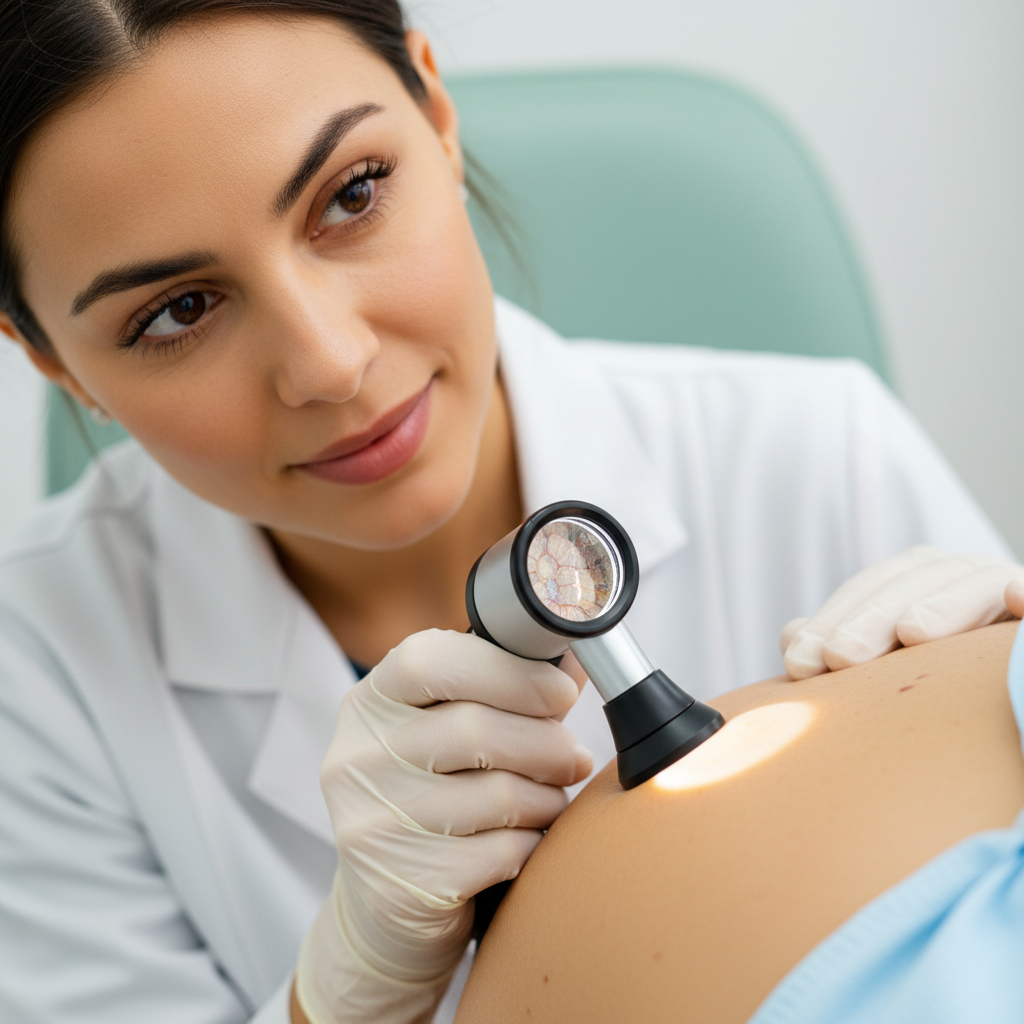
By age 50, your skin has likely seen five decades of sun exposure. Even if you were diligent about sunscreen in your 30s, the damage from your youth may start to surface now. A dermatologist can spot suspicious moles or lesions that you might miss on your own back or scalp.
Skin cancer, particularly melanoma, is highly treatable when caught early but can be aggressive if ignored. An annual “birthday suit” exam takes less than fifteen minutes but can be life-saving. In an era where even celebrity news focuses on health challenges, like the viral stories surrounding Ariana Grande, it is a reminder that looking after our physical shell is a full-time job.
7. Prostate and Breast Cancer Screenings
For women, annual or biennial mammograms remain the gold standard. While there is various debate on the exact frequency, most experts agree that regular imaging through age 75 is essential. For men, the PSA (Prostate-Specific Antigen) blood test is a common way to screen for prostate issues. While a high PSA doesn’t always mean cancer, it opens the door for a conversation about prostate health and urinary function.
8. Updated Immunization Schedule
Your 50s isn’t just about tests; it is about updates. The Shingrix vaccine for shingles is now recommended starting at age 50. If you have ever had chickenpox, the virus stays dormant in your nerves; shingles can be an incredibly painful reactivation. Additionally, ensure you are up to date on your Tdap (tetanus, diphtheria, and pertussis) booster every ten years.
9. Comprehensive Dental Exams
Gum disease is more than just a dental problem; it is an inflammatory condition linked to heart disease and diabetes. As we age, our gums may recede, and old fillings may fail. Regular cleanings remove the hardened plaque that your toothbrush can’t reach, protecting your systemic health through your mouth.
10. Mental Health and Cognitive Baselines
The 50s can be a stressful decade, often referred to as the “sandwich generation” years where you may be caring for both children and aging parents. Depression and anxiety shouldn’t be dismissed as “just stress.” Talking to your doctor about your mental well-being is a vital part of preventive health screenings. Establishing a cognitive baseline now can also help doctors track any changes in memory or focus in the decades to come.
Summary of Essential Health Screenings
| Screening / Test | Frequency (Average Risk) | Why It Matters |
|---|---|---|
| Colonoscopy | Every 10 years | Prevents colon cancer by removing polyps. |
| Blood Pressure | Every 1-2 years | Prevents heart attack and stroke. |
| Mammogram / PSA | Every 1-2 years | Early detection of breast/prostate cancer. |
| A1C (Diabetes) | Every 3 years | Catches prediabetes before it escalates. |
| Skin Check | Annually | Screens for melanoma and basal cell carcinoma. |

Frequently Asked Questions
What are the most important blood tests for a 50-year-old?
The most vital blood tests include a Lipid Panel (for cholesterol), an A1C test (for blood sugar), and a Basic Metabolic Panel (to check kidney and liver function). These provide a “dashboard” view of your internal health and metabolic status.
Do men need a bone density scan at 50?
While often associated with women, men should consider a DEXA scan if they have risk factors like a history of smoking, heavy alcohol use, or specific medications. Most guidelines suggest all men have one by age 70, but 50 is the time to assess your personal risk profile with a doctor.
Is a colonoscopy painful?
Modern colonoscopies are typically performed under “twilight sedation,” meaning you are asleep and won’t feel a thing. The most challenging part for most people is the “prep” day before the procedure, involving a clear liquid diet and laxatives. However, the 15-minute procedure can prevent years of cancer treatment.
How often should I get my eyes checked after 50?
The Mayo Clinic suggests a comprehensive eye exam every one to two years once you hit 50. This isn’t just for vision correction; it is to screen for internal eye pressure and retinal health which can indicate other systemic issues like diabetes.
What vaccines do I need at age 50?
The Shingrix (shingles) vaccine is the big one for this age group. You should also ensure you are getting an annual flu shot and staying current on your Tdap booster. Depending on your health history, your doctor might also recommend the pneumonia vaccine early.
Taking charge of your health in your 50s is about empowerment, not fear. It is the perfect time to build a partnership with a primary care physician who understands your lifestyle and family history. While the list of screenings might seem daunting at first, many are only required every few years. By knocking out these essential preventive tests now, you are investing in a future where you can remain active, sharp, and present for all the moments that matter most. Don’t wait for a symptom to appear; schedule that first appointment today and give yourself the gift of peace of mind.