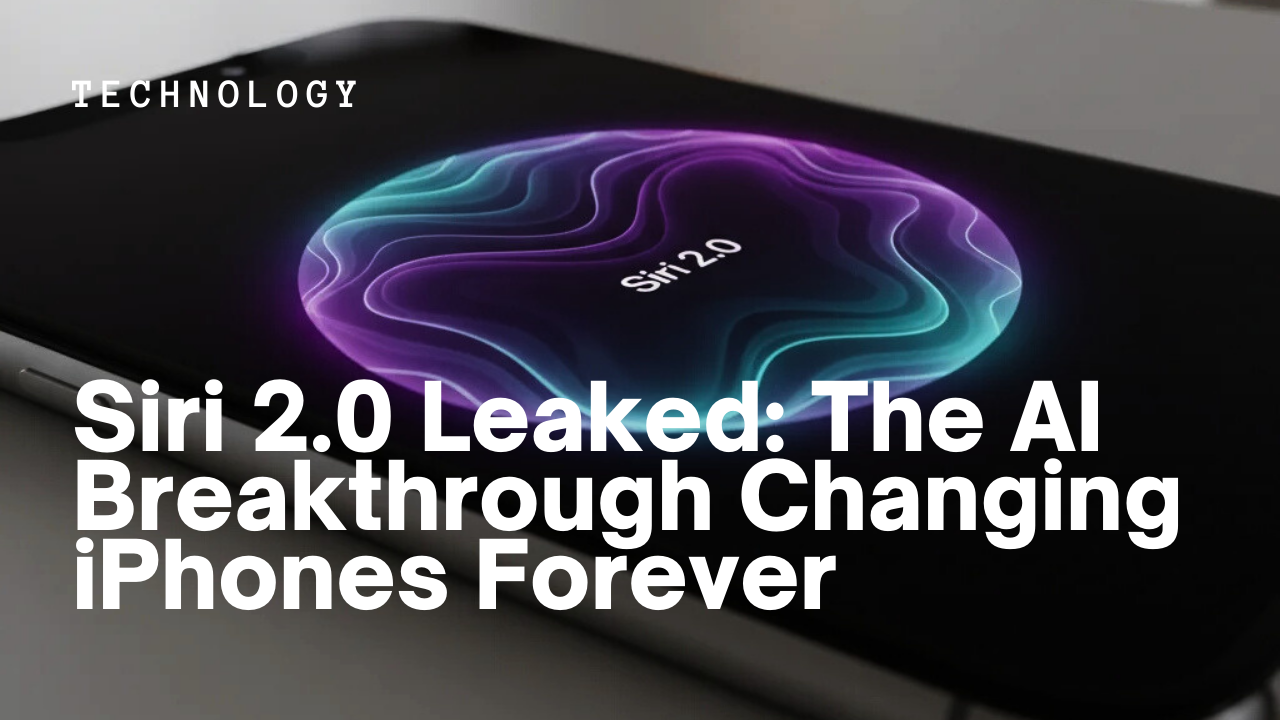
Apple is finally ready to stop playing catch-up. For the last couple of years, the tech giant from Cupertino has been uncharacteristically quiet while ChatGPT and Gemini dominated the headlines. But the latest leaks surrounding the upcoming WWDC 2026 rumors suggest that the “sleeping giant” has waken up with a project internally dubbed “Apple GPT.” This isn’t just a minor update; it is a fundamental rebuilding of the iPhone experience through what insiders are calling Siri 2.0.
According to recent tech news March 2026 reports, iOS 20 will include a massive overhaul of the digital assistant, moving away from simple voice triggers to a fully multimodal AI system. This means your iPhone won’t just hear you; it will “see” what is on your screen and understand the context of your life in real-time. If the rumors are true, the way you interact with your device is about to shift from tapping icons to having a continuous, intelligent conversation with a system that actually knows who you are.
Key Takeaways: Siri 2.0 Breakthroughs
- Multimodal Integration: Siri 2.0 can process text, voice, and on-screen images simultaneously to provide context-aware help.
- Apple GPT Engine: A proprietary Large Language Model (LLM) that runs locally on-device for privacy and speed.
- iOS 20 Ecosystem: Complete redesign of the iPhone interface, moving toward an AI-first “intent-based” UI.
- Personal Context: The AI will have access to your emails, messages, and calendar to predict your needs without data leaving the phone.
Table of Contents
- What is Siri 2.0 and How Does It Work?
- Apple GPT: How It Differs from ChatGPT and Gemini
- The Power of Multimodal AI on Your iPhone
- iOS 20 Rumors: An AI-First Interface
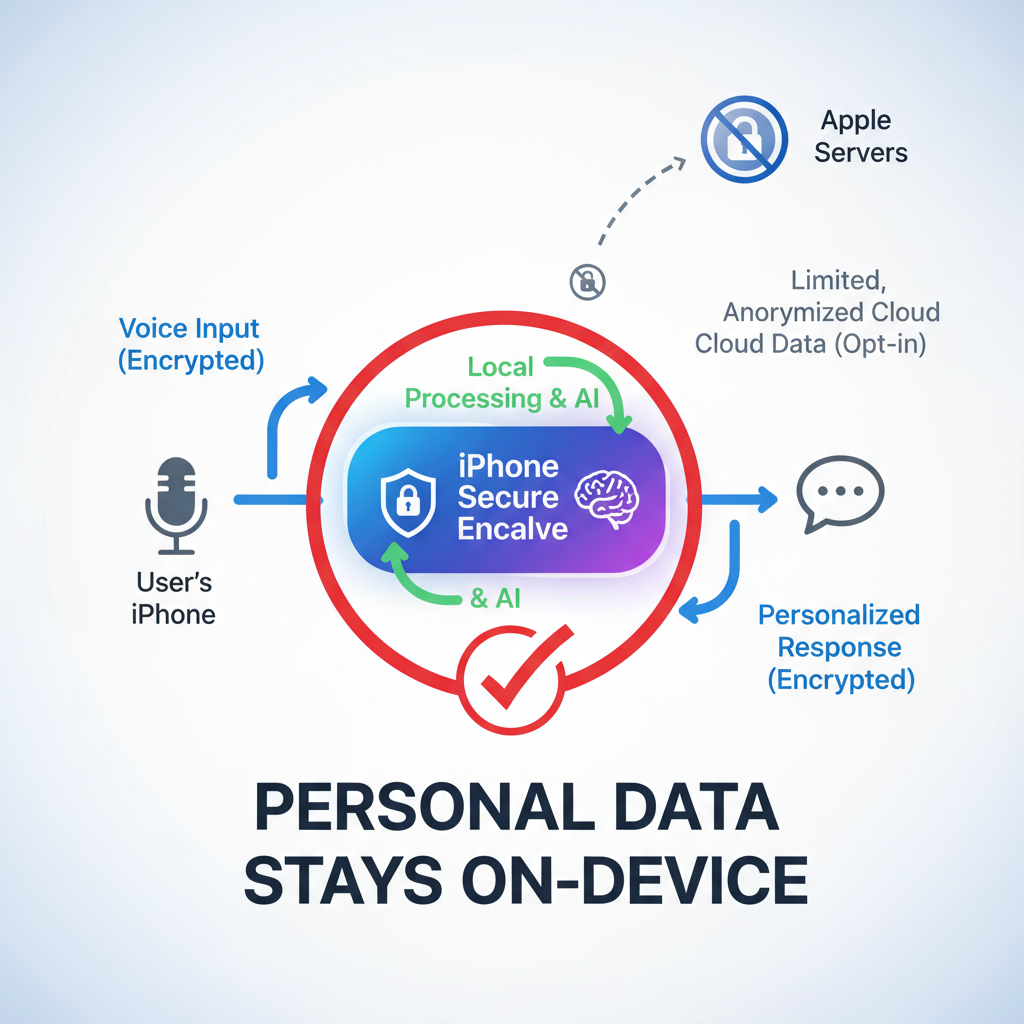
- On-Device Processing: The Privacy Advantage
- Legacy Siri vs. Siri 2.0 Comparison
- Frequently Asked Questions
What is Siri 2.0 and How Does It Work?
For years, Siri has been the butt of many jokes. We’ve all experienced the frustration of asking a simple question only to hear, “I found some results on the web.” Siri 2.0 aims to kill that version of the assistant forever. Unlike the current version, which relies on rigid intent templates, the new system is built on Apple GPT, a sophisticated generative AI model designed to understand nuanced natural language.
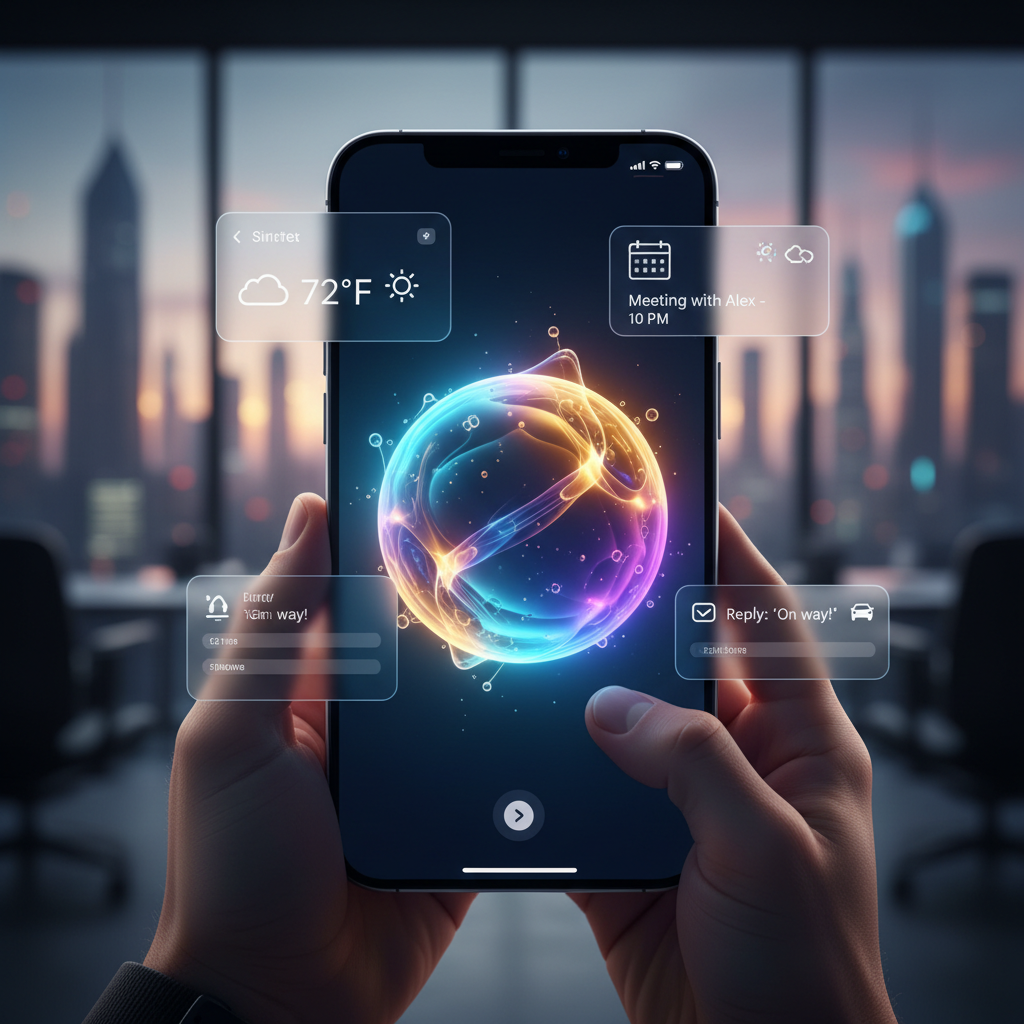
In practice, this means you can speak to your phone like you would a person. You won’t need to use specific “trigger words” for every action. If you tell Siri, “Send that photo I took yesterday at the park to my mom,” the AI will browse your library, identify the location metadata, find “Mom” in your contacts, and prepare the message. It’s about moving from “command and control” to “collaborative intelligence.”
Apple GPT: How It Differs from ChatGPT and Gemini
While companies like OpenAI and Google have focused on cloud-based power, Apple is taking a different path. According to Forbes, Apple’s investment in AI hardware, specifically the Neural Engine in their latest chips, allows them to run massive models locally. This reduces latency significantly; you won’t be waiting for a server to “think” before Siri responds.
Furthermore, Apple AI features are being designed to integrate deeply with the OS. While ChatGPT lives inside an app, Siri 2.0 resides in the system kernel. It can reach into your apps (with your permission) to perform cross-app tasks that were previously impossible. This level of deep integration is something third-party LLMs simply cannot match due to sandbox restrictions on iOS.
The Power of Multimodal AI on Your iPhone
The term multimodal AI might sound like tech jargon, but it’s the secret sauce of the 2026 iPhone lineup. Put simply, it means the AI can “see” through your camera or “look” at your screen while you talk to it. Imagine you’re looking at a flyer for a concert on Instagram. You could say, “Hey Siri, put this on my calendar and check if I’m free.” Siri would scan the screen for the date, time, and location, check your iCal, and provide an answer instantly.
This leap in capability is why rumors suggest the hardware in the iPhone 17 Air will be specifically tuned for these high-bandwidth AI tasks. The ability to process visual and audio data simultaneously requires immense RAM and specialized processing power, which Apple has been quietly building toward for years.
iOS 20 Rumors: An AI-First Interface
With iOS 20, the home screen we’ve known since 2007 might finally start to disappear. Leaks suggest an “Intent-Based UI” where the phone predicts what you want to do before you even tap an icon. If you usually call your partner after work, Siri might suggest the call button or even a draft message with a summary of your day’s achievements.
As we see in other sectors, like the way Max Verstappen’s potential team moves involve complex behind-the-scenes data, Apple is using massive data sets to predict user behavior. The goal is a “zero-touch” experience where the device serves you, rather than you managing the device. Expect widgets to become much more dynamic, changing their content based on what the AI thinks you need at that exact moment.
On-Device Processing: The Privacy Advantage
One of the biggest hurdles for AI has always been privacy. Most people aren’t comfortable with a giant corporation reading every email to “train” an AI. Apple is positioning itself as the “Anti-Google” here. By keeping Apple AI features on-device, your personal data never touches the cloud. This is a massive engineering feat that sets a new industry standard.
By using federated learning, Apple can improve its models without ever seeing your specific files. According to research from HubSpot on consumer sentiment, privacy remains a top-three concern for tech buyers. Apple’s “Siri 2.0” promises to offer the smartest AI on the market without the “creepiness” factor associated with cloud-based competitors.
Legacy Siri vs. Siri 2.0 Comparison
| Feature | Legacy Siri (2011-2024) | Siri 2.0 (2026+) |
|---|---|---|
| Brain Engine | Intent-Recognition Trees | Generative Apple GPT LLM |
| Contextual Awareness | Session-based only | Full Screen & OS History |
| Processing | Heavily Cloud-Dependent | Primary On-Device |
| Interaction style | Simple Commands | Natural Conversation |
| Multimodal Support | No | Yes (Camera/Screen/Voice) |
Frequently Asked Questions
When is the Siri 2.0 release date?
While Apple has not officially confirmed the date, the WWDC 2026 rumors suggest a full reveal in June 2026, with a public release following in September alongside the iPhone 18 launch. Developers will likely get a beta version of iOS 20 immediately after the June keynote.
Will my current iPhone support Siri 2.0?
Because Siri 2.0 and multimodal AI require significant hardware power, it is rumored to be limited to the iPhone 16 Pro and newer. Devices with at least 8GB or 12GB of RAM will be necessary to run the Apple GPT model locally.
Is Apple GPT better than ChatGPT?
In terms of general knowledge, ChatGPT may still have an edge due to its massive cloud-based training data. However, for “Personal Intelligence”, knowing who your friends are, your schedule, and your habits, Apple GPT will likely be superior because of its deep system integration.
How does multimodal AI change Siri?
It allows Siri to use multiple “senses.” For example, you can point your camera at a broken appliance and ask Siri, “How do I fix this?” and the AI will recognize the object and pull up the specific repair manual or a relevant tutorial video.
Can Siri 2.0 work without an internet connection?
Yes, that is a core pillar of the 2026 update. Most core Apple AI features are being designed to function entirely offline, ensuring that Siri remains responsive even in “Dead Zones” or when you’re in Airplane Mode.
What is Apple GPT exactly?
Apple GPT is the informal name for Apple’s internal generative AI framework. It is a large language model optimized for mobile efficiency, allowing it to perform complex text and image generation directly on the iPhone’s hardware without needing massive data centers.
The implications of this technology extend far beyond just the iPhone. Just as we’ve seen how modern medical tests have become more predictive and personalized, Siri 2.0 represents the shift toward predictive digital companionship. We aren’t just looking at a smarter way to set a timer or check the weather; we are looking at the birth of a device that finally earns its “smart” moniker.

The next few months leading up to June will be filled with speculation, but the pieces of the puzzle are coming together. Between the specialized chips in newer iPhones and the massive hiring spree in Apple’s AI division, everything points to a historic shift. If Siri 2.0 delivers on even half of these promises, the smartphone as we know it will never be the same again. It’s time to get used to a phone that doesn’t just wait for your instructions, but actually understands your world.