If you’ve ever spent half the night staring at the ceiling while your partner sounds like a chainsaw in a wind tunnel, you aren’t alone. It starts with a gentle nudge, then a more aggressive poke, and finally, you’re dragging your duvet to the sofa at 3 a.m. While it might seem like a minor annoyance, snoring is a significant wellness issue that affects both the quality of your sleep and your relationship health.
To fix the situation, you need to understand that snoring isn’t just a noise; it’s often a sign of how the body is functioning during rest. Whether it’s a temporary congestion issue or a long-term breathing pattern, the goal is to find a solution that lets both of you wake up feeling refreshed. From simple lifestyle shifts to more advanced medical interventions, there are plenty of ways to reclaim your quiet nights.
Key Takeaways: Solving Nighttime Snoring
- Internal vs. External: Snoring can be caused by anatomy (deviated septum), lifestyle (alcohol), or sleep position.
- Immediate Fixes: Changing sleep positions and using nasal strips can provide instant relief for some.
- Health Indicators: Chronic loud snoring followed by gasping may indicate Sleep Apnea, which requires a doctor’s visit.
- Partner Support: Earplugs and white noise machines are valid temporary solutions while addressing the root cause.
- Consistency is Key: Weight management and hydration play a massive role in long-term wellness and reduced snoring.
Table of Contents
Why Does My Partner Snore So Loudly?
Snoring happens when the flow of air through the mouth and nose is physically obstructed. When this airflow is restricted, the tissues in the throat vibrate against each other, creating that familiar, rhythmic sound that keeps you awake. It can be a one-off event caused by a heavy dinner or a chronic condition rooted in anatomy.
Several factors can contribute to the volume and frequency of the noise. For instance, as people age, the throat muscles become more relaxed, which is why your partner might never have snored in their 20s but suddenly started in their 40s. Just like staying on top of your 10 essential preventive tests and checkups after 50, monitoring sleep health is a vital part of aging gracefully.
Common causes include nasal congestion from allergies, a deviated septum, or even the shape of their soft palate. If the tissue is particularly thick or sits low, the airway becomes narrower. Understanding the “why” is the first step toward finding a “how” to stop it.

Immediate Tips for a Quieter Night
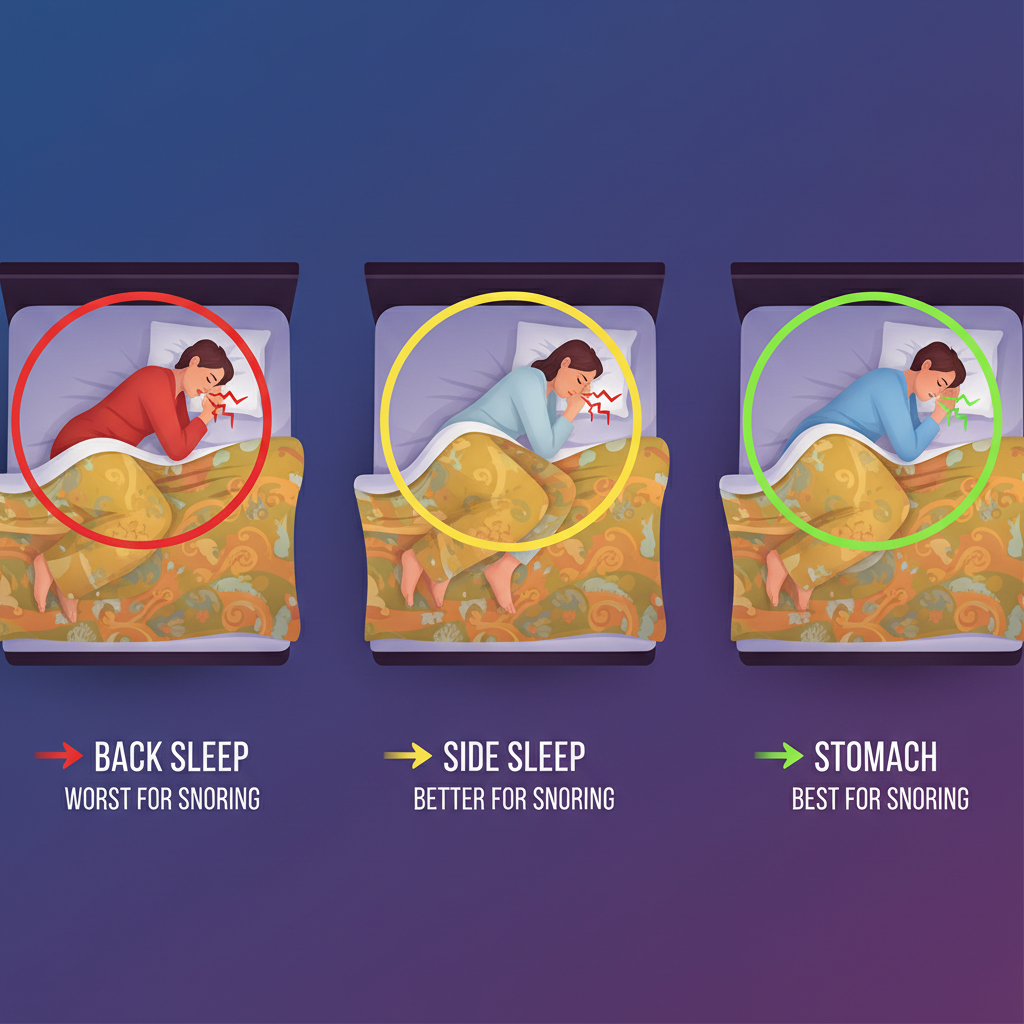
If you’re reading this at midnight, you probably want facts, not a biology lesson. The fastest way to stop a snore is often a simple change in gravity. Most people snore most loudly when they are on their backs. This position causes the tongue and soft tissues to collapse toward the back of the throat.
- The Side-Sleep Shift: Gently roll your partner onto their side. Using a body pillow can help them stay in this position throughout the night.
- Elevate the Head: Use an extra pillow to prop up their head by about four inches. This helps keep the airways open.
- Nasal Strips: These are inexpensive and work by physically lifting the sides of the nose to increase airflow.
- Hydration: Dehydration leads to stickier mucus in the nose and throat, which can increase snoring. Make sure they drink water before bed (but not so much that they wake up for bathroom breaks!).
In some cases, the environment itself is the culprit. If your bedroom air is too dry, it can irritate the membranes in the nose and throat. A humidifier might be the secret weapon you’ve been missing. Similar to how Ali Larter maintains a strict routine for her wellness, consistency in your bedroom environment can lead to better outcomes.
Lifestyle and Wellness Changes for Long-Term Relief
While quick fixes are great for tonight, long-term health and wellness require a more holistic approach. Weight is one of the most significant factors in snoring. Extra tissue around the neck can put pressure on the airway when lying down. Even a modest amount of weight loss can significantly reduce or even eliminate snoring for many people.
Alcohol and sedatives are also major contributors. These substances relax the muscles in the throat more than usual, leading to more vibration and louder snores. If your partner enjoys a nightcap, suggest they finish their drink at least three to four hours before hitting the hay. This gives the body time to process the alcohol before the deep sleep cycles begin.
When to See a Doctor: Sleep Apnea and More
Is it just a snore, or is it something more serious? Obstructive Sleep Apnea (OSA) is a health condition where breathing actually stops and starts repeatedly during sleep. If you notice your partner gasping for air or if they seem excessively tired during the day despite “sleeping” for eight hours, it’s time for a professional opinion.
According to the Mayo Clinic, chronic snoring is a leading indicator of underlying health issues like heart disease or stroke risk. A doctor might suggest a sleep study, which can now often be done in the comfort of your own home using wearable sensors.

Comparison of Common Snoring Solutions
| Solution | Best For | Effort Level |
|---|---|---|
| Side-sleeping | Positional snorers | Low |
| Nasal Strips | Congestion / Small nasal passages | Low |
| Mouth Guards | Jaw/Tongue placement issues | Medium |
| CPAP Machines | Diagnosed Sleep Apnea | High |
Gadgets and Gear: What Actually Works?
The market for sleep aids is massive, ranging from simple earplugs to high-tech anti-snore pillows that vibrate when they detect a noise. For the partner who is being woken up, high-quality silicone earplugs or noise-canceling earbuds designed for sleep can be a lifesaver. These don’t stop the snore, but they protect your sleep cycle.
White noise machines are another fantastic tool. They don’t just “mask” the sound; they provide a consistent auditory floor that makes the sudden “peaks” of a snore less jarring to your brain. It’s the difference between hearing a pin drop in a silent room versus hearing it drop in a busy coffee shop.
For the snorer, Mandibular Advancement Devices (MADs) are popular. These look like sports mouthguards and work by gently pushing the lower jaw forward, which keeps the airway open. While effective, they can take some getting used to and might cause some jaw soreness initially. If you’re interested in health tech, you might find the same excitement here as people do when looking at the latest iPhone 17 Air leaks, though these gadgets are geared toward rest rather than screens.
Frequently Asked Questions
How can I tell if my partner’s snoring is dangerous?
If the snoring is interrupted by periods of silence followed by a loud gasp or snort, it could be sleep apnea. Other red flags include morning headaches, irritability, and falling asleep during the day. If you notice these, encourage them to see a sleep specialist immediately.
Do anti-snore pillows actually work?
Anti-snore pillows are designed to align the neck and head to keep the airway as open as possible. They work best for positional snorers (those who snore mostly on their backs). They are less effective if the snoring is caused by allergies or deep-tissue issues.
Is “Sleep Divorce” a real solution?
So-called “sleep divorce”, where partners sleep in separate rooms, is becoming more popular and doesn’t mean your relationship is in trouble. Many couples find that sleeping apart allows them to be more present and loving during the day because they aren’t resentful and exhausted. It’s a wellness choice that prioritize’s both people’s mental health.
Can certain foods make snoring worse?
Heavy meals right before bed, especially those high in dairy or sugar, can increase mucus production and inflammation in the throat. This narrowed passage makes snoring more likely. It’s better to eat a lighter dinner a few hours before sleep.
Does humidity affect snoring?
Yes, absolutely. Dry air dries out the throat and nasal membranes, causing congestion and irritation. Using a humidifier, especially during winter months, can keep the tissues lubricated and reduce the vibration that causes the noise.
Tackling a snoring problem requires patience and a bit of trial and error. It’s easy to get frustrated when you’re tired, but remember that your partner isn’t doing it on purpose. Start with the low-hanging fruit like position changes and nasal strips before moving on to more intensive solutions. Sleep is a pillar of health that shouldn’t be compromised, and with the right approach, both of you can get back to those quiet, restorative nights you deserve. If the situation doesn’t improve with lifestyle changes, don’t hesitate to consult a professional at an organization like the National Sleep Foundation to ensure there isn’t a more serious issue at play.